
At A Glance
Planning your stay?
Luxury Villa Stays at Villa Almada — check availability and book direct.
Ribeira is Porto’s UNESCO-protected old town on the north bank of the Douro, a 15-minute walk from Villa Almada, and the district every first-time visitor should start with.
- UNESCO World Heritage Site since 1996, part of the Historic Centre of Oporto
- 15 to 20-minute walk downhill from Villa Almada to Cais da Ribeira waterfront
- Dom Luis I Bridge (172m, opened 1886) connects Ribeira to the Gaia port wine cellars in 2 minutes on foot
- Eat two streets uphill — back-street tascas cost €12-20 per person versus €25-45 on the waterfront
- Best visited in morning light or late afternoon; avoid midday in high summer
Ribeira is the beating heart of Porto and the district my guests ask about first. A stone’s throw from Villa Almada, it’s where the old town cascades down the hillside towards the Douro river in a tangle of narrow stone lanes, pastel-painted houses, and balconies hung with washing. The whole of the historic centre has been a UNESCO World Heritage Site since 1996, and it still feels alive with locals rather than preserved as a museum.
If you are staying with me at Villa Almada in the garden of the Canto de Luz Maison, you are genuinely a few minutes from the heart of Ribeira. This guide walks you through what to see, where I send my guests to eat, and the practical details that make the difference between a lovely afternoon and a memorable one.
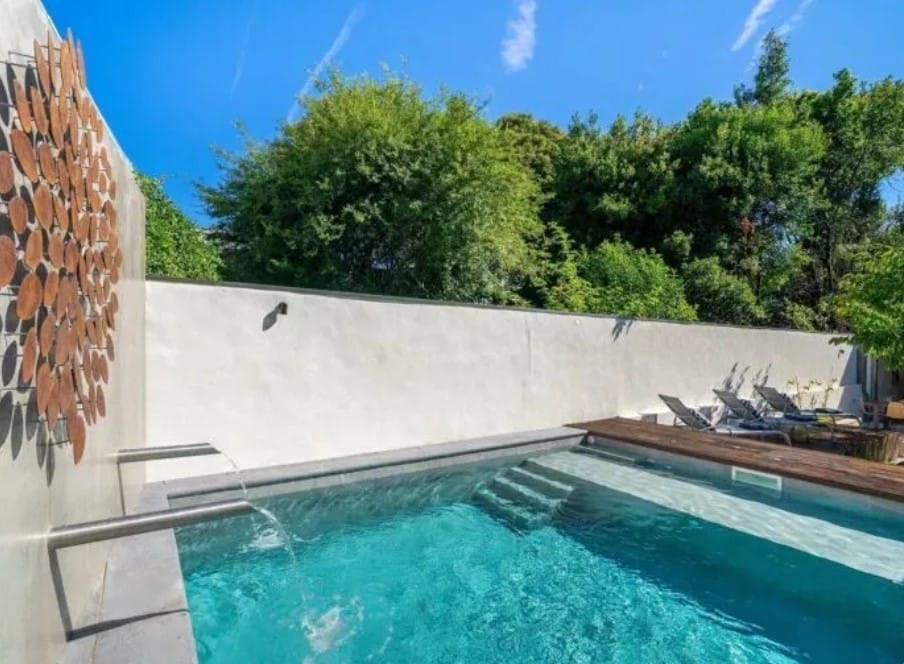
Looking for somewhere to stay? Villa Almada is my luxury family villa with a private pool in the garden of the Canto de Luz Maison. Sleeps up to 6 plus 2 infants, with daily breakfast and hotel-style service. From €269/night.
Check Availability →A Quick Introduction to Ribeira
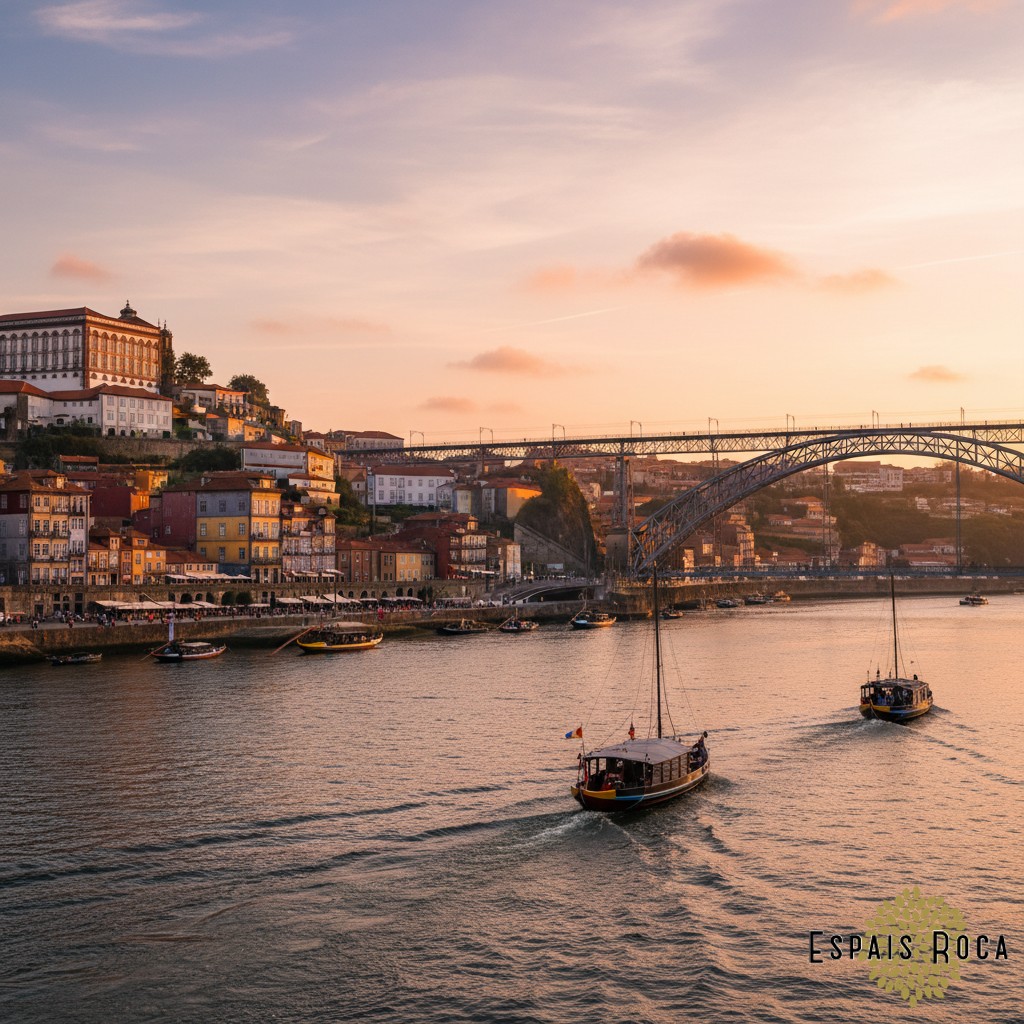
Ribeira is the oldest part of Porto and the stretch of the city that faces the Douro river, the wine barges, and the historic port wine cellars of Vila Nova de Gaia on the opposite bank. The whole area, along with the Luis I Bridge and the Monastery of Serra do Pilar across the river, has been protected by UNESCO since 1996 as part of the Historic Centre of Oporto.
What that designation actually means on the ground is that the buildings, the street layout, and the scale of the district have all been preserved. Ribeira still feels the way it has for centuries: a working district stacked up the hillside, with fishermen’s houses, small tascas, and a 14th-century arcade at the waterfront called the Cais da Ribeira.
Cais da Ribeira Waterfront
The Cais da Ribeira is the iconic riverfront quay everyone photographs. Pastel houses in ochre, cream, and blue are stacked four or five storeys up the cliff, and at street level the old arched doorways open into cafes, galleries, and restaurants. The waterside tables are in full sun most of the afternoon and in full view of the port wine lodges across the river.
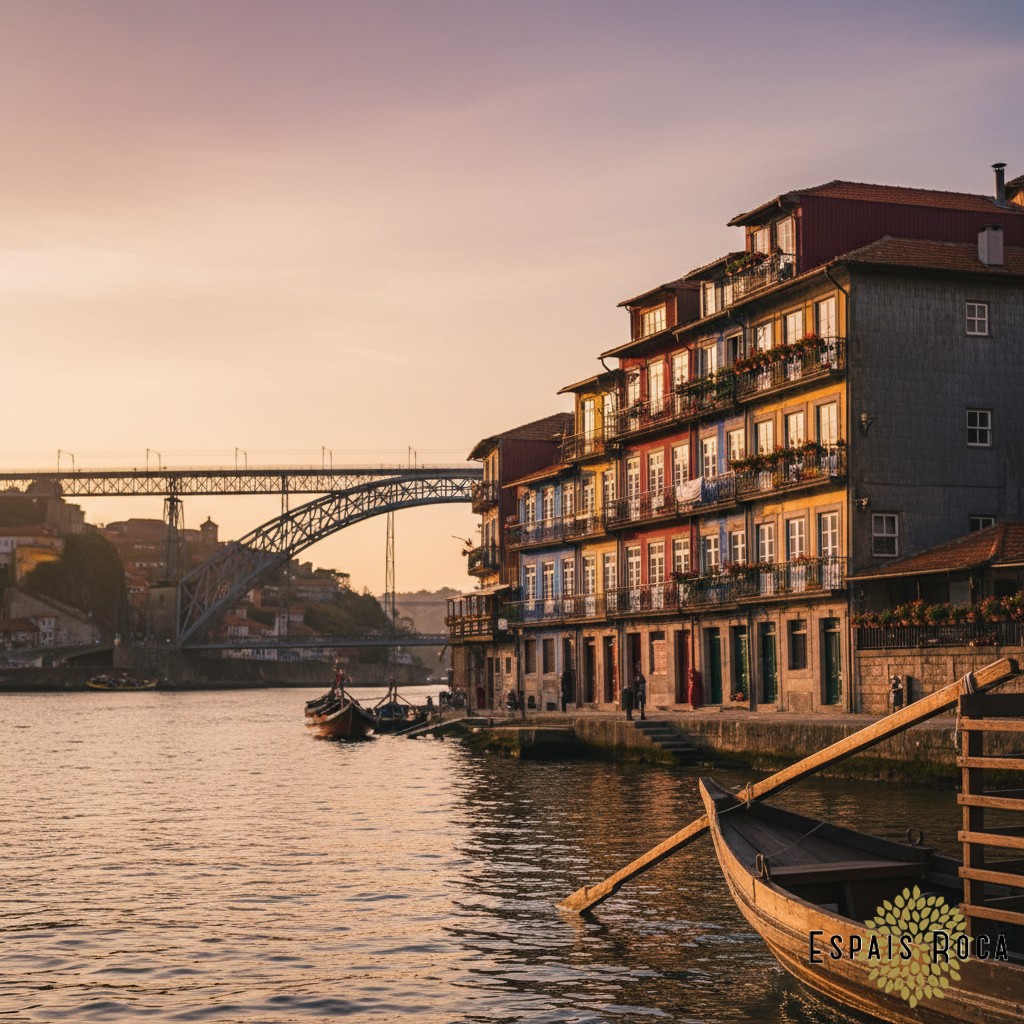
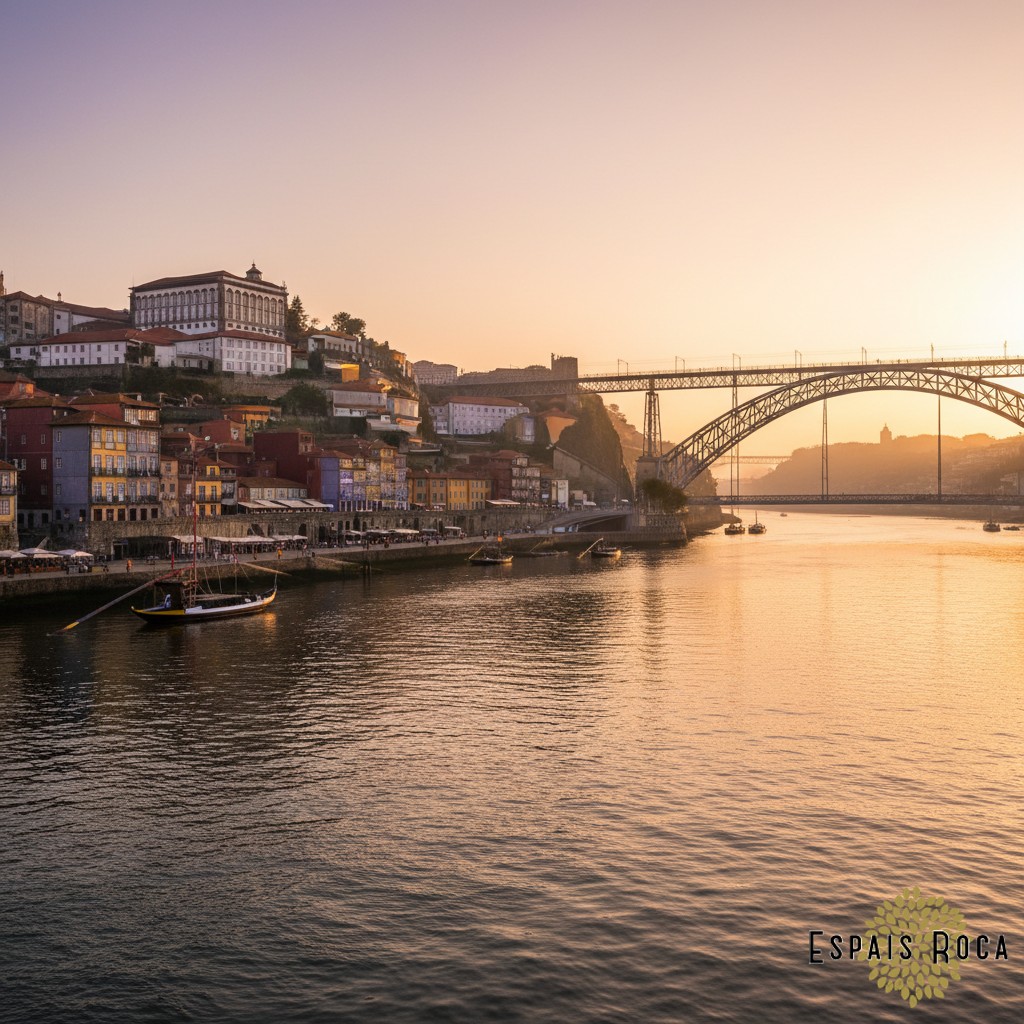
The best time to walk it is morning light or late afternoon, when the sun is on the Gaia side and the shadows soften the colours. Avoid the middle of the day in high summer if you can — it gets genuinely hot and busy.
A small tip I always pass on: the waterfront terraces charge a premium for the view. The food is fine, but the tascas two streets uphill serve the same Porto dishes at Porto prices. Walk up, eat there, then come back down for a drink on the water after.
Dom Luis I Bridge
The Dom Luis I Bridge is the most photographed structure in Porto and one of the great European engineering feats of the 19th century. It stretches 172 metres across the Douro, was designed by Théophile Seyrig (a disciple of Gustave Eiffel), and opened in 1886. When it opened it was the longest arch bridge in the world.
The bridge has two decks, both of which are open to pedestrians. The lower deck is at riverfront level and connects Ribeira directly to Cais de Gaia in two minutes. The upper deck carries the metro and gives you genuinely fabulous panoramic views of the old town, the river, and the port lodges. Walking across the upper deck at sunset is one of those things every guest I send up there comes back raving about.

A Note from Susan
“Ribeira is the first place I send every guest. Walk down from the Cathedral in the morning, order a coffee by the water, cross the Luis I Bridge to Gaia for a port tasting, and come back for dinner in one of the back-street tascas. That’s a perfect Porto day, and it’s on your doorstep from Villa Almada.”
— Susan, Founder of Espais Roca
Port Wine Cellars in Gaia
Cross the lower deck of the Luis I Bridge from Ribeira and you are in Vila Nova de Gaia, the sister city on the south bank where all the port wine cellars are clustered. It’s a five-minute walk from Cais da Ribeira to the first cellar door.
The well-known houses — Taylor’s, Graham’s, Sandeman, Ferreira, and Cálem — all run tours and tastings with English-language guides. A tour typically runs 45 minutes, costs €15 to €25 with a tasting included, and covers how port is made, the history of the trade, and why the wines mature in Gaia rather than in the Douro Valley itself. For something smaller, Quinta do Noval and Kopke both have more intimate spaces.
Book ahead in peak season. The most popular slots at Taylor’s and Graham’s sell out days in advance.
Historic Sites in Ribeira
The Casa do Infante on Rua da Alfândega is one of the oldest buildings in Porto. Built in 1325 as the customs house for the medieval port, it is now a small free municipal museum covering the history of the city. It is worth 30 minutes if you want the archaeology in context.
The Igreja de São Francisco is a five-minute walk uphill and is one of the most astonishing Baroque interiors in the country. The entire nave is covered in gilt wood carvings and looks essentially unchanged since the 18th century. The crypt below has the bones of the old families of Porto arranged in glass compartments.
The Palácio da Bolsa next door is the former stock exchange and home to the ornate Arabian Hall. Guided tours run throughout the day in English and are worth doing if you have an hour spare.
Where to Eat in Ribeira
For proper Porto food, the tascas on the streets just uphill from the waterfront are the real deal. Escondidinho do Barredo has been a local secret for more than 70 years and serves about 20 traditional dishes: papas de sarrabulho, sardines in escabeche, rissoles, octopus, fried cod steaks. Taberna dos Mercadores is another tiny restaurant with six indoor tables and two outside, known for its grilled sea bass and stuffed partridge.
Adega São Nicolau is where Porto chefs go to eat Portuguese food in their own city. Despite being in Ribeira, it has held its standards against the tourist wave. Bacalhau croquettes and polvo à lagareiro (octopus with roast potatoes) are the house dishes.
If you want fine dining, DOP won its first Michelin star in 2026. Chef Rui Paula’s contemporary take on Portuguese flavours is excellent, and the dining room faces the river. Book several weeks ahead.
For a lighter meal or a sundowner, the small cafes and bars at the back of Praça da Ribeira (the main square) are where I usually end up. Drop into the Wine Quay Bar for a glass of Vinho Verde or head up Rua das Flores for a proper coffee at Combi.

“It was perfect. Beautiful inside and out. We went away with our 7 month old and was amazing for all of us. The communication with Susan was amazing, our stay felt luxurious, from the dreamy bed and sheets, to the generous breakfast!”
— Anika Kanti, via Airbnb
Douro River Cruises from Ribeira
Half-hour and one-hour river cruises leave from the Cais da Ribeira throughout the day. The classic “Six Bridges” tour covers the six bridges of Porto in a wooden rabelo (traditional port wine boat) and is the one I recommend for a first visit. Expect to pay €15 to €20 per adult.
For something more ambitious, full-day Douro Valley cruises run from Ribeira up to Peso da Régua or Pinhão, with lunch, wine tasting, and a train back included. It’s a long but genuinely beautiful day, and my guests who have done it always say it is the best day of their trip.
From Villa Almada to Ribeira
Villa Almada sits in the garden of the Canto de Luz Maison, my boutique hotel in Porto, and you can walk to the Cathedral and Ribeira in about 15 to 20 minutes. The route runs through Porto’s old streets and passes most of the major sights on the way, so the walk itself is part of the morning. It’s downhill to Ribeira and uphill coming back, so plan accordingly in the heat.
If you prefer not to walk back up, the funicular from the Ribeira waterfront to the upper town runs every few minutes and costs a couple of euros. Taxis and Ubers are also plentiful and cheap if you’ve had a long dinner.
I always send my guests with a few tips before they head down: don’t carry a bag in an obvious way in the crowds, wear shoes that can handle cobbles, and come back for a swim in the villa pool afterwards. A morning in Ribeira, an afternoon by the pool, and dinner in one of the tascas is one of my favourite Porto days.
Practical Tips for Visiting Ribeira
Ribeira is compact and easy to walk, but the streets are steep cobbles and the waterfront gets very busy in summer. Morning and late afternoon are the best times to explore. The area is safe, but keep an eye on belongings in the crowds around the bridge and waterfront.
Wheelchair access is limited due to the cobbles and steps, but the lower level of the Luis I Bridge is step-free and the Ribeira waterfront itself is level. There are public toilets near Praça da Ribeira and inside most of the cafes.
The Ribeira metro stop (line D) is at São Bento, a short walk up from the waterfront. Buses and the funicular also run from the upper town. If you have the Andante Card, all of this is covered.
Ribeira’s UNESCO Story: What Got the Listing in 1996 and What’s Changed Since
The historic centre of Porto including Ribeira was inscribed on the UNESCO World Heritage List on 5 December 1996 under criteria iv (an outstanding example of an urban ensemble that illustrates significant stages in human history). The buffer zone covers 49 hectares from the Cathedral down to the riverside and across to Vila Nova de Gaia — the only urban core in Portugal listed alongside its Port wine cellars on the opposite bank. Almost 30 years on, the listing has shaped what can and can’t change here in ways most visitors never notice.
Pavement, signage, shop fronts, and even the colour of awnings on Cais da Ribeira need municipal heritage clearance. The granite cobbles you walk on are replaced like-for-like by a small specialist workshop in São Pedro da Cova; a single replacement square metre runs roughly 180 euros. The famous tall, narrow houses with their tiled facades survive because owners can claim heritage tax credits up to 30 percent for traditional restoration — that’s why so many were quietly redone between 2018 and 2024 ahead of the UNESCO mid-cycle review.
Two recent shifts you can see on the ground: the 2023 introduction of timed delivery windows (suppliers can only access Ribeira between 06:00 and 10:00) has made early mornings the only time you’ll see a fully empty Cais da Ribeira. And the cap on new short-term rental licences in the historic centre, in force since November 2024, has slowed but not stopped the conversion of upper-floor flats — resident numbers in the parish of Sé have stabilised around 1,400 after dropping from 4,500 in 2001.
- UNESCO mid-cycle reviews happen every 6 years — next one is 2029
- The Casa do Infante (Henry the Navigator’s birthplace, c. 1394) is the oldest surviving private building in Ribeira
- For a quieter Cais experience, arrive before 09:30 or after 22:30 in shoulder season
- The Fundação Casa da Música runs free Ribeira walking tours on the first Saturday of each month at 10:00
Frequently Asked Questions
What is Ribeira in Porto?
Ribeira is the oldest district of Porto, set on the north bank of the Douro river. It has been a UNESCO World Heritage Site since 1996 as part of the Historic Centre of Oporto, and it is where most first-time visitors spend their first afternoon.
How far is Villa Almada from Ribeira?
Villa Almada is in the garden of the Canto de Luz Maison and a pleasant 15 to 20 minute walk from the Cais da Ribeira waterfront. The route runs downhill through the old town, so the walk itself is part of the experience. Uber and taxi journeys are short and inexpensive.
What is the best time of day to visit Ribeira?
Morning light or late afternoon are the most beautiful times. Avoid the middle of the day in high summer, when the waterfront is busy and genuinely hot. Sunset from the upper deck of the Luis I Bridge is particularly special.
Where should I eat in Ribeira?
Avoid the tourist restaurants directly on the waterfront if you want value. The tascas two streets uphill — Escondidinho do Barredo, Taberna dos Mercadores, and Adega São Nicolau — serve the same traditional food at roughly half the price. For fine dining, DOP gained its first Michelin star in 2026.
Is Ribeira safe at night?
Yes, Ribeira is generally safe. It stays lively through the evening with restaurants and bars open until late. Keep an eye on belongings in busy crowds around the bridge, as with any tourist hotspot.
How do I get to the port wine cellars from Ribeira?
Cross the lower deck of the Luis I Bridge on foot. It takes about two minutes to reach Cais de Gaia, where the major houses — Taylor, Graham, Sandeman, Ferreira, Cálem — are clustered within a five-minute walk of the bridge.
Can I take a Douro river cruise from Ribeira?
Yes. The classic Six Bridges cruise leaves from the Cais da Ribeira throughout the day and lasts about 50 minutes. Full-day Douro Valley cruises also depart from Ribeira and include lunch, wine tasting, and a train journey back.
Is Ribeira wheelchair accessible?
The cobbled streets and steps make full wheelchair access difficult, but the lower level of the Luis I Bridge is step-free, the Ribeira waterfront itself is level, and most of the main cafes are accessible.
Your Private Porto Villa
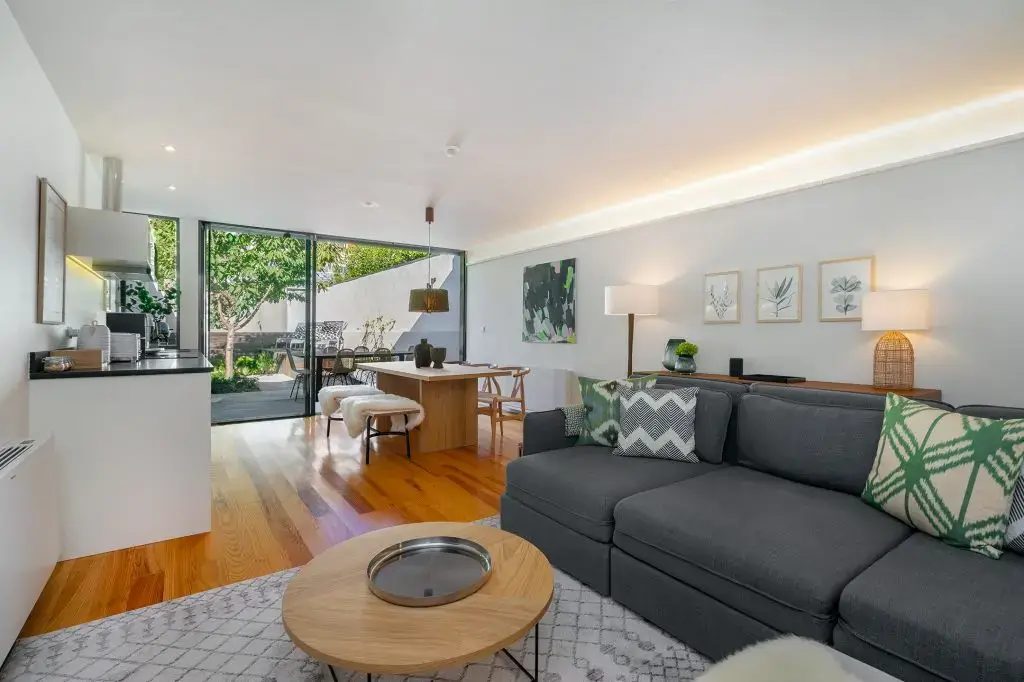
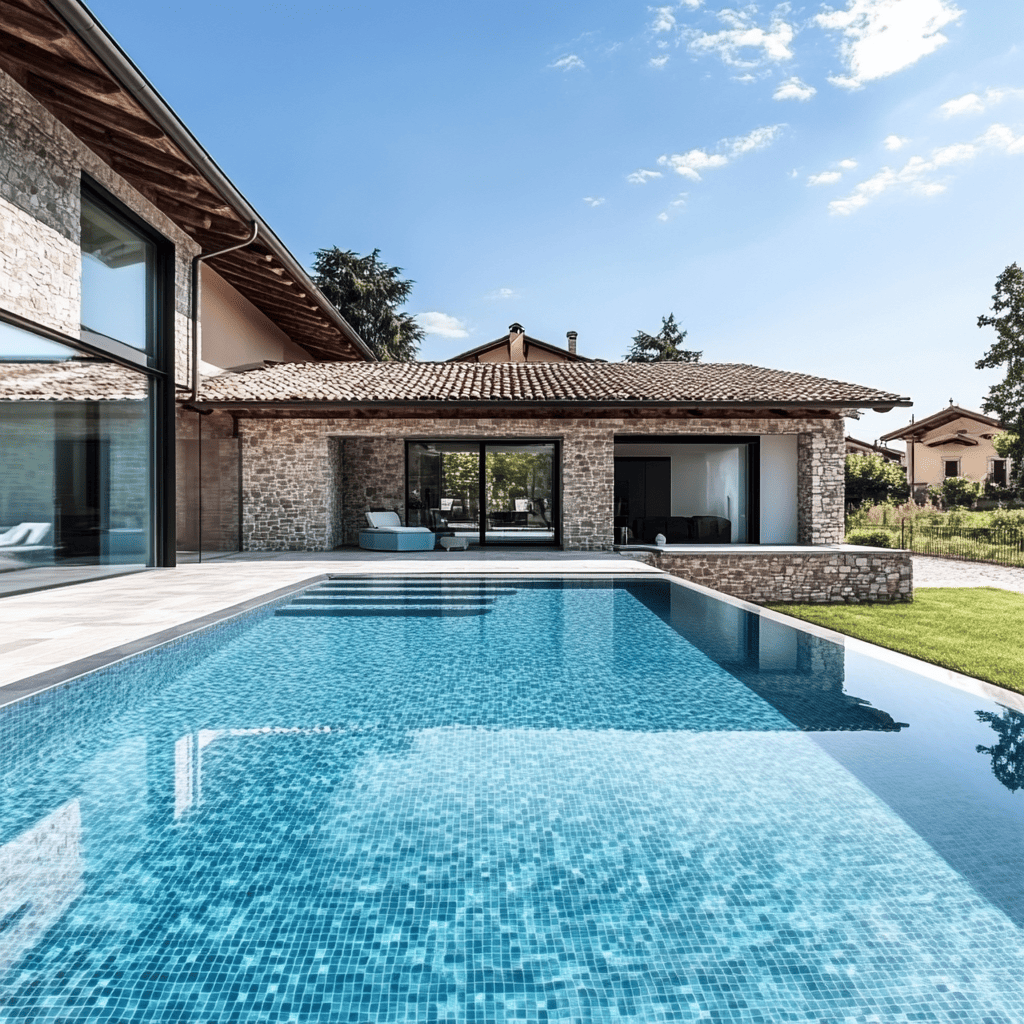
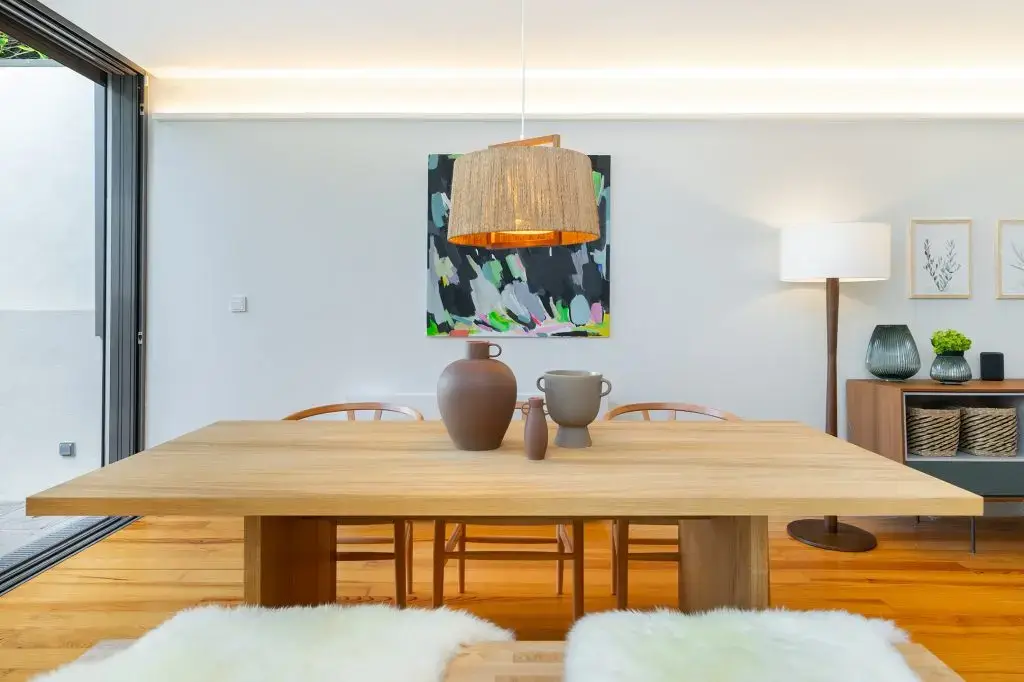
Villa Almada, a luxury family villa with private pool, in the garden of the Canto de Luz Maison.

Book Villa Almada
A luxury family villa with private pool, in the garden of the Canto de Luz Maison in Porto. Sleeps up to 6 plus 2 infants, daily breakfast, daily cleaning, and a stone’s throw from the historic centre. From €269/night.
Check Availability