
The Short Answer
Planning your stay?
Luxury Villa Stays at Villa Almada — check availability and book direct.
Yes, Porto is genuinely worth visiting, and for many travellers it beats Lisbon. You get a compact UNESCO old town, port wine cellars across the river, brilliant food at honest prices, and a city you can cross on foot. Give it three days, book a base near the centre, and start with the things to do in Porto.
Insider Tip
Skip the queue at Livraria Lello by going at opening (around 9:30am) and buying your ticket online the night before. The €8 ticket comes off the price of any book you buy, so it is close to free if you were going to pick up a souvenir anyway. The same early-morning trick works for the Ribeira riverfront, which is calm and photogenic before 10am and shoulder to shoulder by noon.
You have probably seen the postcard photos: tiled houses stacked above a river, a double-decker iron bridge, barrels of port stacked in cool stone cellars. The question is whether the real place lives up to it, or whether Porto is just a pretty backdrop for a long weekend you could spend anywhere. So, is Porto worth visiting? After plenty of time on its hills, the honest answer is yes, with a few caveats worth knowing before you go.
This is not a fluffy “everywhere is amazing” post. Porto has real downsides. The hills are punishing, the headline sights get crowded in summer, and a handful of riverside restaurants exist purely to relieve tourists of their money. We will be straight about all of it.
By the end you will know exactly who Porto suits, how it stacks up against Lisbon, how long to stay, and when to go. Then you can decide for yourself, with eyes open.
What Makes Porto Special: The Honest Case For Going
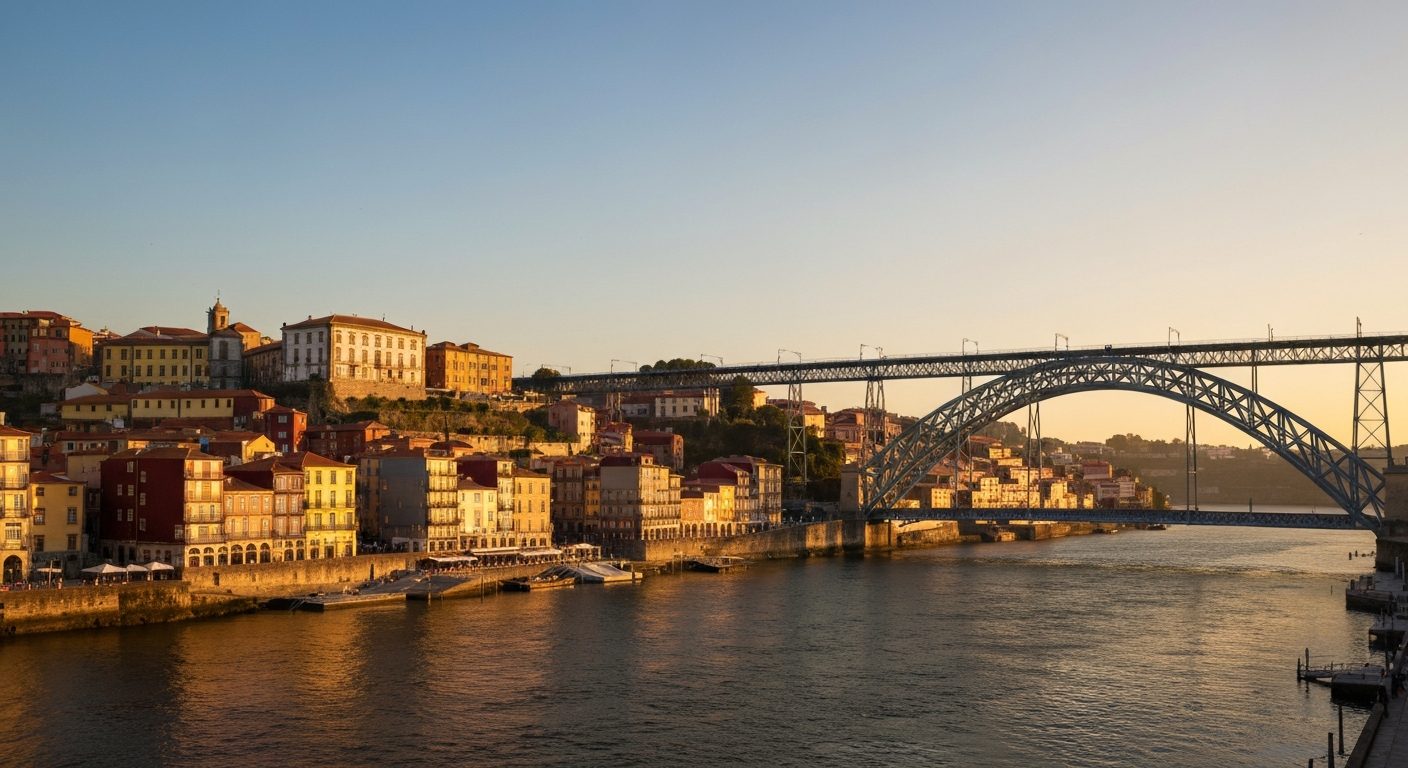
Start with the obvious. Porto’s historic centre, Ribeira, has been a UNESCO World Heritage site since 1996, and it earns the badge. You walk down through narrow lanes of tall, tile-clad houses to a riverfront that opens onto the Douro and the Dom Luís I Bridge. It is the kind of view that makes you stop mid-sentence.
Cross that bridge on the upper deck (it is free, and the views are the best in the city) and you reach Vila Nova de Gaia, where the port wine lodges line the hillside. Taylor’s, Graham’s, Sandeman and a dozen others run tours and tastings, usually €15 to €25, and most include a few glasses at the end. Even if you are not a wine person, a cellar tour is a genuinely interesting hour.
Then there is the food, which is the quiet reason people come back. Porto does honest, generous cooking. A francesinha (the city’s gloriously excessive layered sandwich under a beer-and-tomato sauce) costs under €15 at a place like Café Santiago. A full lunch at a neighbourhood tasca, wine included, often lands under €15 too. Your money simply goes further here than in most of Western Europe.
The architecture rewards aimless wandering. São Bento station’s hall is wallpapered in 20,000 blue azulejo tiles. The Clérigos Tower, the over-the-top Igreja do Carmo, and the much-photographed Livraria Lello bookshop are all within a short, if steep, walk of each other. You do not need a packed itinerary here. Half the pleasure is just strolling and looking up.
And it is small. Unlike Lisbon, which sprawls, central Porto is essentially walkable end to end. That compactness means less time on transport and more time actually in the city. When you want a fuller plan, our guide to the things to do in Porto maps out the highlights by area.
The Honest Downsides: Hills, Crowds And Tourist Traps
Now the parts the glossy guides skip. Porto is built on hills, and they are steep. The climb from the Ribeira riverfront back up to the cathedral and Clérigos area is a proper workout, often on uneven cobbles. If you have knee, hip or mobility concerns, plan your days so you are not constantly going up and down. Tuk-tuks, the funicular and Uber all help when your legs have had enough.
Crowds are the second issue. From June to September, and especially around Livraria Lello and the Ribeira, it gets genuinely packed. The bookshop limits entry and queues build fast. The riverfront restaurants fill from noon and stay full. None of this ruins the trip, but the romantic-empty-streets fantasy is a winter and early-morning thing, not a July-afternoon thing.
Tourist traps exist, mostly on the most photogenic stretch of the Ribeira. A few riverside places charge premium prices for average food because the view does the selling. The fix is easy: walk two or three streets back from the water, or up into Cedofeita and Miragaia, and quality goes up while prices come down.
Nightlife is a genuine trade-off rather than a flaw. Porto is not a party capital. There are good bars and a real music scene, but if you want a hundred bars crammed into one district and dancing until 5am, Lisbon does that better. Porto’s evenings are more about long dinners, port and a riverside drink.
Here is the trade-off laid out plainly:
| What you will love | What to be ready for |
|---|---|
| Compact, walkable UNESCO old town | Steep hills and uneven cobbles |
| Excellent food and wine at low prices | Crowds at top sights in summer |
| Port cellars a short walk across the river | A few overpriced riverside traps |
| Feels safe, easy to navigate | Quieter nightlife than Lisbon |
| Mild for much of the year | Wet, moody winters (Dec to Feb) |
What Is Porto Famous For? The Things You Actually Came To See
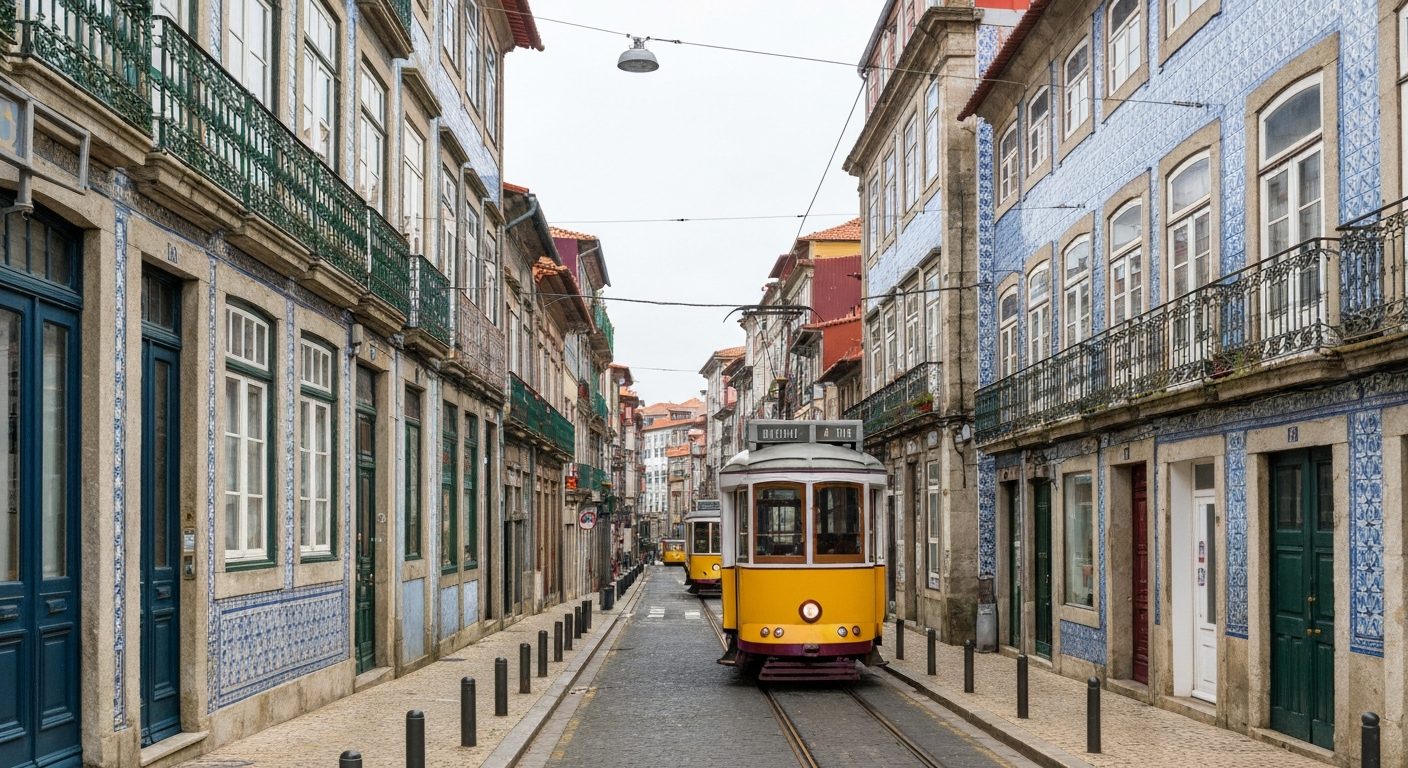
If someone asks what Porto is famous for, the honest one-word answer is port. The fortified wine takes its name from the city, and it has been aged in the Gaia lodges and shipped down the Douro for centuries. Tasting it where it is made, looking across at the old town, is the single most “Porto” thing you can do.
Beyond the wine, Porto is known for a handful of signatures worth knowing before you arrive:
- Azulejos: the blue-and-white painted tiles covering churches, stations and ordinary houses across the city.
- The Dom Luís I Bridge: Gustave Eiffel’s workshop had a hand in the area’s ironwork, and the double-deck bridge is the city’s icon.
- The francesinha: Porto’s outrageous meat-and-cheese sandwich, drowned in a spiced beer sauce. Order one, share it, regret nothing.
- Livraria Lello: a wildly ornate 1906 bookshop, often linked to Harry Potter folklore (the author lived in Porto for a time).
- The Douro Valley: the terraced wine region upriver, one of the most scenic landscapes in Europe.
That last one matters. Porto is the gateway to the Douro, and a day trip up the valley is one of the best things you can do from the city. The scenery of terraced vineyards above a winding river is the kind of view that justifies the whole trip on its own. Our guide on getting there, the Douro Valley day trip, covers train, boat and driving options.
So when people say Porto “punches above its weight,” this is what they mean. A small city carrying world-famous wine, landmark architecture and a wine region on its doorstep is a lot of pull for somewhere you can walk across in twenty minutes.
Is Porto Or Lisbon Better? An Honest Comparison
This is the question every first-time Portugal visitor wrestles with, and the honest answer is that it depends on what you want. Both are excellent. But they are not the same kind of trip.
Porto is smaller, more compact and easier to “do” in a few days. It feels more concentrated, more old-world, and noticeably better value for both food and stays. It also feels reassuringly safe at night. Lisbon is bigger, sunnier, more spread out, and far stronger on nightlife and on famous day trips like Sintra and Cascais.
If you are a foodie travelling on a sensible budget who wants to walk everywhere and not feel rushed, Porto edges it. If you want beaches a short hop away, a buzzing bar scene and palaces nearby, Lisbon edges it. Here is the quick side by side:
| Factor | Porto | Lisbon |
|---|---|---|
| Size and feel | Small, compact, walkable | Larger, more spread out |
| Value for money | Better, cheaper food and stays | Good, but pricier |
| Nightlife | Quieter, dinner and wine | Famous bar scene (Bairro Alto) |
| Day trips | Douro Valley, Guimarães, Aveiro | Sintra, Cascais, Évora |
| Beaches | Nearby, reachable by metro | Cascais coast, easy access |
| Best for | Food, wine, slow walking | Nightlife, sun, big sights |
The good news is that you do not strictly have to choose. The two cities are about three hours apart by fast train, so plenty of people split a week between them. If you only have time for one and you lean toward food, value and a gentler pace, Porto is the safer bet. Either way, picking the right neighbourhood matters, so it is worth reading where to stay in Porto before you book.
How Long Should You Stay In Porto?
For most people, three full days is the sweet spot. That gives you one day for the old town and viewpoints, one for the Gaia port lodges and the riverside, and one for a Douro Valley day trip or a beach afternoon. You finish feeling like you saw Porto rather than sprinting through it.
If you are tight on time, two full days will cover the headline sights because the city is so compact. You can walk the Ribeira, climb a tower, cross the bridge, taste port and eat well in 48 hours. It will feel a little brisk, but it works.
Got four or five days? Even better. Porto rewards a slower pace, and the extra time lets you add a Douro day, a beach day, and a half-day in a nearby town like Guimarães or Aveiro without it feeling like a checklist. Families in particular benefit from the slower rhythm, with a home base to return to between outings.
Here is a simple way to think about it by trip type:
- City break (2 days): old town, Gaia port lodges, one great dinner.
- Classic trip (3 days): add the Douro Valley or a beach afternoon.
- Relaxed week (4 to 5 days): add a day trip to Guimarães or Aveiro and plenty of slow café time.
- Family stay (5 to 7 days): base yourself near the centre, mix sightseeing with pool and beach downtime.
Is Porto Near The Beach? Yes, Closer Than You Think
One honest correction to a common myth: people say Porto has no beaches, but it does. The city sits right where the Douro meets the Atlantic, and you can reach sand on the city’s own metro and tram lines in under half an hour.
The nearest options are the Foz do Douro and Matosinhos beaches, both easy to reach without a car. Matosinhos has the wider, sandier stretch and is famous for grilled fish lunches right by the water. Head a little further up or down the coast and you find quieter sands and good surf.
The catch is the water. This is the Atlantic in northern Portugal, so it is bracing rather than Mediterranean-warm, even in August. It is brilliant for a walk, a surf lesson or a long lunch with your feet in the sand, less so for lazy all-day swimming. If beach time is a priority, our roundup of the beaches near Porto ranks the best ones by vibe and how to get there.
Is Porto Expensive? Realistic Costs In 2026

Compared with most of Western Europe, Porto is good value, and that is a big part of why it is worth visiting. Eating and drinking well here costs far less than in London, Paris or even Lisbon for comparable quality.
A simple sit-down lunch with a glass of wine often comes in under €15. A francesinha and a beer is similar. A port tasting tour runs roughly €15 to €25. Public transport is cheap, and most of the old town is free to walk and enjoy. Coffee and a pastel de nata is small change.
Where costs climb is summer accommodation. In July and August, central hotels and apartments fill up and prices jump. This is exactly where a self-catering villa earns its keep for families and groups, because you split one nightly rate across more people and save again by cooking some meals. If a private pool and central location appeal, see our note on choosing a stay with a pool.
Stay In The Heart Of Porto, With Your Own Pool
Villa Almada is a luxury family villa with a private pool on Rua do Almada in central Porto, sleeping 7 plus 2 infants. Book direct with no booking fees and keep more for port and pastéis.
Check Dates & Book DirectFrequently Asked Questions
Is Porto worth visiting?
How many days do you need in Porto?
Is Porto expensive?
Is Porto safe?
Is Porto or Lisbon better?
What is Porto famous for?
Is Porto near the beach?
What is the best time to visit Porto?
Is Porto worth visiting in winter?
The Verdict: Yes, And Here Is When To Go
So, is Porto worth visiting? Clearly, yes. It gives you a genuine sense of place, world-famous wine made right in front of you, food that overdelivers for the money, and a city small enough to feel like you got to know it in a few days.
It suits foodies, couples, families and anyone who would rather wander and linger than tick off a hundred attractions. It suits travellers who like good value and do not need wild nightlife. It is less ideal if hills are a real problem for you, or if a buzzing bar scene is the whole point of your trip.
Our advice: give it three days, go in late spring or early autumn if you can, base yourself near the centre, and walk early before the crowds arrive. Do that and Porto will almost certainly end up on your list of cities you want to return to. When you are ready, lock in your dates and book direct to skip the platform fees.