
The Short Answer
Planning your stay?
Luxury Villa Stays at Villa Almada — check availability and book direct.
Porto has a mild, Atlantic climate with warm dry summers (highs around 25C in July and August) and cool, properly wet winters (highs near 14C, with November to February soaking the city). For the best mix of sunshine and small crowds, come in late May, June, or September. If you want guaranteed beach and pool weather, July and August are your window. For more on timing your trip, see our best time to visit Porto guide.
Insider Tip
Porto sits on the Atlantic, not the Mediterranean, so even in a hot July it can turn breezy and 5C cooler the moment a sea fog rolls in off the coast. Pack a light jacket or wrap whatever month you visit. Evenings by the river are almost always cooler than the afternoon sun suggests.
Porto weather is one of those things travellers get wrong before they arrive. People picture the dry, sun-baked Algarve and assume the whole of Portugal is the same. Porto is a different animal. It sits in the green, hilly north, right on the Atlantic, and that ocean shapes everything: the mild summers, the soft light, and the rain that gives the Douro Valley its vineyards.
The short version is that Porto is wetter and a few degrees cooler than southern Portugal, but it is rarely extreme. Summers are warm rather than scorching, winters are damp rather than freezing, and spring and autumn are genuinely lovely if you time them right.
This guide walks you through Porto month by month, with realistic temperatures, rainfall, crowd levels and what to pack. Then we match the right month to the kind of trip you want, whether that is beach days, sightseeing, wine, fewer crowds or a cheaper bill.
Porto’s Climate in a Nutshell: Mild, Atlantic and Wetter Than the South
July (highs ~25C, lows ~15C)

Porto has what climate maps call a warm-summer Mediterranean climate, but with a strong Atlantic influence. In plain terms, that means moderate temperatures all year and a clear wet season from autumn through early spring.
Daytime highs swing from around 14C in the depths of winter to about 25C at the peak of summer. Overnight lows run from roughly 6C in January to around 15C in August. You will almost never see snow in the city, and genuine heatwaves above 35C are rare and short-lived.
The rain is the part people underestimate. Porto gets well over 1,200mm of rain a year, more than London. The wettest stretch runs from November through February, when the city can see 15 to 17 rainy days a month. The driest months by a wide margin are July and August, when rain almost disappears.
The Atlantic also keeps the sea cool. Even in late summer the ocean only reaches about 18C, which is bracing rather than tropical. Locals swim it happily, but it never feels like the warm Mediterranean. The beaches around the city are wonderful in summer regardless, and you can read our full round-up of the beaches near Porto if sand and surf are on your list.
One more thing worth knowing: Porto’s light changes fast. A grey, drizzly morning often burns off into a bright afternoon, and a hot day can cool quickly when the sea breeze picks up. Flexible layers beat heavy planning here.
Planning your Porto dates already?
Check AvailabilityPorto Weather by Month: The Full Table
Here is the year at a glance. Temperatures are typical daytime highs and overnight lows in Celsius, rain is the general pattern, and crowds reflect how busy the city and its attractions feel.
| Month | Avg high (C) | Avg low (C) | Rain | Crowds |
|---|---|---|---|---|
| January | 14 | 6 | Very wet (16-17 rainy days) | Very low |
| February | 15 | 6 | Very wet (15-16 rainy days) | Low |
| March | 17 | 8 | Wet, easing (14-15 days) | Low to moderate |
| April | 18 | 9 | Showery (13-14 days) | Moderate (Easter spike) |
| May | 20 | 12 | Occasional showers (12-13 days) | Moderate |
| June | 23 | 14 | Mostly dry (8-9 days) | Busy (São João) |
| July | 25 | 15 | Very dry (5-6 days) | Peak |
| August | 25 | 15 | Driest of the year (4-5 days) | Peak |
| September | 24 | 14 | Mostly dry, late showers (8 days) | Busy, easing |
| October | 21 | 12 | Rain returns (13-14 days) | Moderate |
| November | 17 | 9 | Very wet (15 days) | Low |
| December | 14 | 7 | Wettest month (15 days) | Low (festive bump) |
Treat these as reliable averages, not promises. A wet October can still hand you a run of golden afternoons, and a warm June can deliver one grey, drizzly day in the middle. The pattern holds, but Porto loves to surprise you.
Month-by-Month Breakdown: January to June
January (highs ~14C, lows ~6C)
January is cool and properly wet, with highs around 14C and a lot of grey, rainy days. It is the quietest month of the year, so you get the city almost to yourself and the lowest prices. Pack a waterproof coat, an umbrella and warm layers. What is on: the post-Christmas calm, cosy port lodges in Gaia, and long lazy lunches indoors.
February (highs ~15C, lows ~6C)
February feels much like January, mild but damp, with the first faint hints of spring near the end. Crowds stay low and the light starts to lengthen. Pack waterproofs and a warm jumper. What is on: Carnival celebrations in some years, and a city still in its quiet, local rhythm.
March (highs ~17C, lows ~8C)
March is the turning point. The rain starts to ease, the parks green up, and you can get genuinely pleasant afternoons in the high teens. Mornings and evenings still need a jacket. Pack layers and a light rain shell. What is on: early spring blooms, longer days, and the start of the shoulder season.
April (highs ~18C, lows ~9C)
April is fresh and green, with warming days punctuated by passing showers. It is one of the prettiest months to walk the city and the riverside. Easter can bring a short crowd spike and processions. Pack a light jacket, comfortable shoes and an umbrella you can fold away. What is on: Easter celebrations and spring colour across the gardens.
May (highs ~20C, lows ~12C)
May is one of the best all-round months. Warm but not hot, mostly dry, with long bright days and the crowds still manageable. This is prime time for sightseeing and the first warm enough evenings to sit out late. Pack lighter layers and sunscreen. What is on: outdoor cafe season in full swing and easy access to the things to do in Porto without summer queues.
June (highs ~23C, lows ~14C)
June is summer arriving with the volume turned up. Warm, mostly dry, long evenings, and the city at its most alive. The headline event is the São João festival on the night of 23 June, an all-night street party with grilled sardines, fireworks and squeaky plastic hammers. Book early if you want to be here for it. Pack summer clothes plus one warm layer for late nights. What is on: São João, beach season starting, and the year’s best balance of heat and energy.
Month-by-Month Breakdown: July to December
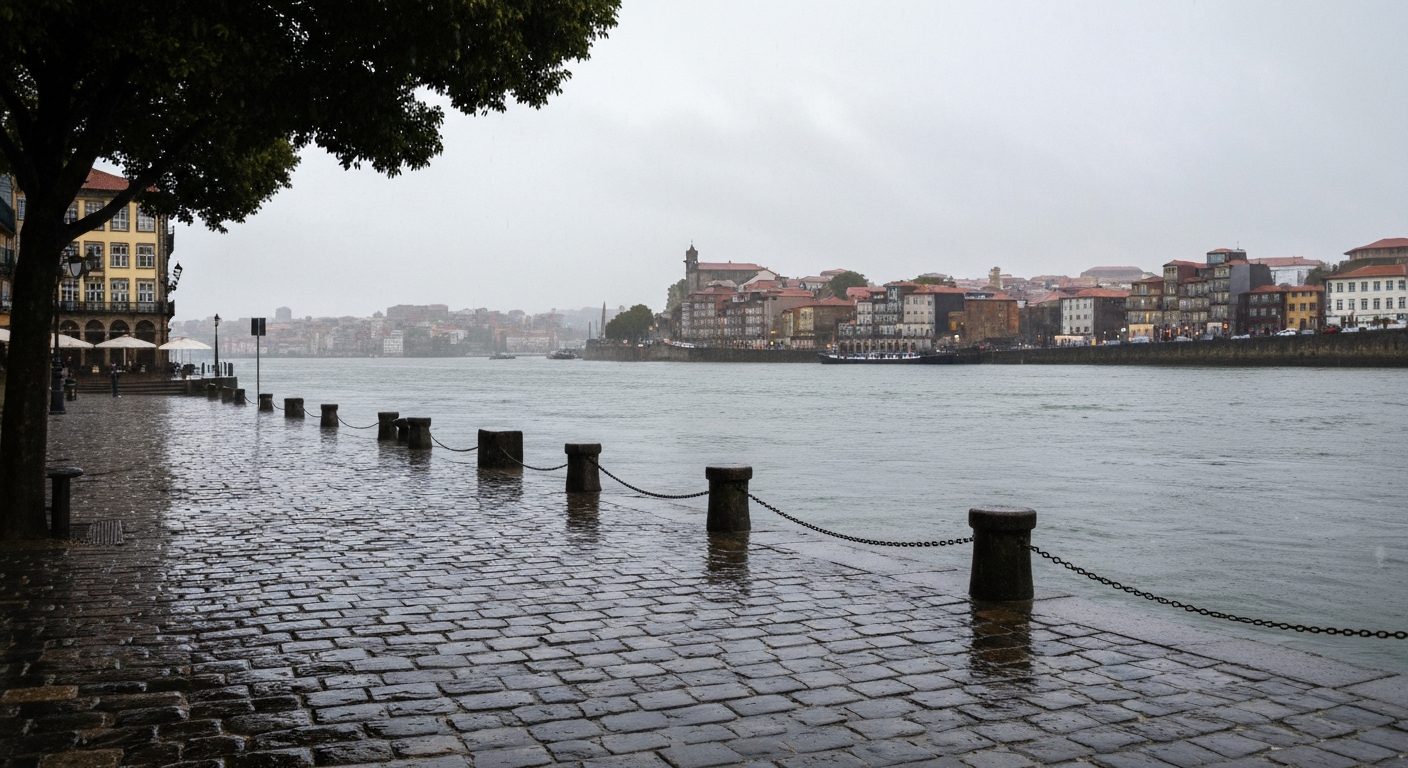
July is peak summer: warm, dry and busy. Highs sit around 25C, rain is rare, and the beaches and terraces fill up. It is the classic family holiday window, when a private pool earns its keep on the hottest afternoons. If you are travelling with kids, consider booking somewhere to stay somewhere with a pool so you have a cool-off close to home. Pack light clothes, swimwear, sunscreen and a hat. What is on: summer festival season and long beach days.
August (highs ~25C, lows ~15C)
August is the driest month of the year and the busiest. Expect warm, settled weather and the city at full tilt with both tourists and Portuguese holidaymakers. Restaurants need booking and the popular sights get crowded by midday. Pack the same kit as July. What is on: peak beach and pool season, plus a steady run of summer events.
September (highs ~24C, lows ~14C)
September is a quiet favourite. The heat holds, the sea is at its warmest of the year, and the August crowds thin out as the month goes on. Late showers can appear but rarely spoil a trip. This is grape harvest time in the Douro, making it superb for wine. Pack summer clothes with a light layer for the cooler evenings. What is on: the Douro harvest and warm, calmer days.
October (highs ~21C, lows ~12C)
October is mild and changeable. Early in the month you can still catch warm, bright days, but the Atlantic rain returns as it goes on. The autumn light is beautiful and the city feels relaxed again. Pack layers, a rain jacket and an umbrella. What is on: autumn colour, lower prices and the last of the harvest in the valley.
November (highs ~17C, lows ~9C)
November is firmly back into the wet season. Cool, grey and rainy days are common, though there are still bright spells between fronts. Crowds are thin and prices drop. Pack proper waterproofs and warm layers. What is on: cosy indoor Porto, port tastings and quiet museums.
December (highs ~14C, lows ~7C)
December is the wettest month of the year, cool and damp, but it has real charm in the run-up to Christmas. Festive lights, markets and roasted chestnuts on street corners give the city a warm glow despite the weather. Pack a waterproof coat, warm layers and a scarf. What is on: Christmas markets, festive lights and New Year celebrations.
Best Time to Visit Porto by Trip Type
The right month depends entirely on what you want from the trip. Here is how the year breaks down by priority.
- Beach and pool days: July and August are the safe bet for hot, dry weather, with late June and early September close behind and quieter.
- Sightseeing and walking: May, June and September give you warmth, long days and manageable crowds, ideal for exploring on foot without overheating.
- Wine and the Douro: September and early October land in harvest season, the most atmospheric time for the valley and the port lodges.
- Fewer crowds: March, April, October and November give you the city at a calm, local pace, with the trade-off of more changeable weather.
- Best value and budget: November through February bring the lowest prices on stays and flights, if you do not mind packing for rain.
If you want our single recommendation, late May, June and September are the sweet spots. You get reliable warmth, low rain odds, long evenings, and you sidestep the worst of the August crush and prices.
What to Pack for Porto, Whatever the Month
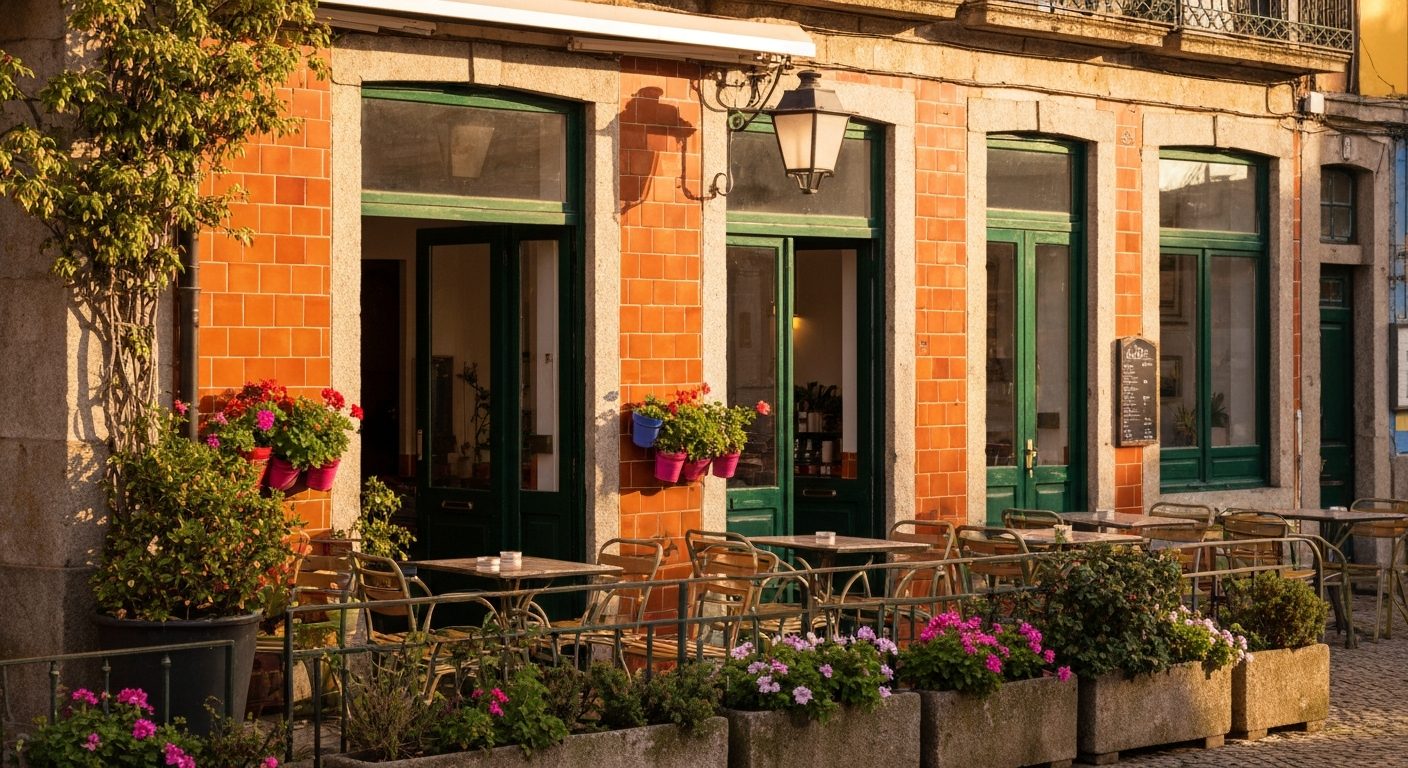
Porto rewards travellers who pack for layers and for rain. Even in high summer, the Atlantic can drop the temperature quickly, and in winter you will want to stay genuinely dry rather than just warm.
- Year-round: comfortable walking shoes with grip (Porto’s streets are steep, cobbled and slippery when wet) and a light layer for cooler evenings.
- Summer (June to September): light clothes, swimwear, sunscreen, a hat and one warm layer for breezy nights by the river.
- Shoulder season (March to May, October): mix-and-match layers, a packable rain jacket and a compact umbrella.
- Winter (November to February): a proper waterproof coat, warm jumpers, a scarf and shoes that handle wet cobbles.
The single most useful item in any season is a fold-away rain shell. Porto’s showers tend to pass quickly, so you rarely lose a whole day, but you want to be ready when one rolls in off the coast.
The Verdict: When Should You Come to Porto?
If you want the most dependable weather with fewer people and lower prices than peak summer, aim for late May, June or September. These months give you warm days, low rain odds and long, soft evenings, which is Porto at its most enjoyable.
If your trip is built around the beach, the pool and guaranteed heat, choose July or August and accept the crowds and the higher prices as part of the deal. A private pool makes a real difference on those hot afternoons.
If you are chasing value, atmosphere or wine, the shoulder months and even winter have a lot to offer, as long as you pack for rain and lean into the cosy, local side of the city. There is no truly bad time to visit Porto, only different versions of a good one.
Found Your Perfect Porto Month?
Villa Almada is a luxury family villa with a private pool in central Porto, on Rua do Almada, sleeping 7 plus 2 infants. Book direct with no booking fees and pick the dates that suit your weather.
Check Dates & Book Direct