
At A Glance
Planning your stay?
Luxury Villa Stays at Villa Almada — check availability and book direct.
Porto’s traditional foods centre on francesinha, bacalhau (salt cod), polvo à lagareiro (roast octopus), and Porto’s own dish, tripas à moda do Porto.
- Francesinha — Porto’s layered sandwich with beer-based sauce
- Bacalhau — salt cod, cooked in 365+ traditional ways
- Polvo à lagareiro — whole roasted octopus with potatoes
- Tripas à moda do Porto — the dish that gave Porto natives their nickname ‘tripeiros’
- Pastéis de nata — Portuguese custard tarts
Porto’s food scene is rooted in 500 years of salt-cod trade, port wine, and coastal Atlantic cooking. Portuguese cuisine in general is one of Europe’s most underrated, and Porto specifically has its own regional dishes you won’t find anywhere else — most famously the francesinha.
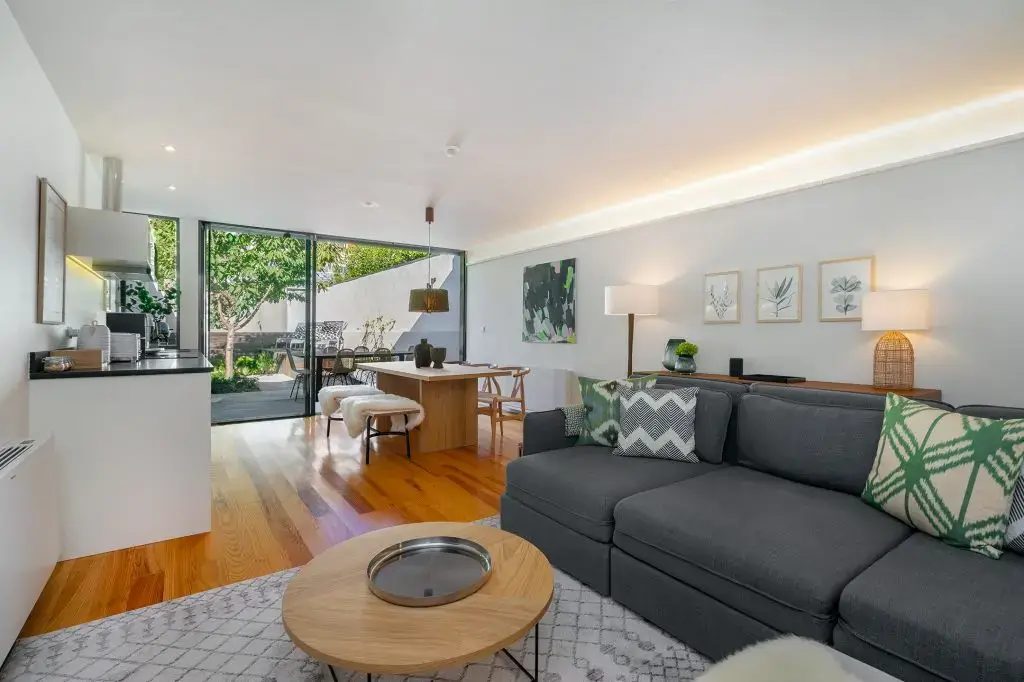
Villa Almada has a fully equipped kitchen, so you can cook with ingredients from Mercado do Bolhão or enjoy a lazy breakfast on the terrace. This guide covers the essential Porto dishes, where to try them, and what to cook at the villa.
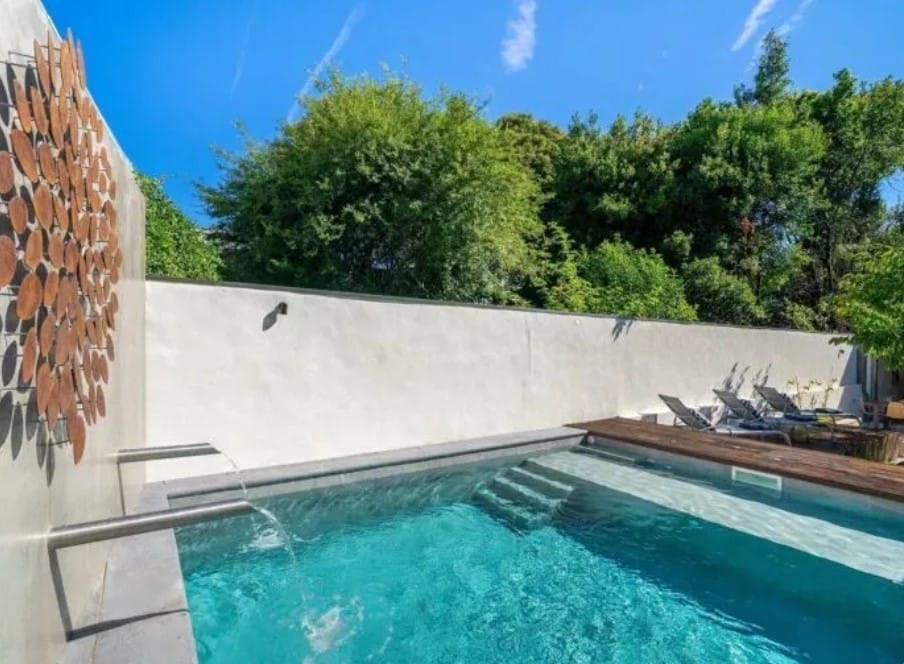
Looking for somewhere to stay? Villa Almada is my luxury family villa with a private pool in the garden of the Canto de Luz Maison. Sleeps up to 6 plus 2 infants, with daily breakfast and hotel-style service. From €269/night.
Check Availability →Francesinha — Porto’s Signature Sandwich
The francesinha is the dish every visitor to Porto must try. It’s a layered sandwich of cured ham, linguiça sausage, steak, and melted cheese, topped with a fried egg and drenched in a beer-and-tomato sauce. Served with chips, it’s substantial — plan to share or skip dinner afterwards.
Best places: Café Santiago (classic, 3 locations), Bufete Fase (a local favourite), or Lado B for a modern take. Expect €10-15 per francesinha.
Bacalhau — Salt Cod
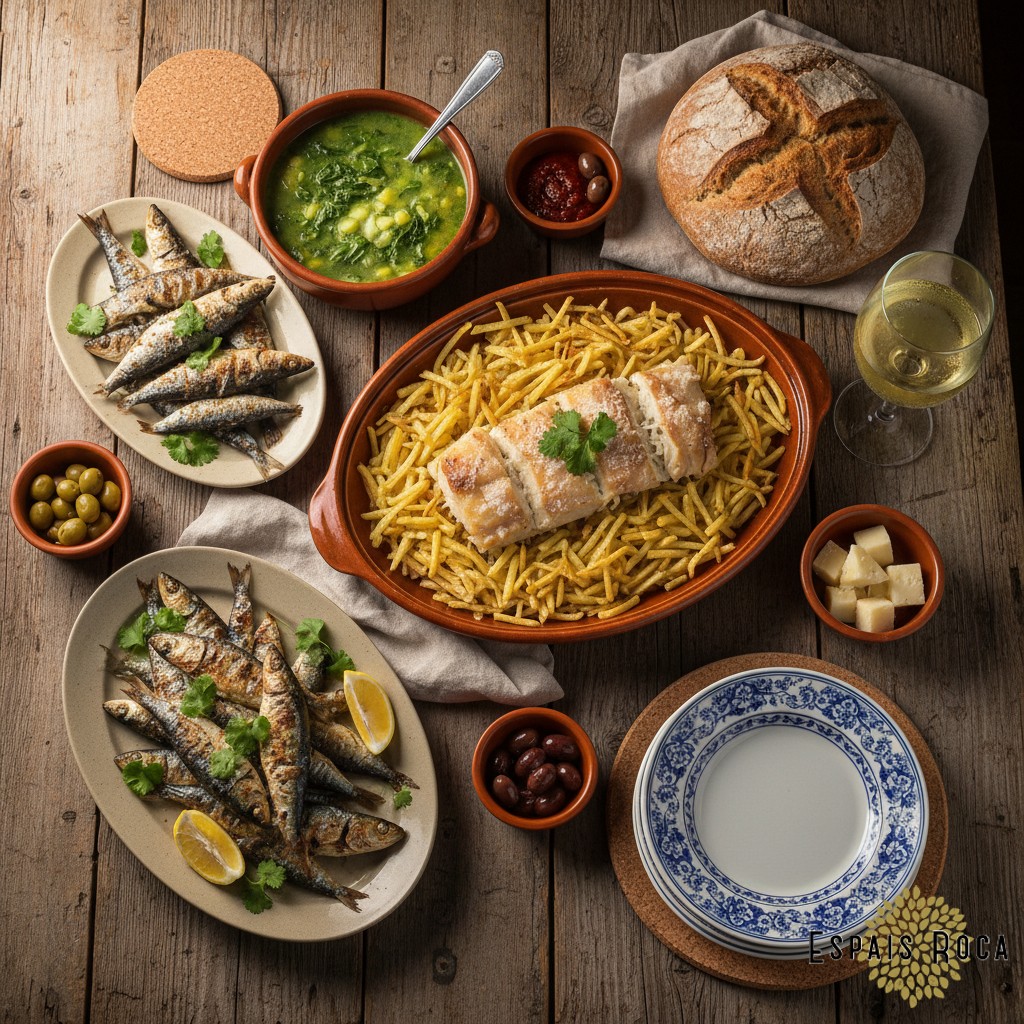
Portugal is the world’s largest consumer of salt cod, and there is a saying that Portuguese cuisine has 365+ ways to cook bacalhau — one for every day of the year. The most iconic preparations are bacalhau à Brás (shredded cod with fried potatoes and egg), bacalhau com natas (cod in cream), and bacalhau à Gomes de Sá (cod with potatoes, onions, and olives).
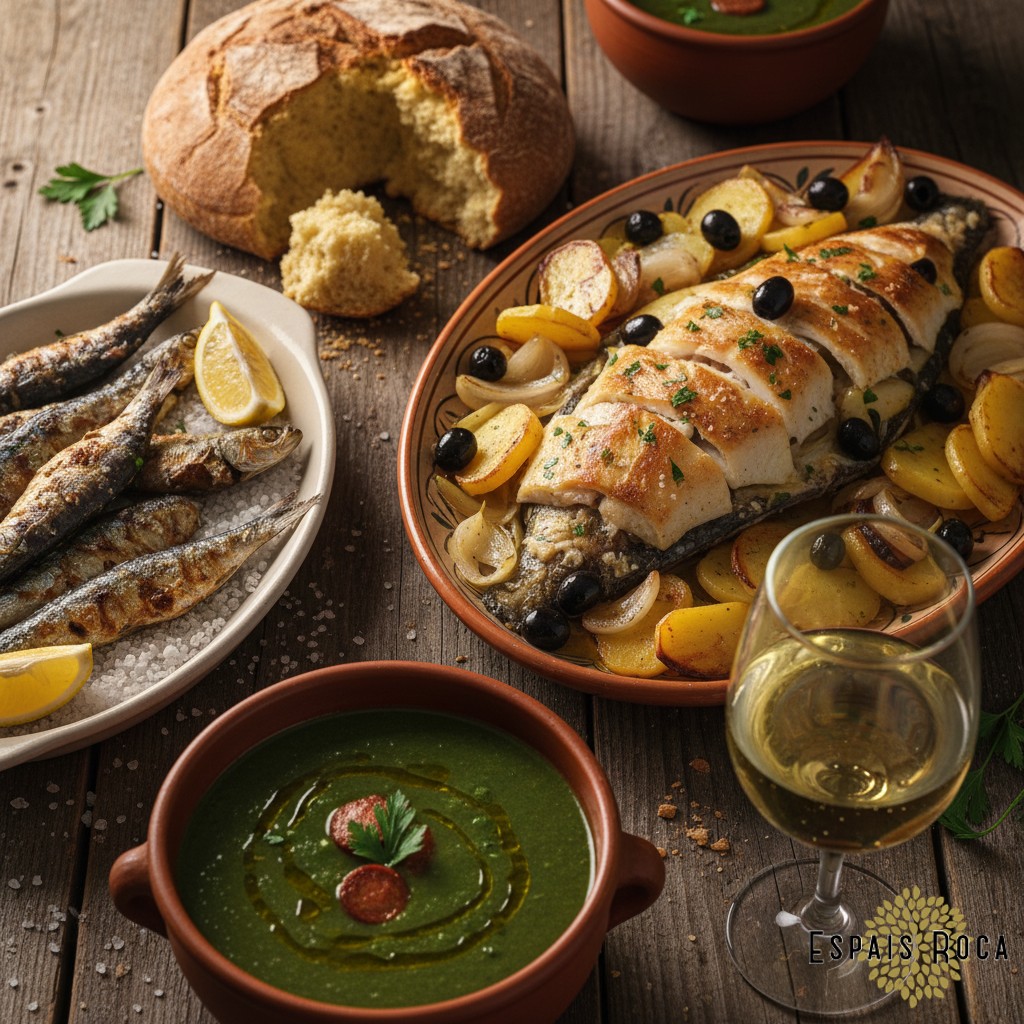
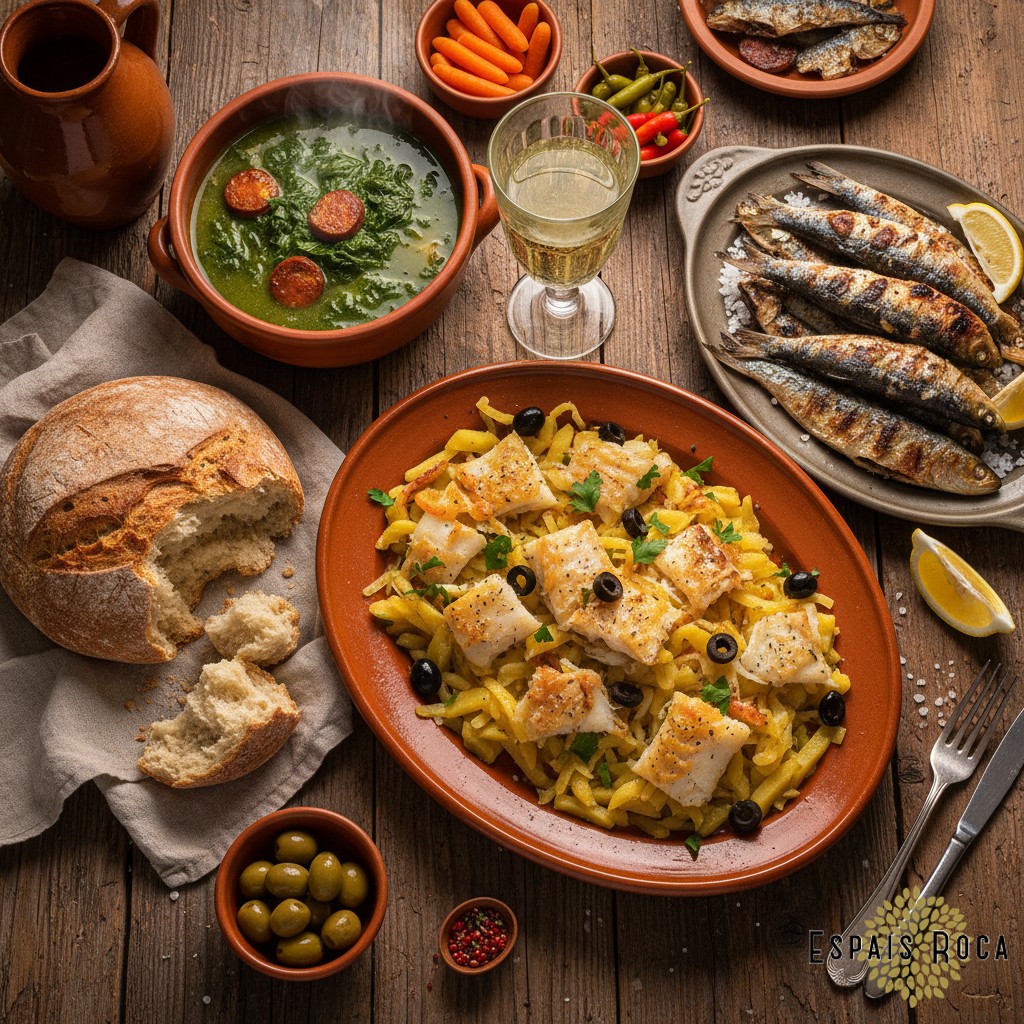
Try it at Adega São Nicolau in Ribeira, or take home frozen bacalhau from Mercado do Bolhão to cook at Villa Almada.
Polvo à Lagareiro — Octopus
Octopus is a staple of Porto’s Atlantic coast cooking. Polvo à lagareiro is whole octopus boiled until tender, then roasted with olive oil, garlic, and potatoes. Tender, smoky, and deeply Portuguese.
Tasca da Badalhoca in Porto, or Marisqueira A Antiga at Matosinhos beach (where the fresh seafood lands), are both excellent.

A Note from Susan
“The food in Porto is a revelation for most of my guests. Even those who think they know Portuguese food from Lisbon find Porto’s dishes have their own character. My tip: don’t eat on the Cais da Ribeira waterfront — two streets uphill the same dishes are half the price and better.”
— Susan, Founder of Espais Roca
Tripas à Moda do Porto
The dish that gave Porto natives their nickname: tripeiros (tripe-eaters). A stew of tripe, white beans, carrots, and cured meats, traditionally eaten on Sunday lunch. Not for everyone, but deeply Porto.
Casa Aleixo has made the dish for generations. Try a smaller portion first — it’s rich.
Pastel de Nata
Portugal’s famous custard tart. Originally from Lisbon (the Pastéis de Belém) but now nationwide. In Porto, the best are at Manteigaria (in the Mercado do Bolhão and at several other locations) and Pastelaria Flor dos Congregados near São Bento station.
€1.30-1.50 each. Eat them warm, with cinnamon and icing sugar on top.
Sardinhas — Grilled Sardines
In-season sardines (April-October) are grilled simply over charcoal and served with boiled potatoes, roasted peppers, and plenty of olive oil. At Matosinhos beach, the whole seafront smells of grilling sardines in summer — it’s an essential experience.

“It was perfect. Beautiful inside and out. We went away with our 7 month old and was amazing for all of us. The communication with Susan was amazing, our stay felt luxurious, from the dreamy bed and sheets, to the generous breakfast!”
— Anika Kanti, via Airbnb
Caldo Verde — Green Soup
Simple peasant soup of kale, potato, and chouriço sausage. Warming in winter, common across Portugal. A good bowl at any decent tasca costs €3-5.
Vinho Verde and Port
Vinho Verde (green wine) is the young, slightly fizzy white wine of northern Portugal — perfect with seafood and warm-weather lunches. €4-7 a bottle.
Port wine is made up the Douro Valley and aged in cellars across the river in Gaia. Tawny, ruby, vintage, and white port styles. Book a cellar tour (Taylor’s, Graham’s, Sandeman) for a proper introduction.
Cooking at Villa Almada
Villa Almada’s fully equipped kitchen makes cooking at the villa a genuine pleasure. Pick up cod, octopus, fresh vegetables, wine, and olive oil at Mercado do Bolhão. Grill sardines on the private terrace. End with pastéis de nata and espresso on the sun loungers by the pool.
Beyond the Top 5: Lesser-Known Porto Dishes Worth Hunting Down
Every guide pushes francesinha and bacalhau, but the dishes locals actually eat on a Tuesday night tell a different story. Caldo verde, now Portugal’s unofficial national soup, traces back to the Minho region just north of Porto in the 15th century. The authentic version uses only four ingredients: couve galega (a specific collard green sliced paper-thin), potato, olive oil, and a slice of chouriço. At Casa Guedes Tradicional on Praça dos Poveiros, we always tell guests to pair it with broa de milho before the pernil sandwich arrives.
Jaquinzinhos are tiny horse mackerel, fried whole and eaten head-first with your fingers. They appear seasonally between May and September when the catch is freshest. Taberna Santo António on Rua das Virtudes serves them with arroz de tomate for around 9 to 11 euros, and the portion is big enough for two. Most tourists walk past these because the menu rarely translates them.
Papas de sarrabulho is the dish that separates curious eaters from committed ones. It’s a porridge-like stew made with pig’s blood, cumin, cornmeal, and several cuts of pork and chicken, traditionally served in colder months from October through February. The best version I’ve tried is at Adega Vila Meã, a tiny family place in Bonfim where a plate runs about 12 euros and comes with rojoes on the side.
Other seasonal dishes worth planning around:
- Lampreia (river lamprey) — January to April only, served as arroz de lampreia
- Cabrito assado — Easter weekend, roasted kid goat with roasted potatoes
- Sardinhas assadas — peak June during São João festivities
- Castanhas assadas — street-roasted chestnuts from November to early January
- Tripas à moda do Porto — available year-round, but best on Thursdays when most tascas cook a fresh pot
Frequently Asked Questions
What food is Porto famous for?
Most famously the francesinha — a layered sandwich of ham, sausage, steak, and cheese in a beer-tomato sauce. Also tripas à moda do Porto, bacalhau in all forms, grilled sardines, and pastéis de nata.
What is francesinha?
Porto’s signature sandwich: cured ham, linguiça sausage, steak, and melted cheese between bread, topped with a fried egg, covered in a beer-and-tomato sauce, served with chips. Substantial, messy, and one of Portugal’s great inventions.
Where do Porto locals eat?
Tascas (small traditional taverns) two streets uphill from the Ribeira waterfront. Adega São Nicolau, Tasca da Badalhoca, Bufete Fase, and Casa Aleixo are all where locals actually eat — not the tourist traps on the river.
What is polvo à lagareiro?
Whole octopus boiled then roasted with olive oil, garlic, and potatoes. A Portuguese classic and particularly associated with the Atlantic coast cooking of Porto.
Where to buy Portuguese food ingredients?
Mercado do Bolhão is the best market in Porto for fresh fish, cured meats, cheeses, wine, and olive oil. A 12-minute walk from Villa Almada.
Can I cook at Villa Almada?
Yes. Villa Almada has a fully equipped kitchen — perfect for cooking with ingredients from Bolhão or for grilling sardines on the private terrace.
Your Private Porto Villa
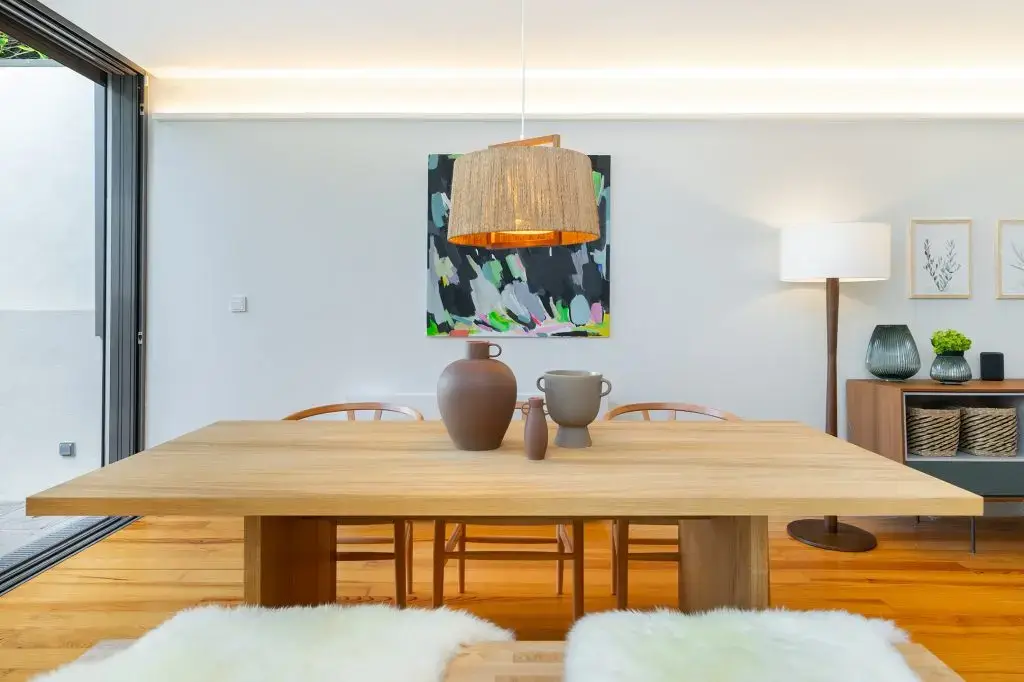
Villa Almada, a luxury family villa with private pool, in the garden of the Canto de Luz Maison.


Book Villa Almada
A luxury family villa with private pool, in the garden of the Canto de Luz Maison in Porto. Sleeps up to 6 plus 2 infants, daily breakfast, daily cleaning, and a stone’s throw from the historic centre. From €269/night.
Check Availability