
At A Glance
Planning your stay?
Luxury Villa Stays at Villa Almada — check availability and book direct.
Porto’s azulejo tiles — blue-and-white painted ceramic panels — cover church facades, train stations, and ordinary houses across the city.
- São Bento station covered with 20,000 azulejos inside
- Igreja do Carmo — huge azulejo side wall (1912)
- Capela das Almas — 16,000 tiles across the whole exterior
- Walking route takes 2-3 hours at an easy pace
- Most sites are free to see — outdoor facades visible any time
Azulejo — Portuguese painted ceramic tile — is the signature visual element of Porto. The blue-and-white panels cover ordinary street walls, train stations, churches, and merchant houses across the city, and spotting them is half the pleasure of walking Porto’s old town.
Villa Almada is in the middle of azulejo territory. This guide covers the 8 best places to see azulejo in the city, in a walking order that makes a natural half-day tour.
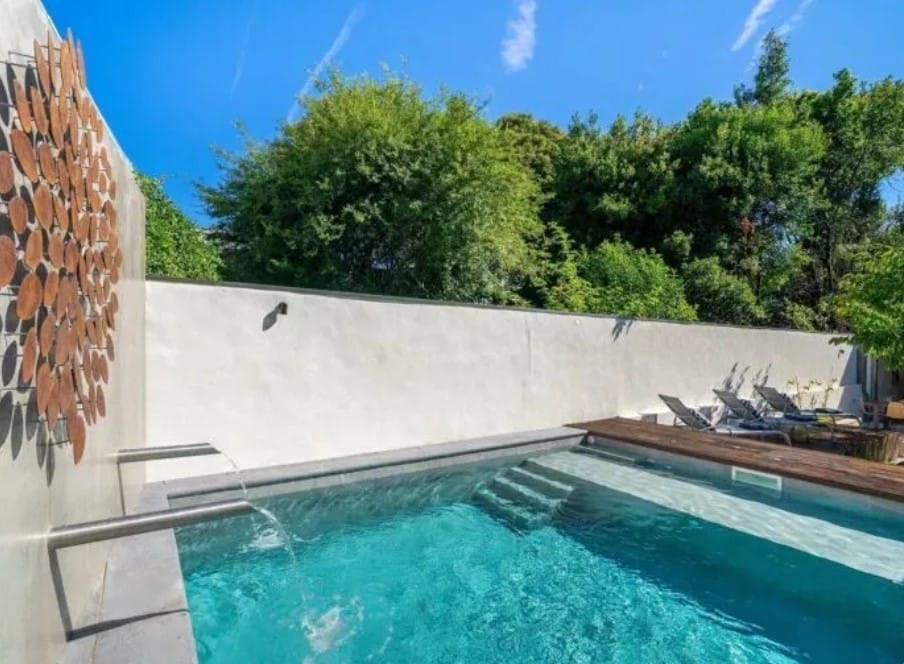
Looking for somewhere to stay? Villa Almada is my luxury family villa with a private pool in the garden of the Canto de Luz Maison. Sleeps up to 6 plus 2 infants, with daily breakfast and hotel-style service. From €269/night.
Check Availability →São Bento Station
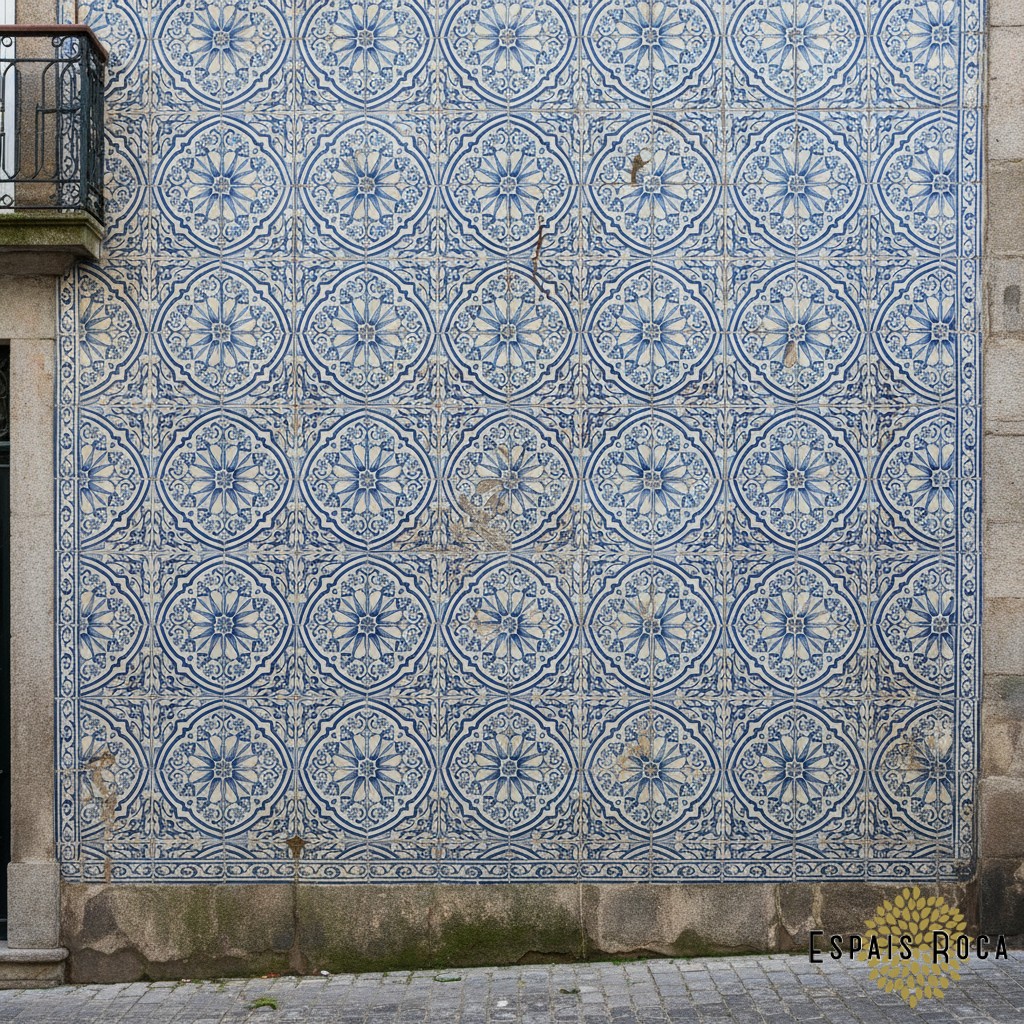
São Bento train station is the single most impressive azulejo site in Porto. The main entrance hall is covered top to bottom in roughly 20,000 blue-and-white tiles painted by Jorge Colaço between 1905 and 1916. They depict scenes from Portuguese history, including the Battle of Valdevez and the arrival of João I.
It is free to enter. Take the time to look at the upper register — the detail is easy to miss. A commuter station that doubles as one of the most beautiful train stations in the world.
Igreja do Carmo
The side wall of the Igreja do Carmo is covered in azulejo panels from 1912 depicting scenes from the founding of the Carmelite order. The tile work is in remarkably good condition and is one of the most photographed walls in Porto. Free to view from the street.


Capela das Almas
On Rua de Santa Catarina, the Capela das Almas is a small chapel entirely covered on the outside in 16,000 blue-and-white tiles. The panels depict the lives of Saint Francis of Assisi and Saint Catherine. Best photographed from across the street — the shop frontages opposite give you the space you need.

A Note from Susan
“Start at São Bento station even if you are not catching a train. It is the most extraordinary public building for azulejos in Portugal. Then the rest of the tour takes you past the churches and squares where the tiles are at their best.”
— Susan, Founder of Espais Roca
Igreja de Santo Ildefonso
Another 18th-century church with an azulejo-tiled facade. Sits at the top of Rua de Santa Catarina and is on most walking routes through the city. Free to enter; the exterior tiles are visible from the square.
Sé do Porto Cloister
The Gothic cloister inside the Sé Cathedral is covered in azulejo panels from the early 18th century. It is one of the oldest public tile installations in the city. Entry to the cloister is about €3.
Museu Nacional do Azulejo
Technically in Lisbon, not Porto, but worth mentioning because it is Portugal’s dedicated azulejo museum and has context you won’t get from individual buildings. If you plan a side trip to Lisbon, set aside 2 hours.
For a Porto-specific context, Casa de Serralves has a regularly rotating tile exhibition in the gardens.

“Susan is an excellent host! Very helpful with on going communication! The villa was incredible! Very clean and a cosy atmosphere in one tranquil area!”
— Kamran, via Airbnb
Street Azulejos in the Old Town
Many of the old Porto houses still have their original exterior azulejo panels. The walking route from Ribeira uphill through Rua das Flores passes dozens of them, some in poor repair and some beautifully preserved. There is a free walking guide from the Porto tourism office that flags the best.
The Contemporary Scene
Porto still has working tile ateliers. Gazete Azulejos on Rua dos Caldeireiros makes contemporary tile art and runs a small workshop. Wall-hanging tile pieces from the ateliers make excellent souvenirs that are specific to Porto.
The Azulejo Workshops Still Operating Today
Most of Porto’s famous azulejo facades were not made in Porto. Jorge Colaco’s panels at São Bento station, completed in 1916, were fired at the Fabrica de Sacavém near Lisbon — a factory that closed in 1994. Today, a handful of working ateliers in and around Porto have picked up the restoration and commission work, and visiting them is one of the more underappreciated half-days in the city.
Prometeu Artesanato, tucked on Rua das Flores, does small-batch hand-painting and will produce a custom house number or street sign in about three weeks starting around 45 euros. Gazete Azulejos in Vila Nova de Gaia works on heritage restoration contracts, including the ongoing conservation of panels at Capela das Almas. For serious collectors, Cortico & Netos on Rua Maria near the Bolhão market sells discontinued factory tiles from 1960s and 1970s Portuguese production runs — genuine pieces, not reproductions, typically 8 to 30 euros per tile.
Tile theft has been a real problem. Porto City Council estimated in 2023 that roughly 25 percent of exterior azulejo panels on buildings built before 1950 show gaps from theft or weather damage. SOS Azulejo, a nationwide police-backed initiative running since 2007, has recovered around 3,500 stolen tiles. The practical result for visitors: never buy azulejos from street vendors or informal markets, because provenance is almost certainly stolen. Reputable workshops provide a certificate of origin, and the 15 euro you’d save isn’t worth the customs problem on the way home.
- Prometeu Artesanato — custom commissions, Rua das Flores
- Cortico & Netos — authentic vintage factory tiles
- Gazete Azulejos — restoration specialists, tours by appointment
- Museu Nacional do Azulejo (Lisbon) for deeper historical context
Frequently Asked Questions
What are azulejos?
Azulejos are Portuguese painted ceramic tiles, traditionally blue-and-white, used to cover church facades, train stations, houses, and public buildings. The art form dates from the 15th century and is a defining visual element of Portuguese cities, especially Porto.
Where is the best azulejo in Porto?
São Bento train station is the most spectacular single site, with around 20,000 tiles in the main hall depicting Portuguese history. Capela das Almas and Igreja do Carmo are the best church exteriors.
Are azulejo sites free to visit?
Most outdoor facades (São Bento station, Igreja do Carmo, Capela das Almas, Santo Ildefonso) are free to see from the street. Sé Cloister costs €3. São Bento is free to enter.
How long does an azulejo walking tour take?
2-3 hours at an easy pace to cover the 7-8 most important sites. Pair with a coffee stop and a church visit for a full half-day.
Can I buy azulejo tiles as souvenirs?
Yes. Gazete Azulejos on Rua dos Caldeireiros sells contemporary tile art. For traditional pieces, Prometeu Artesanato and the Mercado do Bolhão market stalls have good selections.
Is São Bento station always open?
Yes, it is a working train station. Access to the main hall is free 24/7, though the best light for photography is morning and late afternoon.
Your Private Porto Villa
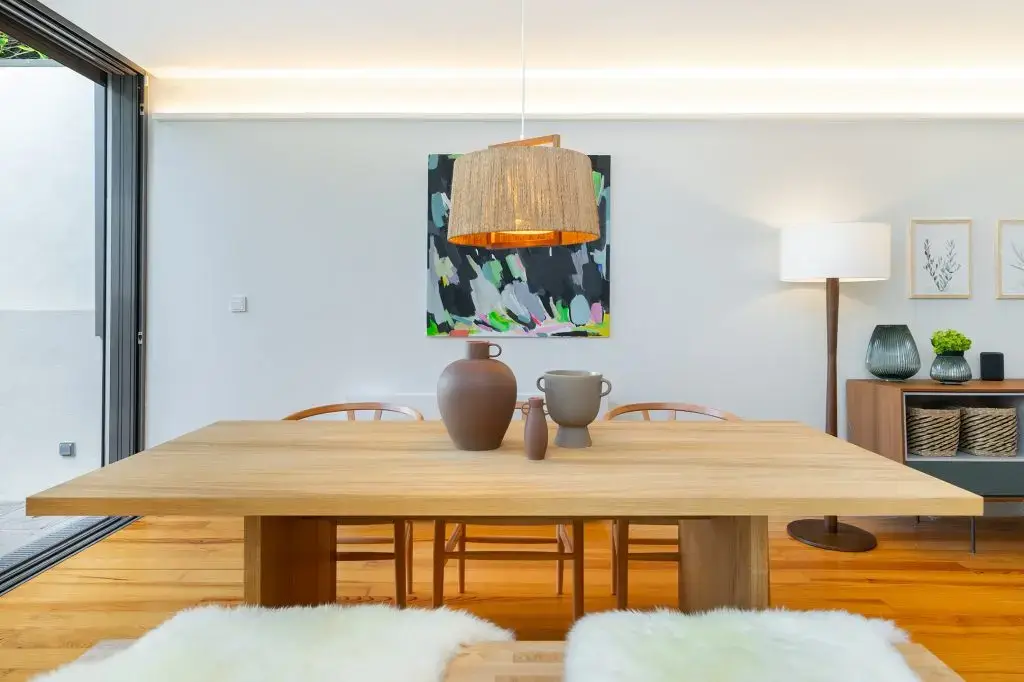
Villa Almada, a luxury family villa with private pool, in the garden of the Canto de Luz Maison.

Book Villa Almada
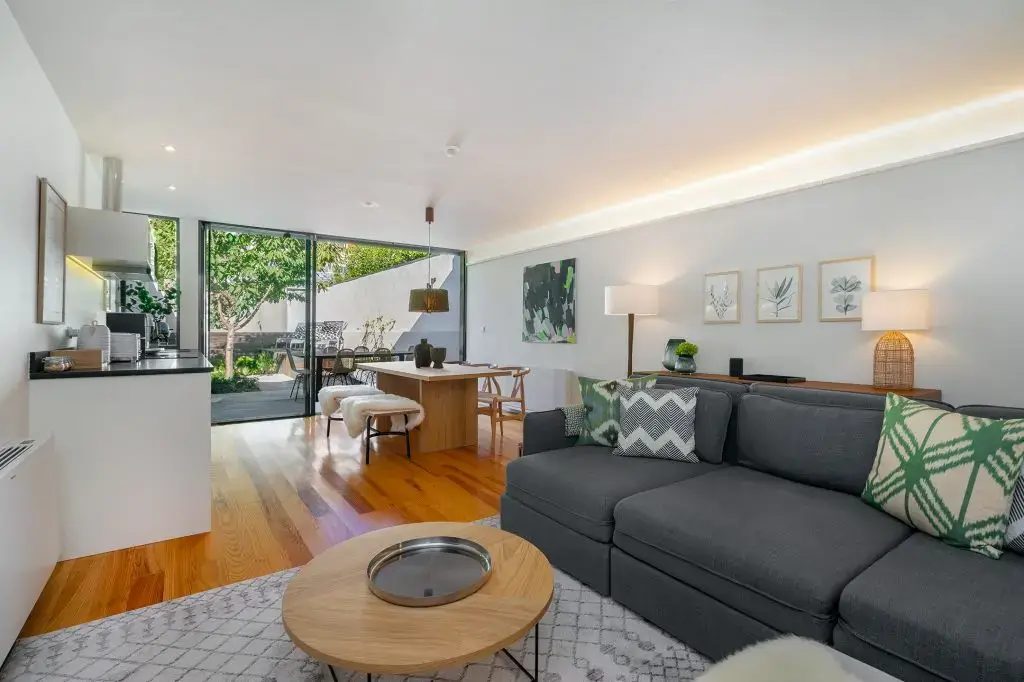
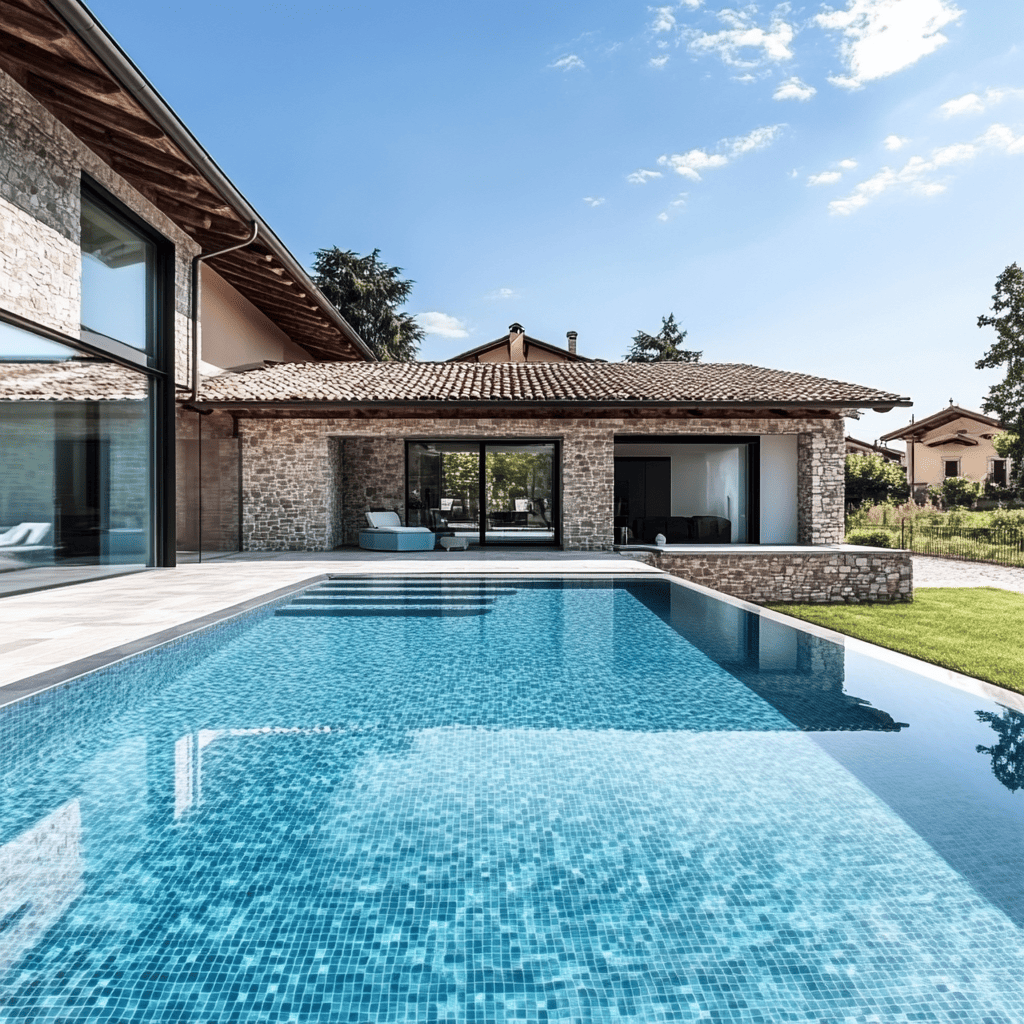
A luxury family villa with private pool, in the garden of the Canto de Luz Maison in Porto. Sleeps up to 6 plus 2 infants, daily breakfast, daily cleaning, and a stone’s throw from the historic centre. From €269/night.
Check Availability