
At A Glance
Planning your stay?
Luxury Villa Stays at Villa Almada — check availability and book direct.
The Funicular dos Guindais is a short but steep cable-car ride connecting the Ribeira waterfront to the upper town of Batalha.
- Opened 1891, closed for decades, rebuilt and reopened 2004
- 3-minute journey covering 281 metres and 61m elevation
- €2.50 single or free with Andante Card Z2
- Saves a steep uphill walk from Ribeira to the Batalha area
- 5-minute walk from central Porto sights
The Funicular dos Guindais is a short, steep cable-car ride that connects the Ribeira waterfront to the upper town of Batalha. It is useful, cheap, and historically interesting, and it saves you a 10-minute climb up one of Porto’s steeper hills.
Villa Almada is a short walk from the upper station. This guide covers how the funicular works, when to use it, and why it is more than just a tourist attraction.
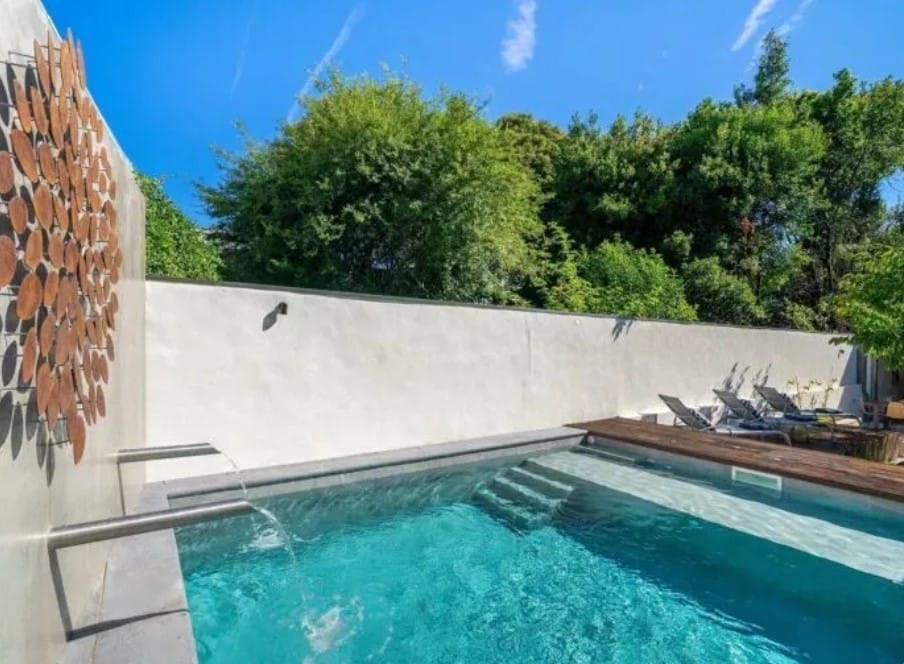
Looking for somewhere to stay? Villa Almada is my luxury family villa with a private pool in the garden of the Canto de Luz Maison. Sleeps up to 6 plus 2 infants, with daily breakfast and hotel-style service. From €269/night.
Check Availability →What is the Funicular dos Guindais
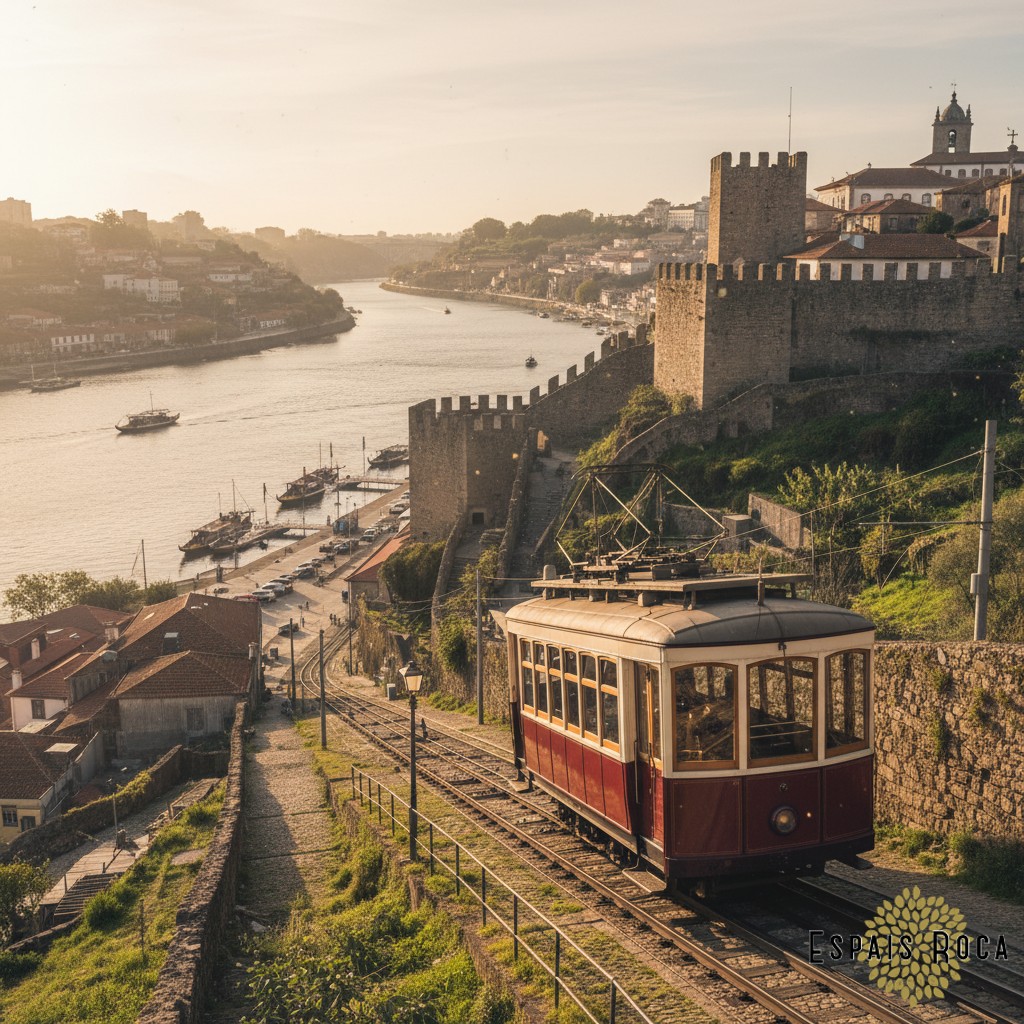
The Funicular dos Guindais is a one-carriage cable railway built in 1891 to move goods and people between Ribeira and the upper town. It closed in the 1890s after a serious accident and was out of service for nearly 110 years. The current system was rebuilt and reopened in 2004 with modern safety standards.
The 281-metre route climbs 61 metres of elevation in about 3 minutes. The carriage is glass-walled and gives views over Ribeira, the Douro, and the medieval Muralha Fernandina defensive wall running alongside the track.
Stations
Lower station: Ribeira, directly across from the Cais da Ribeira. If you have just crossed the Luís I Bridge or finished a Douro river cruise, it is about 30 seconds away.
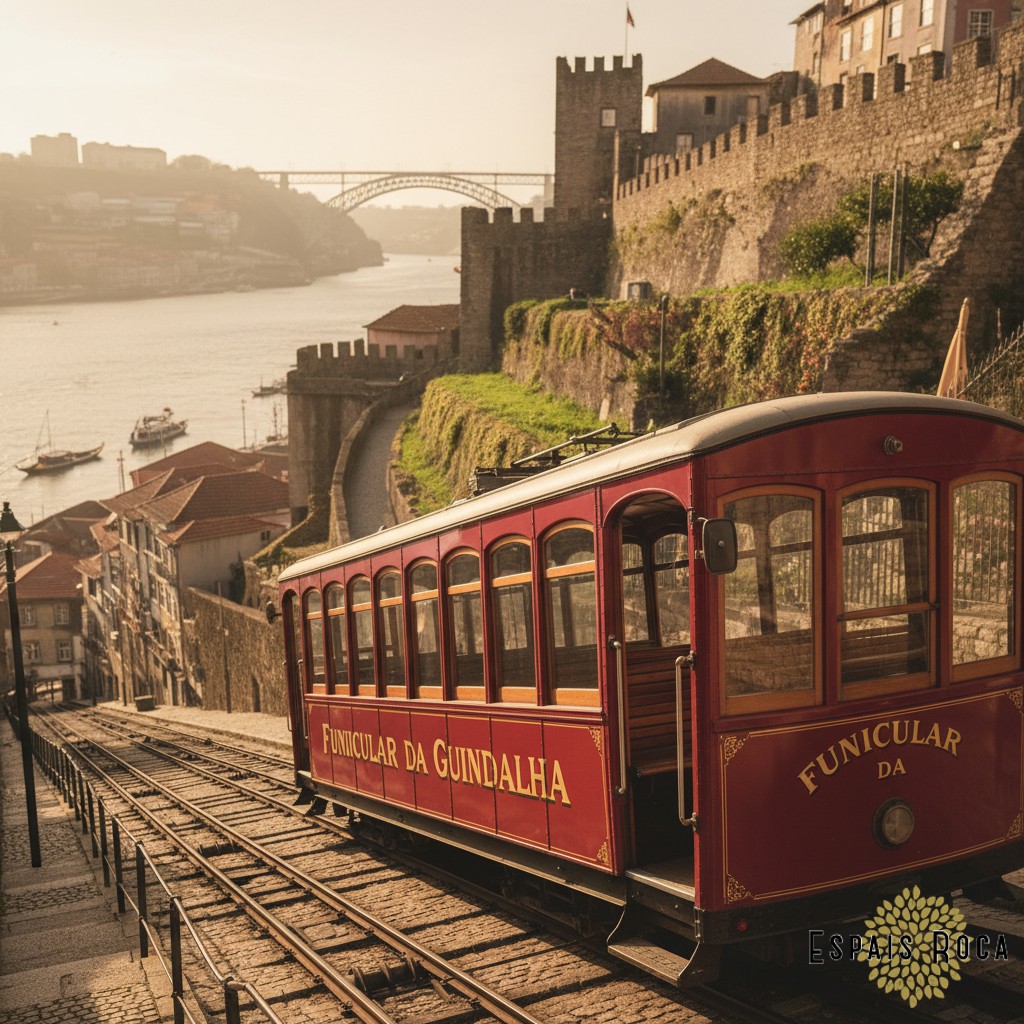
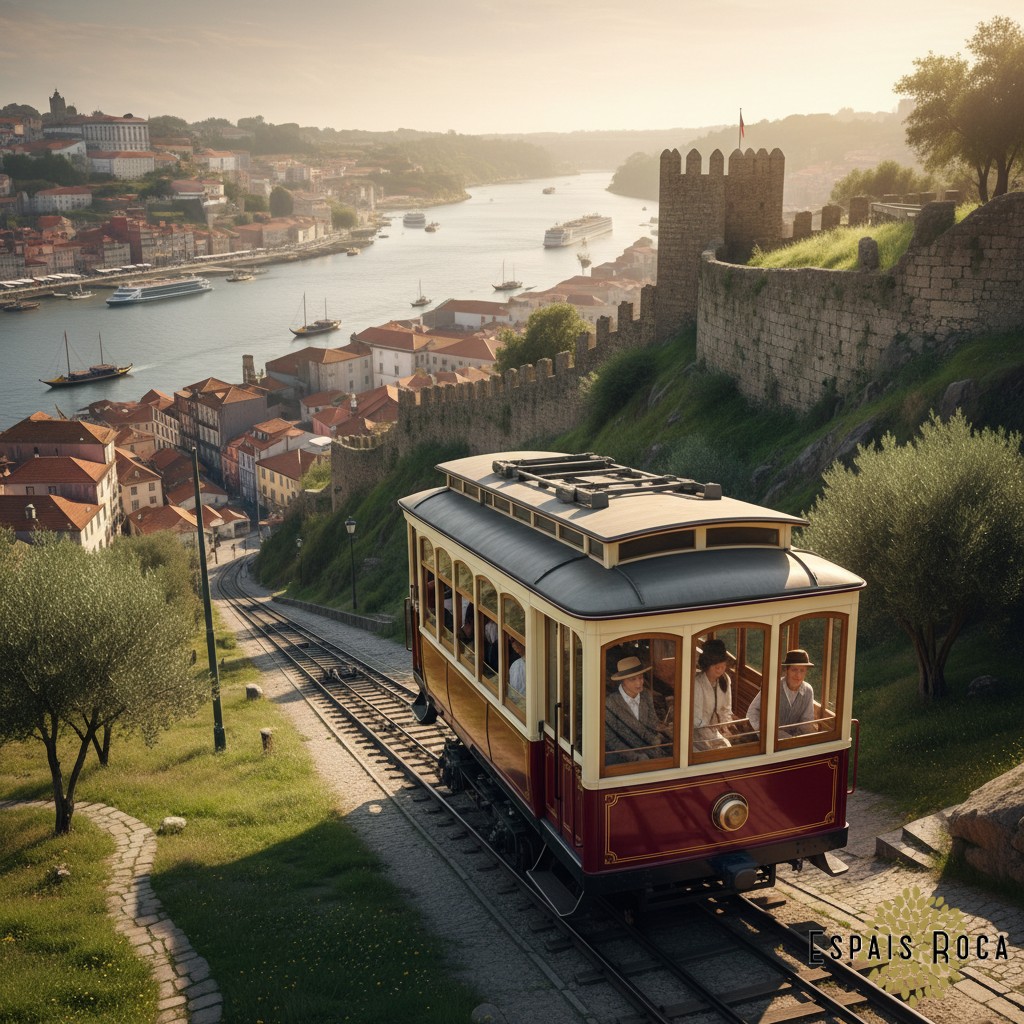
Upper station: Batalha, near the Teatro Nacional São João and the top of Rua de Santa Catarina. Walkable to the Capela das Almas, Igreja de Santo Ildefonso, and the Mercado do Bolhão.
How Much It Costs
Single journey is about €2.50. Return is around €4. The Andante Card covers the ride within the Z2 zone at standard fare (€1.40 for a Z2 trip), making it the cheapest option if you already have the card loaded.
Children under 5 travel free. Seniors get a discount with Porto resident cards.

A Note from Susan
“The Funicular is a practical shortcut rather than a sightseeing highlight. After dinner in Ribeira, the walk back uphill is steep — hop on the Funicular instead and save your legs for tomorrow.”
— Susan, Founder of Espais Roca
Operating Hours
Daily from 8am to 8pm (winter), extending to 10pm in summer. Trains run roughly every 10 minutes, more frequently in peak tourist season.
Check current hours on the STCP website — they occasionally change for maintenance or special events.
The Fernandine Wall
As the Funicular climbs, it runs alongside a preserved section of the Muralha Fernandina, Porto’s 14th-century defensive wall. The wall used to ring the medieval city and what remains today is one of the best surviving stretches.
A short walk from the upper station takes you to an interpreted section of the wall with viewing platforms. Free to visit.
Using the Funicular Strategically
The most common use is as a shortcut: downhill walk from the upper town to Ribeira for dinner, then Funicular back up at the end of the night. Saves your legs after a long day.
Also useful in reverse: metro or Uber to the upper station, Funicular down to Ribeira, spend the day by the river, cross the bridge to Gaia, and return via the lower deck.

“Susan’s place is a delight. A characterful conversion with modern and eco friendly touches throughout, in stunning surroundings.”
— Andrew, via Airbnb
Walking Alternatives
If you prefer to walk, the route from Ribeira up to Batalha is about 10 minutes via Rua de São Sebastião, with steep cobbles and steps. Scenic but strenuous.
The Escada dos Guindais staircase runs alongside the Funicular track and is free — another good option if you want the views without the ride.
From Villa Almada
Villa Almada is a short walk from the upper Funicular station at Batalha. Walking down Rua de Santa Catarina takes about 12 minutes to Batalha. From there, the Funicular down to Ribeira is 3 minutes.
Engineering, History, and Operating Quirks of the Funicular
The Funicular dos Guindais first opened on 3 June 1891, designed by Portuguese engineer Raul Mesnier de Ponsard — the same engineer behind Lisbon’s Gloria and Bica funiculars. The original steam-and-water-ballast system ran for just two years before a derailment in 1893 killed the operator and shut the line for more than a century. When the city finally reopened it in February 2004, almost nothing of the original mechanism remained usable; the track bed itself was rebuilt with new concrete foundations and a modern counterweight system from Swiss manufacturer Garaventa.
The technical specifications are impressive for such a short ride. The line is 281 metres long with a 61-metre vertical rise, running at a maximum gradient of 21.6 percent. Each car carries up to 25 passengers and the full trip takes about three minutes. The line operates from 8:00 to 20:00 in winter and until 22:00 (midnight on weekends) in summer, with departures every couple of minutes whenever demand fills the car.
A few practical quirks worth knowing. The funicular is a fully integrated part of Porto’s Andante transport network — a single journey costs 2.5 euros, but if you already have a 24-hour Andante Tour ticket (10 euros) or an active Porto Card, the ride is free. Wheelchair accessibility was added in the 2004 rebuild and remains one of the few seamless car-to-station transfers in the Old Town. The Ribeira lower station gets extremely congested between 17:00 and 19:00; we send guests uphill instead and ride downhill at that time, which always has shorter queues. The views through the tunnel section past the medieval Fernandina Wall are the real engineering highlight, not the Douro panorama everyone photographs.
- Free with Porto Card or 24-hour Andante Tour
- Cash not accepted — tap a contactless card or Andante
- Ride uphill in morning, downhill late afternoon to beat queues
- The 12th-century Fernandina Wall view is best from the right-hand side going down
Frequently Asked Questions
What is the Funicular dos Guindais?
A cable-car railway connecting the Ribeira waterfront to the Batalha area of upper Porto. It covers 281 metres and 61m of elevation in about 3 minutes.
How much does it cost?
About €2.50 for a single journey, €4 for a return. The Andante Card covers it at Z2 zone pricing (€1.40 per trip).
What are the opening hours?
8am-8pm daily in winter, 8am-10pm in summer. Trains run every 10 minutes, more frequently in peak times.
Is the Funicular worth the ride?
Yes as a practical shortcut when climbing from Ribeira to the upper town. The views during the climb are a nice bonus. It is not a sightseeing highlight in itself — ride it because you need to, not because you must.
Is it wheelchair accessible?
Yes. Both stations and the carriage are fully wheelchair accessible.
How far from Villa Almada?
Villa Almada is a 12-minute walk from the upper Funicular station at Batalha, then 3 minutes by cable car down to Ribeira.
Your Private Porto Villa
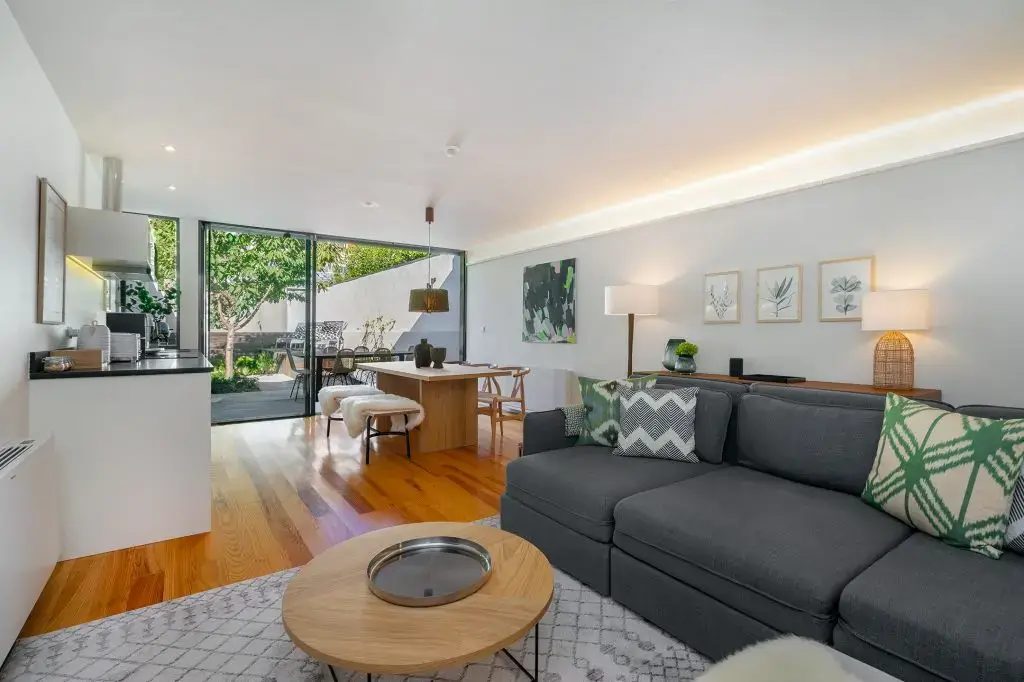
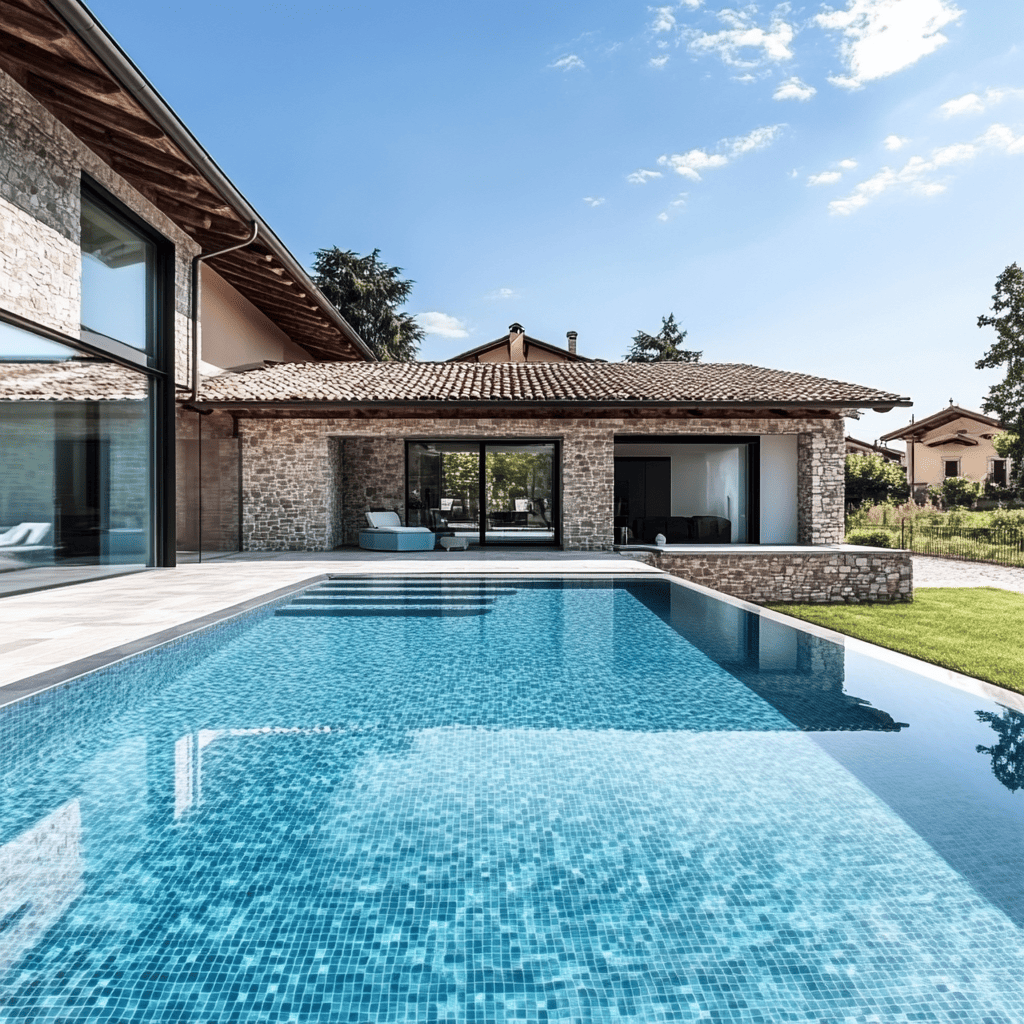
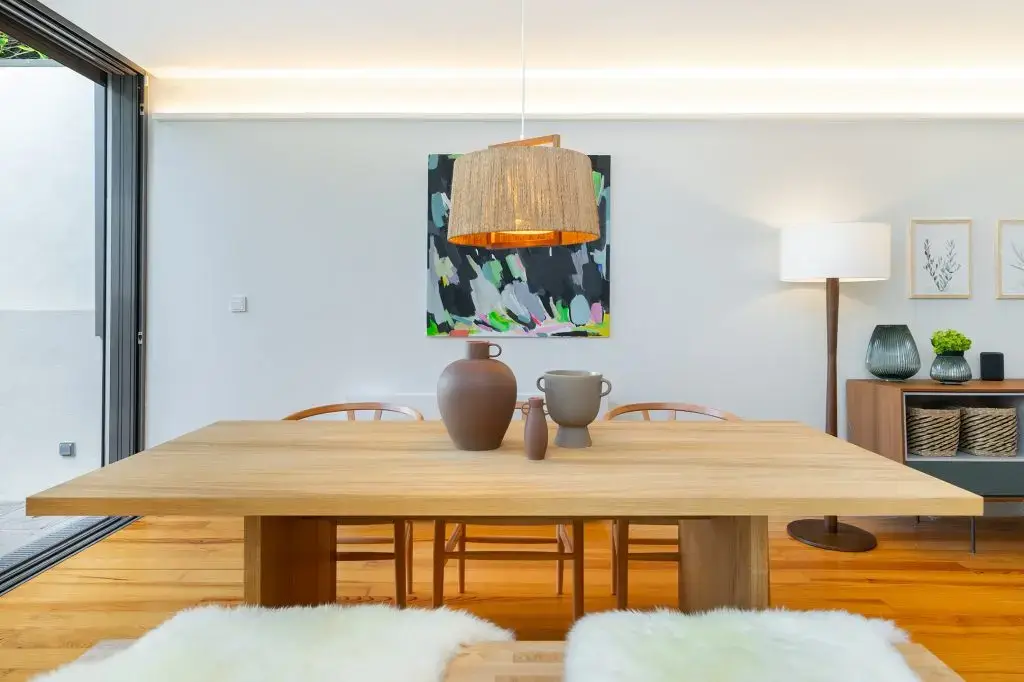
Villa Almada, a luxury family villa with private pool, in the garden of the Canto de Luz Maison.

Book Villa Almada
A luxury family villa with private pool, in the garden of the Canto de Luz Maison in Porto. Sleeps up to 6 plus 2 infants, daily breakfast, daily cleaning, and a stone’s throw from the historic centre. From €269/night.
Check Availability