
Porto is not expensive by Western European standards, and in 2027 it remains one of the best value city breaks on the continent. Prices have crept up with inflation and demand, but a coffee at the counter, a set lunch and a metro ride still cost a fraction of what they do in London, Paris or Amsterdam.
Planning your stay?
Luxury Villa Stays at Villa Almada — check availability and book direct.
Porto Prices In 2027 At A Glance
Expect modest prices for food, transport and sights, with accommodation and the month you travel making the biggest difference to what a Porto trip costs.
- An espresso at the counter costs around €0.70 to €1.20
- A weekday prato do dia set lunch is about €9 to €14
- A central metro trip is €1.40, and the airport run is €2.30 plus a €0.60 card
- The tourist tax is €3 per person per night, and a review is under way
- June 2027 will be the busiest month, with Primavera Sound and São João back to back
Whether Porto feels expensive depends on what you compare it with. Against the big Northern European capitals it is very good value: lunch with a glass of wine costs about what a sandwich and coffee cost in central London, and a port tasting in a historic cellar costs less than a cinema ticket in many cities. Against the Porto of ten years ago it has become noticeably dearer, and returning visitors usually notice it first in hotel rates. Guests at our private pool villa in central Porto tell us the same thing every year, which is that the food and wine still feel like excellent value while the room rates feel like any other popular European city.
The good news is that a Porto trip is unusually easy to control. The best viewpoints, gardens and walks cost nothing, the city centre is compact enough to cross on foot, and most of the money goes on two decisions you make before you arrive: where you sleep and when you travel. The price gap between neighbourhoods is real, with the riverfront charging the most for the smallest rooms, and the full comparison of districts sits in our guide to the best neighbourhoods to stay in Porto. Choosing the right month matters just as much, because the same room can cost almost twice as much in June as it does in February.
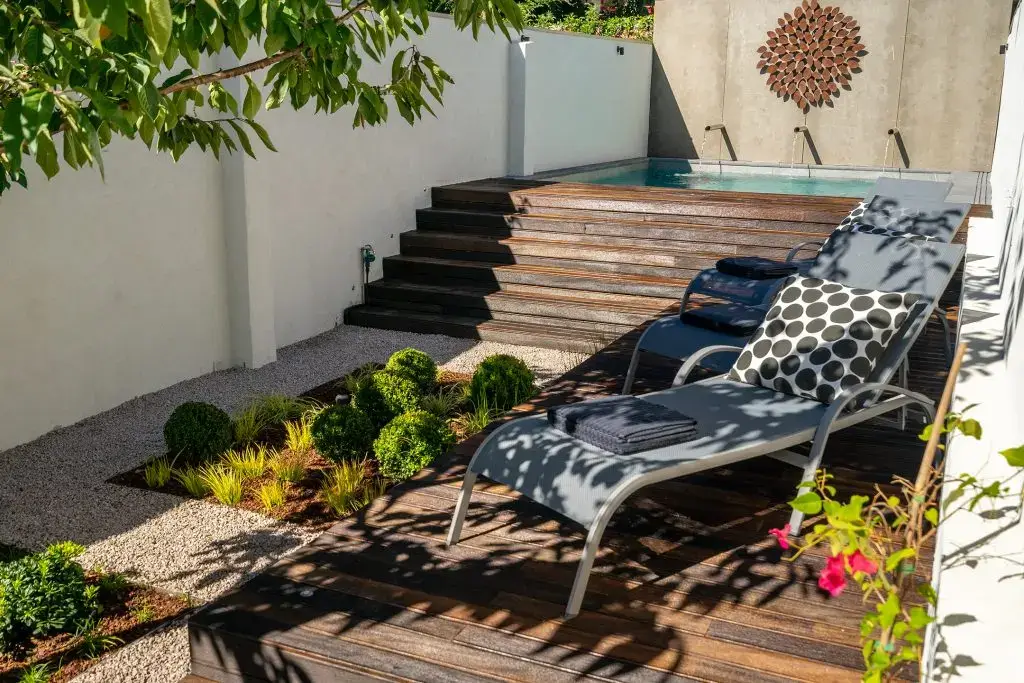
Travelling as a group? Villa Almada is a whole villa with a private pool and kitchen, so the nightly rate is shared rather than multiplied. Sleeps 6 plus 2 infants, breakfast and cleaning included. From €269 a night.
See Full PricingWhat Does Porto Cost In 2027? Everyday Prices For Food, Transport And Sights
Day-to-day prices in Porto rose with Portuguese inflation through 2026, which stood at 3.8% in October, and both the Banco de Portugal and the European Commission expect prices to keep rising more gently in 2027, at somewhere between 2.4% and 3%. In practice that means a few cents on a coffee and a euro or two on a restaurant meal rather than anything that changes the character of a trip. The table sets out what the everyday items of a Porto holiday cost as of November 2026, which is the best guide available for planning a visit in 2027.
| Item | Typical price | Good to know |
|---|---|---|
| Espresso (cimbalino) at the counter | €0.70–1.20 | Sitting on a terrace costs two to four times more |
| Pastel de nata | €1.20–2 | Bakery prices, not café prices |
| Prato do dia (weekday set lunch) | €9–14 | Usually includes a drink and sometimes coffee |
| Francesinha | €10–15 | Porto’s signature sandwich, served with fries |
| Main course, neighbourhood restaurant | about €14 | Evening prices in a local tasca |
| Dinner for two, mid-range, with wine | €50–70 | Riverfront restaurants sit at the top |
| Beer (0.5 litre) | about €3 | A small fino costs less |
| Metro single, central zone (Z2) | €1.40 | Plus €0.60 once for the Andante card |
| Metro from the airport (Z4) | €2.30 | Line E, about 30 minutes to Trindade |
| Andante Tour 1 day / 3 days | €7.75 / €16.55 | Unlimited metro, bus and urban trains |
| Historic tram ride | €6 (child €3.50) | Andante tickets are not valid on the trams |
| Livraria Lello | €15.95 | Redeemable against a book bought in the shop |
| Torre dos Clérigos | €8 | The best view over the old town |
| Serralves museum and park | €24 (park only €15) | The most expensive single ticket in the city |
| Port cellar tour and tasting | €20–30 | Taylor’s €25, Graham’s from €30 |
| Six Bridges river cruise | €18–20 | About 50 minutes on the Douro |
| Douro Valley day trip (group) | €55–75 | Usually includes a quinta visit and lunch |
| Tourist tax | €3 per person per night | Guests over 13, up to 7 nights |
Two items on that list changed during 2026 and catch out returning visitors. The historic trams now cost €6 for an adult single ride, and the Andante Tour card no longer covers them, so a tram trip along the river to Foz is now a deliberate treat rather than part of a transport pass. The Porto.CARD tourist pass, which used to bundle transport with museum discounts, stopped including transport in March 2026 and its sales were suspended in July, so for now it makes more sense to buy an Andante Tour for travel and pay attractions individually.
How Much Is The Porto Tourist Tax In 2027, And Will It Go Up?
Porto charges a municipal tourist tax, the taxa municipal turística, of €3 per person per night for every guest aged 13 or over, capped at seven nights per stay. It is collected by your accommodation, usually at check-in or added to the final bill, and it applies to hotels, apartments and villas alike. For a couple staying four nights the tax comes to €24, and for a family of four with two teenagers on a week-long holiday it reaches €84, so it is worth including in your sums from the start rather than discovering it at the desk.
A change is under discussion for 2027. At the end of September 2026 Porto’s council voted to begin a review of the tax, and the mayor has said publicly that he would like Porto to match Lisbon’s rate of €4 per night. As of November 2026 no new amount or start date has been approved, so the €3 rate still applies to every booking, and any increase would need to pass through the council and a public consultation before it takes effect. If you are booking a long stay for the second half of 2027, it is sensible to allow for €4 a night per person just in case.
Vila Nova de Gaia, across the river, already raised its own tax from €2.50 to €3 per night on 21 August 2026, so both sides of the Douro now charge the same. That matters if you are comparing a hotel among the port lodges in Gaia with one in Porto’s old town, because the tax no longer tips the balance either way. Children under 13 remain exempt on both sides of the river, which keeps the tax modest for families with younger children.
How Much Does Accommodation Cost In Porto In 2027, And When Are Rates Lowest?
Accommodation is the category that has changed most, and the one where your decisions matter most. Portugal’s national statistics office, INE, put the average rate per occupied hotel room at €93.80 in the first quarter of 2026 and €163.20 in August, about 3% higher than a year earlier. Porto has been growing faster than the rest of the country, with overnight stays up 4.9% in the third quarter of 2026, the strongest growth of any major Portuguese destination. Rising demand is the main reason room rates in the city centre have outpaced the price of food and transport.
The seasonal pattern is predictable and worth planning around. November to March, with the exception of Christmas and New Year, has the lowest rates of the year by a wide margin, and spring and autumn sit in the middle. June 2027 will be the busiest and dearest month: the Primavera Sound festival runs from 10 to 13 June, and the São João festival fills the city on the night of 23 June, so rooms for those dates book out months ahead. The full run of festivals and events by month is set out in the Porto events calendar, which is the best way to spot the dates that push prices up.
Location is the second lever. The riverfront in Ribeira commands the highest prices for the smallest rooms, because the historic buildings are protected and cannot be extended, while the same money buys considerably more space ten minutes uphill in Baixa, Cedofeita or Bonfim. These areas are also where most Porto residents eat out, so restaurant prices tend to be lower than on the waterfront. A short walk downhill to the river each day is a small price for a larger, quieter room.
The third lever is the size of your group. Hotels price per room, so a family of five usually needs two rooms and pays twice, while a whole villa or apartment is priced per night however many of you there are. At Villa Almada, a rate of €269 a night shared between six guests works out at under €45 each, including breakfast and a private pool, which is why the maths changes in favour of a whole property from about four people upwards. The full reasoning, including what you avoid by booking without a platform fee, is set out in why booking a Porto villa direct tends to work out better.
How Much Does Food And Drink Cost In Porto? Coffee, Lunch, Dinner And Port Wine
Eating well is where Porto still feels like outstanding value, provided you eat the way the city does. The most useful habit is the prato do dia, the weekday lunch menu offered by most neighbourhood restaurants, which usually includes a main course, bread, a drink and sometimes coffee for €9 to €14. The same food in the evening, ordered from the main menu, can cost half as much again, so many visitors make lunch the main meal of the day and keep dinner lighter. It is also the best way to taste everyday Portuguese cooking rather than tourist menus.
The second habit is where you stand. Portuguese cafés charge different prices at the counter and at the table, and a cimbalino, Porto’s name for an espresso, costs well under a euro at many counters while the same coffee on a riverfront terrace can be three or four times as much. A pastel de nata from a bakery is €1.20 to €2, and a francesinha, the city’s famous layered sandwich, costs €10 to €15 depending on the restaurant. The best places for both are covered in the guide to the best francesinha in Porto, which also explains how to order it.
Dinner for two at a good mid-range restaurant with a bottle of Portuguese wine usually comes to €50 to €70, and the waterfront is where prices climb fastest for the same food. A half-litre of beer is about €3, and a glass of port in a local café can cost as little as a euro or two, although the tastings in the Gaia cellars are a separate and worthwhile experience. The restaurants we recommend most often to guests, from simple tascas to special-occasion dining, are gathered in our list of the best restaurants in Porto.
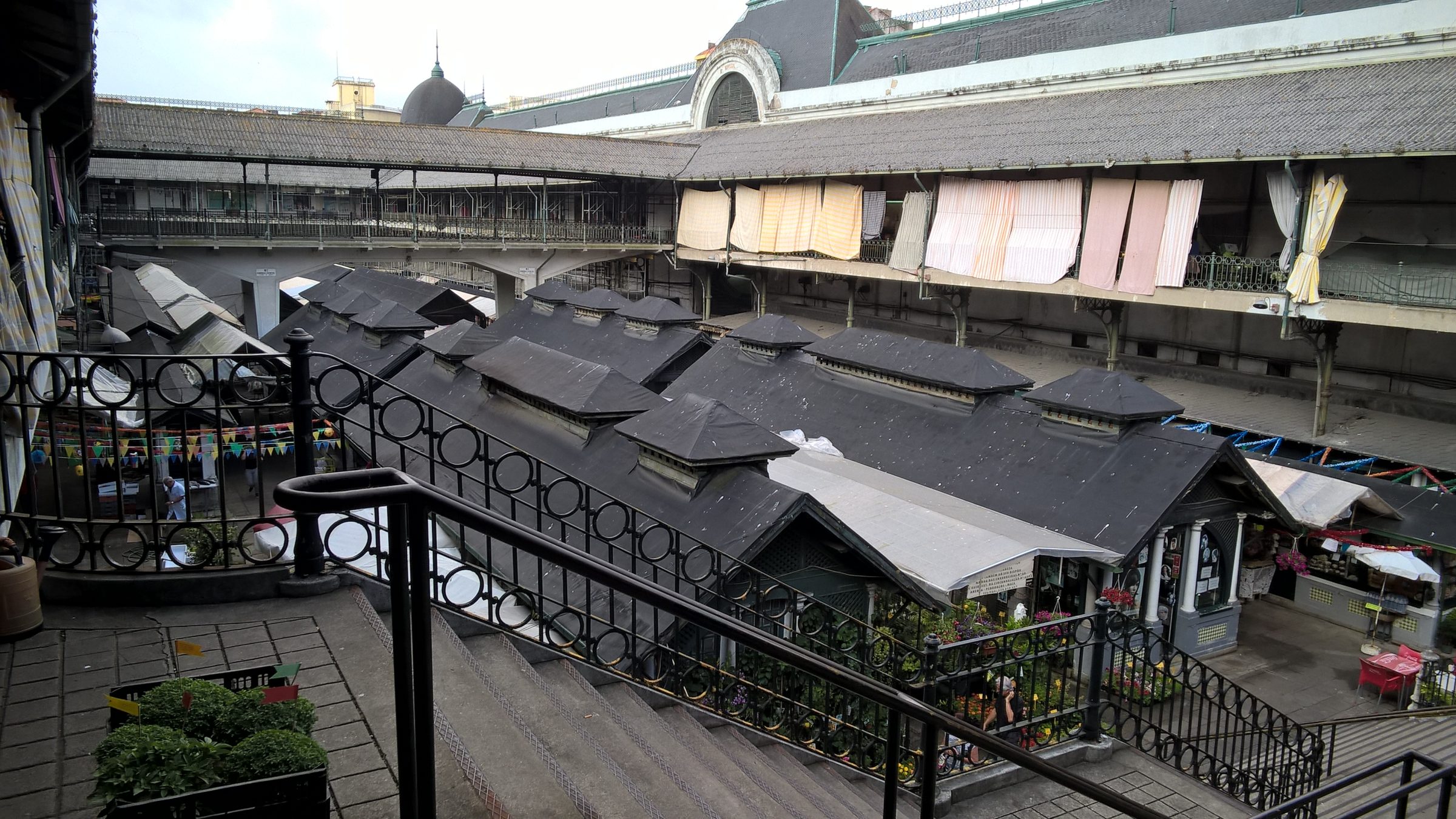
Self-catering changes the arithmetic again on a longer stay. Mercado do Bolhão, reopened after a long renovation, sells fruit, fish, bread, cheese and cured meats at market prices, and cooking two or three evening meals during a week makes a real difference for families. Tap water is safe to drink across the city, which removes a daily cost most visitors never think about, and supermarkets sell good Douro and Vinho Verde wines for a few euros a bottle.

A Note From Susan
“The guests who spend the least are not the ones being careful. They are the ones who worked out early that lunch is the good meal here and that the best evening in Porto costs nothing at all. Walk over the bridge at sunset with a glass of something. I have never had anyone tell me they wished they had spent more.”
Susan, host at Villa Almada
Is Public Transport Expensive In Porto? Metro, Andante Cards, Trams And The Airport
Transport is one of the smallest costs of a Porto trip. The historic centre is walkable from end to end, and many visitors use public transport only for the airport run and a trip to the beach at Foz or Matosinhos. When you do need it, a single metro journey in the central zone costs €1.40 on a rechargeable Andante card, which costs €0.60 once and can be topped up for the rest of your stay. Metro do Porto has not published any change to these fares for 2027, so they are the right figures to plan with.
For a busier itinerary, the Andante Tour gives unlimited travel on the metro, city buses and urban trains for €7.75 for 24 hours or €16.55 for 72 hours. It pays for itself from about five or six journeys a day, so it suits a first visit with a lot of sightseeing rather than a slow stay in one neighbourhood. The differences between the blue card, the Tour card and the zone system are explained step by step in our guide to the Andante card in Porto, including where to buy one as soon as you land.
The airport sits in zone Z4, so the metro into the city costs €2.30 plus the card, and the journey to Trindade takes about half an hour on Line E. A taxi or Uber is quicker at night or with heavy luggage and still reasonable by Northern European standards. Every option, from the metro to a private transfer, is compared with prices and journey times in our guide from Porto airport to the city centre. Since summer 2026 public transport has been free for registered Porto residents, but visitors still pay the standard fares.
The historic trams are now priced as an attraction rather than as transport, at €6 for an adult single ride and €3.50 for a child, and they are not covered by the Andante Tour. Line 1 along the river to Foz is the one most worth riding. Hiring a car is rarely worth it unless you plan to explore the Douro Valley independently, because central parking is scarce and the old town’s streets are narrow and steep.
What Do Porto’s Top Attractions Cost In 2027? Lello, Clérigos, Serralves And The Port Lodges
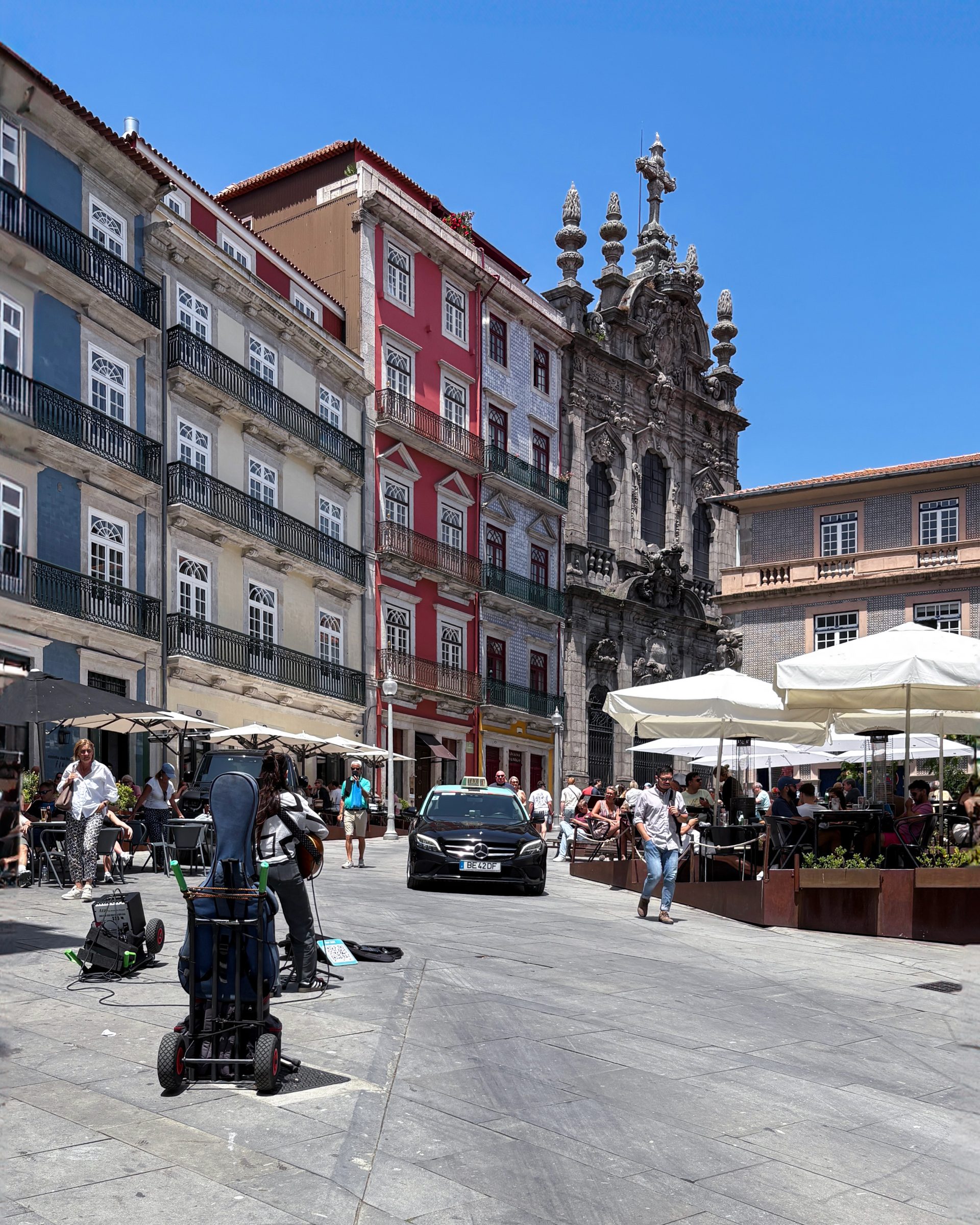
Porto’s headline attractions are modestly priced, and several of the best experiences are free. The viewpoints at the Jardim do Morro and Miradouro da Vitória cost nothing, the old town is a UNESCO World Heritage Site you can walk for free, and crossing the upper deck of the Dom Luís I bridge at sunset is the highlight of many trips. Most of the city’s green spaces, from the Crystal Palace gardens to the Parque da Cidade, are also free, and they are described one by one in the guide to Porto’s parks and gardens.
The paid attractions that most visitors choose are the Livraria Lello bookshop at €15.95, with the ticket redeemable against a book, the Torre dos Clérigos at €8 for the climb to the best view over the city, and a port cellar visit in Vila Nova de Gaia. A standard cellar tour with a tasting costs €20 to €30, with Taylor’s at €25 and Graham’s from €30, and premium tastings of aged tawnies and vintage ports cost more. Serralves, the contemporary art museum and park, is the most expensive single ticket at €24, or €15 for the park alone, and it is the one most worth the price for anyone who enjoys art and gardens.
On the river, a Six Bridges cruise costs €18 to €20 and takes about 50 minutes, and a full-day group trip to the Douro Valley, usually with a quinta visit, tastings and lunch, costs around €55 to €75. With the Porto.CARD discount pass currently suspended, the simplest approach is to pick the three or four paid experiences that matter most to you and pay for them individually, which rarely adds more than €60 to €80 per person to a long weekend.
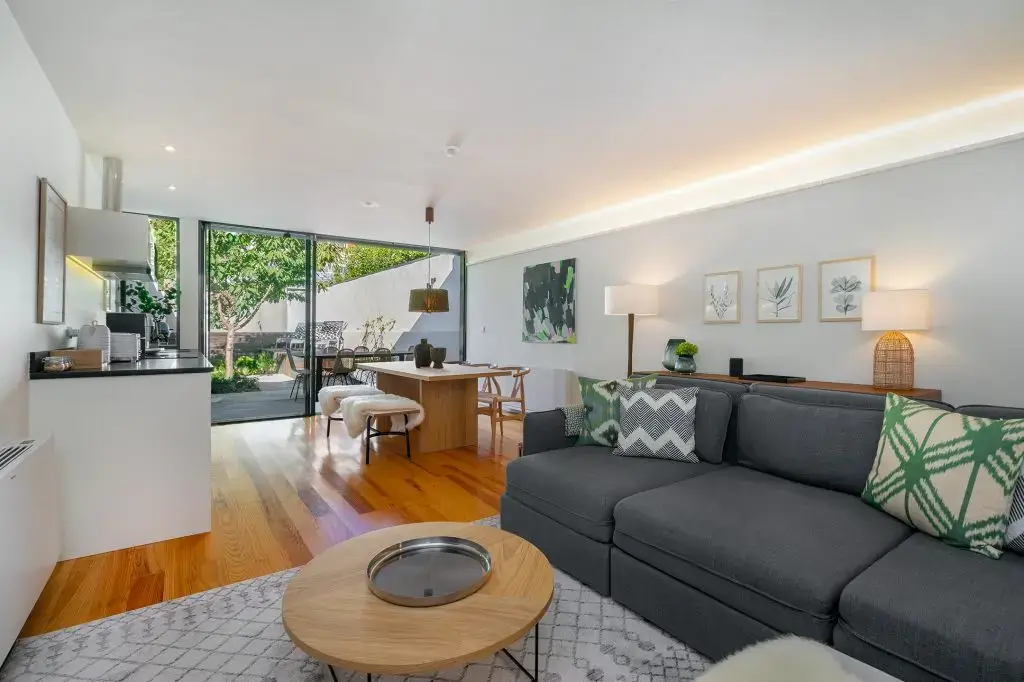
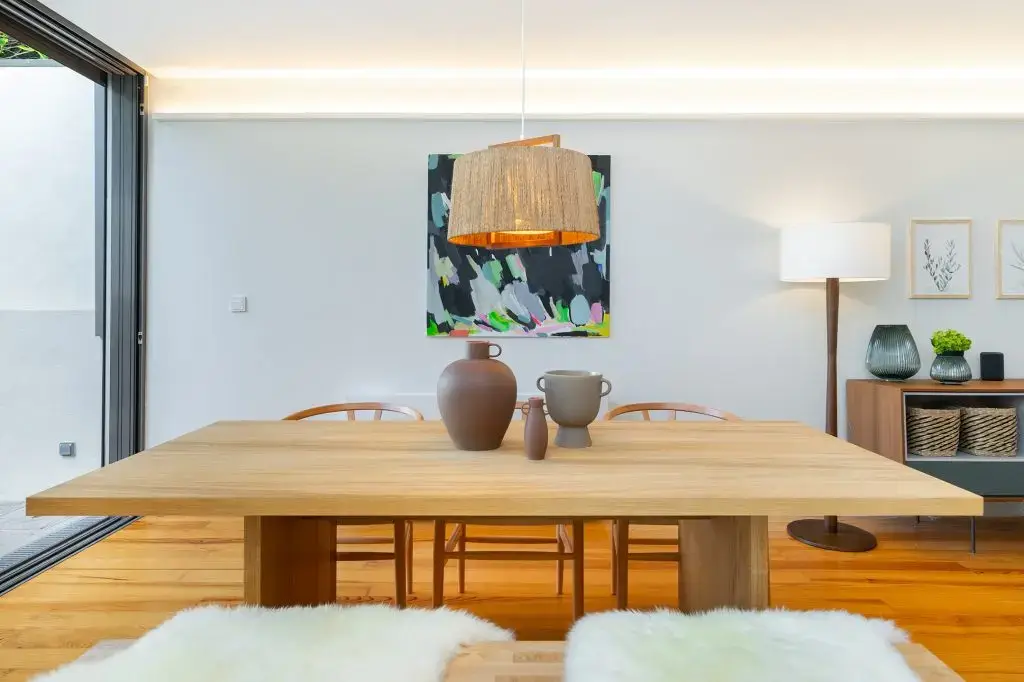
Your Porto Base in the Old Town
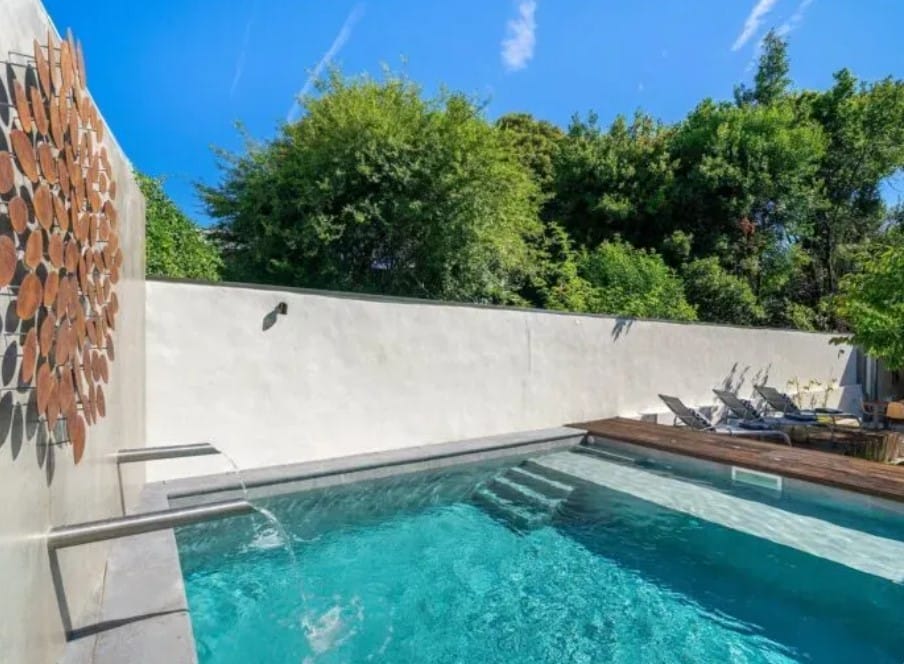
Villa Almada, a whole villa with pool, garden and kitchen on Rua do Almada.

How Much Money Do You Need Per Day In Porto In 2027?
Daily spending in Porto depends far more on your habits than on the city. The figures in the table are per person per day, excluding accommodation and flights, because those vary too widely by season and group size to average usefully. They are based on November 2026 prices with a small allowance for 2027 inflation, and they assume you walk most of the time and use the metro for longer hops.
| Travel style | Per person per day | What that looks like |
|---|---|---|
| Relaxed and local | €35–45 | Bakery breakfast, prato do dia lunch, a simple dinner or self-catering, walking and free viewpoints |
| Comfortable | €60–90 | Café breakfast, set lunch, restaurant dinner with wine, one paid attraction and some metro journeys |
| Generous | €110–160 | Terrace breakfasts, a premium port tasting, a special dinner, taxis and a guided experience or river cruise |
For a three-day trip at the comfortable level, that adds up to roughly €180 to €270 per person before accommodation, which covers good meals, a cellar tasting, a museum or two and a river cruise. A family of four that self-caters breakfast and one other meal a day sits at the lower end of these ranges, which is the main financial argument for a place with a kitchen on any stay longer than a long weekend. Around €100 a day per person is comfortably enough for a very good trip that includes paid sights and a restaurant dinner every evening.
Is Porto Better Value Than Lisbon And Other European Cities In 2027?
Porto remains the better value of Portugal’s two big cities. Comparisons of everyday consumer prices published in November 2026 put Lisbon about 7% higher than Porto overall, rising to about 12% once rents are included, and the gap is widest in accommodation. Lisbon has been a mainstream city-break destination for longer and its hotel market reflects that, while food and drink are only slightly dearer at the everyday level. A coffee costs much the same in both cities, but a mid-range dinner or a hotel night usually costs noticeably less in Porto.
The two cities suit different trips, and price is only one part of the decision. Porto is smaller, more compact and easier to see on foot, with the port lodges and the Douro Valley on its doorstep, while Lisbon offers more nightlife, beaches within easy reach and day trips to Sintra and Cascais. The full side-by-side comparison of neighbourhoods, prices and atmosphere is in Porto vs Lisbon: where to stay, which helps if you are deciding between the two for 2027.
Against the rest of Western Europe, Porto is still clearly lower in price than Paris, Amsterdam, London or Barcelona for food, drink and transport, and broadly level with mid-sized Spanish cities such as Valencia or Seville. Visitors from the UK, Ireland, Scandinavia and North America consistently find restaurant meals and wine the biggest pleasant surprise, while hotel prices in peak months feel familiar. That combination is why Porto rewards travelling outside June and the summer peak more than almost any other European city.
Will Porto Be More Expensive In 2027? Inflation, Demand And The Best Months To Visit
Porto will be a little more expensive in 2027 than in 2026, but not dramatically so. Inflation in Portugal reached 3.8% in October 2026, and the main forecasts for 2027 expect it to ease to between 2.4% and 3%, which points to small rises on menus and attraction tickets rather than sudden jumps. Public transport fares have been stable for several years, and no change has been announced for 2027. The two things most likely to push costs up are the planned review of the tourist tax and continued growth in visitor numbers, which keeps pressure on hotel rates in the busiest months.
June 2027 is the month to watch. Primavera Sound returns to the Parque da Cidade from 10 to 13 June, and the São João festival on 23 and 24 June is the city’s biggest party of the year, so the second half of June combines high demand with limited rooms. July and August are also busy and warm, while September and early October bring settled weather, harvest season in the Douro and slightly lower rates than midsummer.
For the best value in 2027, the months to target are January to March, November, and early December before the Christmas peak. Rates are at their lowest, the major sights are quiet, and Porto’s cafés, port lodges and museums are at their most relaxed. Late March to May and late September to October offer the best balance of weather and price for travellers who want sunshine without summer crowds or summer rates.
Where The Money Actually Goes In Porto
- Sitting down on the Cais da Ribeira rather than one street back
- Dinner from the main menu every night instead of the weekday set lunch
- Booking accommodation for June, July or August rather than spring or autumn
- Taxis at night because the address involves a steep hill
- Individual attraction tickets bought without deciding what you most want to see
- Two hotel rooms where one whole property would have cost less
None of this requires travelling differently or missing out. Porto rewards a handful of small habits rather than any real sacrifice: lunch as the main meal, coffee at the counter, walking rather than taxis in daylight, and a little planning around the busiest weeks. Combine those with the right base and the right month, and a trip in 2027 costs much less than its quality suggests.
“Awesome lodging in the heart of Porto. The service is 6 stars if possible. While all the staff were outstanding, Susan and Hannah were incredibly kind and helpful during our stay. I would not stay anywhere else when returning to Porto.”
— DM B (Dave), Local Guide · ★★★★★ 5/5 on Google
Frequently Asked Questions About Porto Prices In 2027
Is Porto Expensive To Visit In 2027?
No, not by Western European standards. A weekday set lunch costs about €9 to €14, an espresso at the counter is around a euro, and a central metro trip is €1.40. Accommodation is the biggest variable, and it depends mainly on the month you travel and the size of your group.
How Much Money Do You Need Per Day In Porto?
Excluding accommodation, plan on about €35 to €45 per person per day for a relaxed local trip, €60 to €90 for a comfortable trip with a restaurant dinner and one paid attraction, and €110 to €160 for terrace meals, premium tastings and guided experiences.
How Much Spending Money Do You Need For 3 Days In Porto?
For a comfortable three-day trip, around €180 to €270 per person covers meals, a port cellar tasting, a museum or two, a river cruise and some metro journeys. Accommodation and flights are extra.
Is 100 Euros A Day Enough In Porto?
Yes. Around €100 per person per day, excluding accommodation, comfortably covers good meals including a restaurant dinner with wine, paid attractions and transport around the city.
How Much Is The Tourist Tax In Porto?
Porto charges €3 per person per night for guests aged 13 and over, up to a maximum of seven nights. The council began reviewing the rate in September 2026, but no increase had been approved as of November 2026. Vila Nova de Gaia also charges €3 per night.
Is Porto Better Value Than Lisbon?
Yes. Everyday prices in Lisbon are about 7% higher than in Porto, and the gap widens to about 12% once rents are included. The biggest difference is in accommodation, while coffee and simple meals cost much the same in both cities.
How Much Is A Meal In Porto?
A weekday prato do dia set lunch is typically €9 to €14 including a drink. A main course in a neighbourhood restaurant is about €14, a francesinha costs €10 to €15, and dinner for two at a mid-range restaurant with wine is roughly €50 to €70.
How Much Is A Beer In Porto?
A half-litre of beer costs about €3 in a typical bar or café, and a small fino costs less. Prices are higher on the riverfront terraces of Ribeira and Gaia.
How Much Does A Port Wine Tasting Cost In Porto?
A standard cellar tour with a tasting in Vila Nova de Gaia costs €20 to €30. Taylor’s charges €25 and Graham’s starts from €30, while premium tastings of aged tawnies and vintage ports cost more.
What Is The Best Value Time To Visit Porto?
January to March, November and early December offer the lowest accommodation rates of the year, with Christmas and New Year as the exception. June is the busiest and dearest month, with Primavera Sound and the São João festival.
Is Public Transport Expensive In Porto?
No. A central metro trip costs €1.40 on an Andante card, which costs €0.60 once, and the Andante Tour gives unlimited travel for €7.75 for 24 hours or €16.55 for 72 hours. The airport metro costs €2.30. Free public transport applies only to registered Porto residents.
One Rate, However Many Of You There Are
Villa Almada is priced per night, not per room, with a kitchen, a private pool and daily breakfast included. For six people that works out at under €45 each. From €269 a night.
Check AvailabilityPhotography by Dale Cruse and GualdimG, used under Creative Commons licences. Prices checked November 2026.