
At A Glance
Planning your stay?
Luxury Villa Stays at Villa Almada — check availability and book direct.
Choose Lisbon for a first trip with more sights, beaches and nightlife; choose Porto for food, wine, a walkable old town and better value, and see both if you have a week.
- Lisbon has around 658,000 residents; Porto has around 273,000
- The two cities are about 280 km apart, roughly three hours on the Alfa Pendular train
- Porto usually offers better value for meals and places to stay
- Allow 7 to 8 days to see both properly, split roughly evenly
- Villa Almada in Porto and Casa Almada in Lisbon are both a short walk from each old town
Porto versus Lisbon is the question we hear more than any other from guests planning a first trip to Portugal, and it usually comes with a deadline: a week off, one set of flights, and a feeling that you ought to pick one. The good news is that both cities are easy, safe and genuinely rewarding, and the train from Lisbon to Porto takes about three hours, so you rarely have to choose at all.
If you do have to choose, the answer comes down to what you want from the trip rather than which city is better. Lisbon is a capital, with the museums, the coastline and the late nights that go with it. Porto is a river city of granite and tiled churches, built for long lunches and port lodges, and small enough to walk from end to end. Once you have picked, our guide to where to stay in Porto compares the districts on walkability and price.
We have one foot in each city. Villa Almada is our private pool villa in central Porto, and Casa Almada is our family apartment in Lisbon’s old town, so our view comes from watching guests do both trips, in both directions, for several years.
Choosing Porto? Villa Almada is a whole villa with its own pool and garden, a short walk from the old town. Sleeps 6 plus 2 infants, with daily breakfast included. From €269 a night.
See the Villa RentalPorto vs Lisbon Compared: Size, Cost, Weather and Who Each City Suits Best
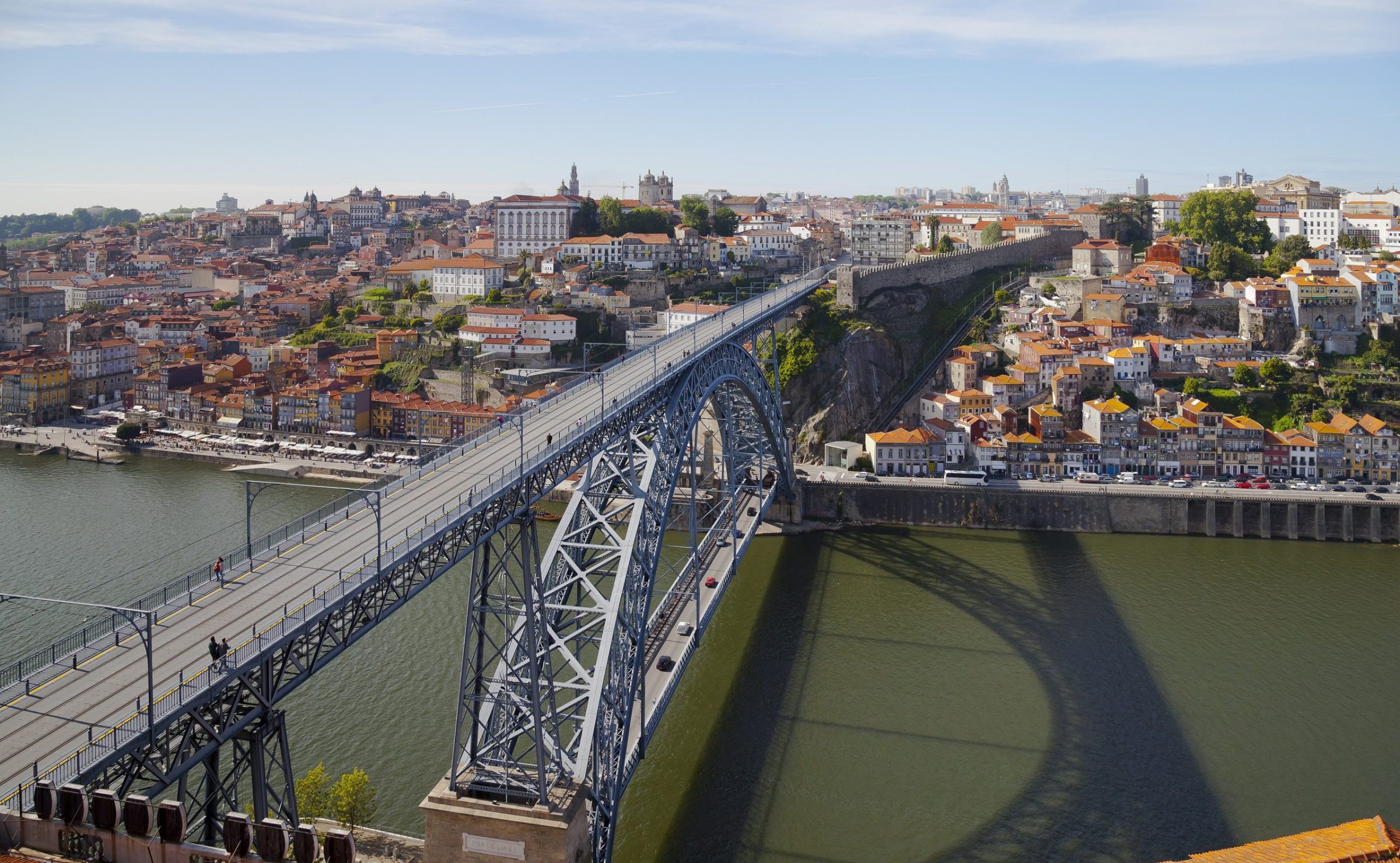
The Dom Luís I bridge and Porto’s old town. Photo: Diego Delso, CC BY-SA 3.0
Staying in Porto? Check dates at Villa Almada, a private pool villa a short walk from the river.
The right city for a couple on a long weekend is rarely the right city for a family with a week, and the differences come down to size, pace, cost and what sits within a day’s reach.
| What matters | Lisbon | Porto |
|---|---|---|
| Size | Capital; around 658,000 in the city and 3.35 million in the metro area | Second city; around 273,000 in the city and 1.9 million in the metro area |
| Feel | Big, bright, busy, with distinct neighbourhoods on seven hills | Compact, atmospheric, granite and tiles, built down a steep riverbank |
| Best for | First visits, museums, nightlife, beaches, variety | Food, port wine, long weekends, walking, the Douro Valley |
| Getting around | 4 metro lines, trams, lifts; you will use them | 6 metro lines, but the old town is walkable |
| Cost | Pricier, especially for rooms in summer | Usually better value for meals and stays |
| Weather | Warmer and sunnier, around 17.6°C on average across the year | Greener and wetter, with summers mostly between 16 and 26°C |
| Ideal stay | 4 to 5 days | 3 to 4 days |
Porto vs Lisbon Atmosphere: Which City Feels Bigger, Busier or More Romantic?
The first difference you notice is scale. Lisbon is a capital city of around 658,000 people inside a metropolitan area of more than three million, and it behaves like one. Neighbourhoods have their own identities, from the medieval lanes of Alfama to the shopping streets of Chiado and the bars of Bairro Alto, and getting between them usually means a tram, a metro ride or a steep climb.
Porto is less than half the size, with around 273,000 people in a municipality of just 41 square kilometres. Its historic centre, a UNESCO World Heritage Site since 1996, fits inside a twenty minute walk, and most of what you came to see is on the same slope running down to the Douro. That compactness is Porto’s great advantage for a short trip: you spend your time in the city rather than crossing it.
The mood is different too. Lisbon is sunnier, faster and more international, with a louder nightlife and a bigger food scene. Porto is quieter and more rooted, a working city of tiled churches and old wine lodges, and guests often describe it as the more romantic of the two. Neither is better. Lisbon rewards energy; Porto rewards slowing down.
For families, both work well, but in different ways. Lisbon offers more obvious attractions for children, including the Oceanarium and the beaches along the Cascais line. Porto is easier to manage day to day, because distances are short and the pace is gentler, although it is steep in places and pushchairs will need a plan.
Lisbon or Porto to Visit? The Best Sights and Attractions in Each City
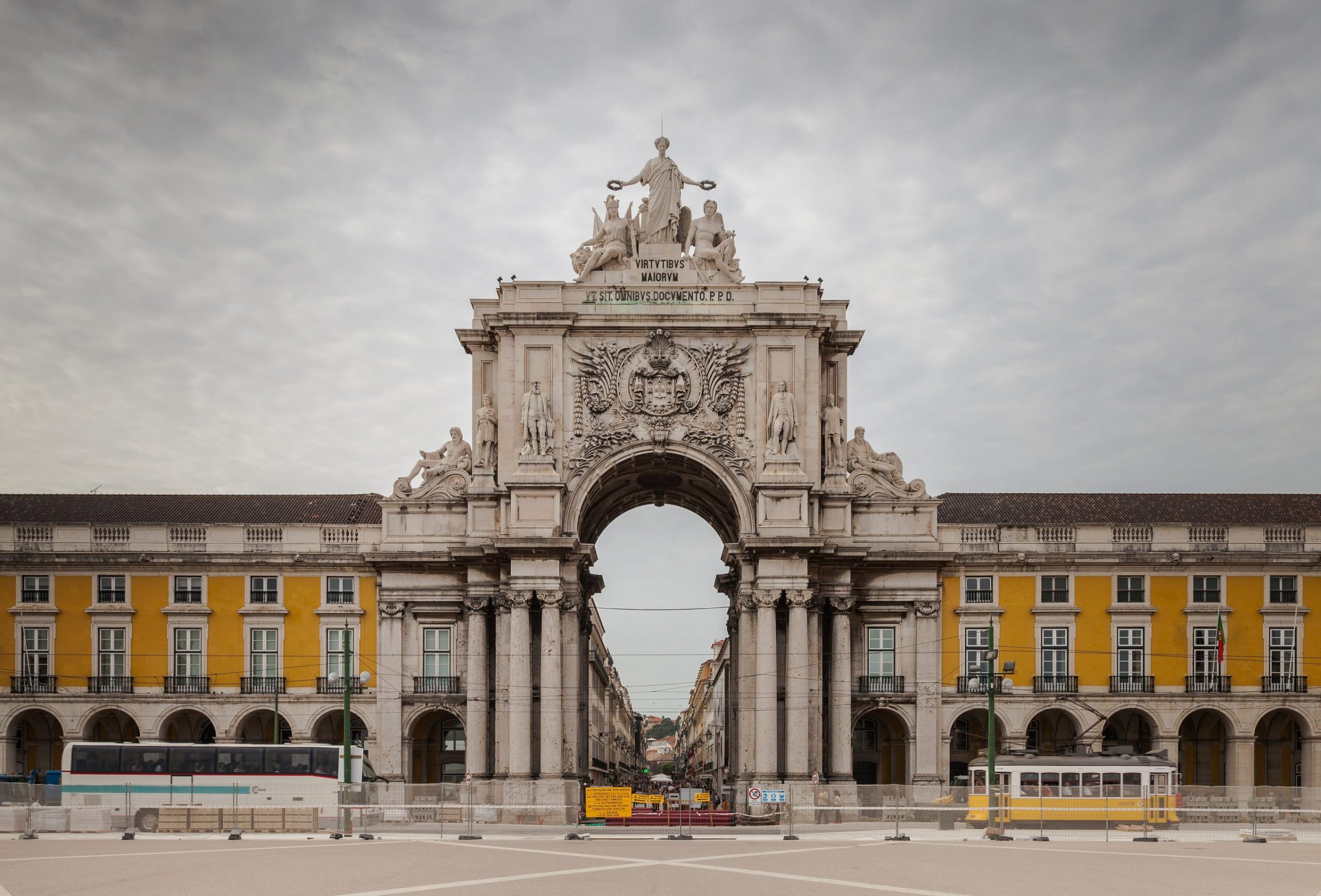
The Rua Augusta arch on Praça do Comércio, Lisbon. Photo: Diego Delso, CC BY-SA 3.0
Staying in Lisbon? Check dates at Casa Almada, our family apartment a short walk from the square.
Lisbon simply has more to see, and if you like a full itinerary it will keep you busy for longer. Porto has fewer headline sights, but they are close together and several of them are among the most memorable in the country.
Lisbon’s Highlights
Belém is the reason many people choose Lisbon. The Belém Tower and the Jerónimos Monastery were declared UNESCO World Heritage Sites together in 1983, and the district around them also holds the Monument to the Discoveries and the bakery that made the pastel de nata famous. It is a half day on its own and sits a short tram or train ride west of the centre.
Back in the centre, Alfama is the oldest district in the city and survived the great earthquake of 1755, so its lanes still follow a pattern that predates most of Lisbon. Above it sits São Jorge Castle, and between the two are the viewpoints, or miradouros, that give Lisbon its postcard views. Add the grand riverside square of Praça do Comércio, the yellow trams, the Gulbenkian museum and the Oceanarium, and you have enough for four or five full days.
Porto’s Highlights
Porto’s classic view is the Ribeira waterfront from the far bank, with the Dom Luís I bridge overhead. The bridge was designed by Théophile Seyrig, a former partner of Gustave Eiffel, and opened in 1886, and walking across its upper deck at sunset is the single best thing to do in the city. On the Gaia side, the port lodges run tours and tastings most of the day.
In the old town you have São Bento station with its tiled entrance hall, the cathedral, the Clérigos tower and Livraria Lello, all within a short walk of one another. Serralves, with its contemporary art museum and gardens, is the big cultural outing, and the Atlantic beaches at Foz and Matosinhos are an easy trip from the centre. Porto takes three days to see well; Lisbon takes four or five.
Porto vs Lisbon for Food and Drink: Port Wine, Francesinha and Pastel de Nata
Both cities eat well, but they eat differently. Lisbon has the larger and more varied scene, from traditional tascas serving grilled sardines to food halls, seafood restaurants and a growing number of chef-led places. If variety and choice matter most, Lisbon wins.
Porto has the stronger identity. This is the home of the francesinha, the layered sandwich under a hot beer and tomato sauce, of the roast pork bifana, and of port wine, which has been aged in the lodges across the river in Vila Nova de Gaia for centuries. Portions are generous, lunches run long, and the Douro Valley vineyards are close enough for a day of tastings.
If your trip is built around eating and drinking, and particularly around wine, Porto is the better choice. If you want range, late dinners and a bit of everything, choose Lisbon. Both have excellent pastries, and both have fado, although Lisbon is its spiritual home.
Is Porto Better Value Than Lisbon? Porto vs Lisbon Costs for Food, Transport and Hotels
Porto usually offers the better value of the two, and the difference shows most in accommodation and restaurants. Lisbon’s popularity pushes up room rates, particularly in summer and around the old town, while Porto still offers better value for the same standard of stay. Day-to-day costs such as coffee, pastries and public transport are modest in both.
Neither city is expensive by Western European standards, and your biggest cost in either will be where you sleep. For the detail, our guide to whether Porto is expensive breaks down meals, transport and rooms with sample daily costs, and our Lisbon team has written the same guide on what Lisbon costs.
| Cost | Lisbon | Porto |
|---|---|---|
| Places to stay | Higher, especially in summer and near the old town | Usually lower for the same standard |
| Eating out | Wide range, tourist areas priced up | Generally better value, generous portions |
| Getting around | You will use transport most days | Mostly walkable in the centre |
| Big-ticket sights | More paid attractions to plan for | Fewer, with port tastings the main extra |
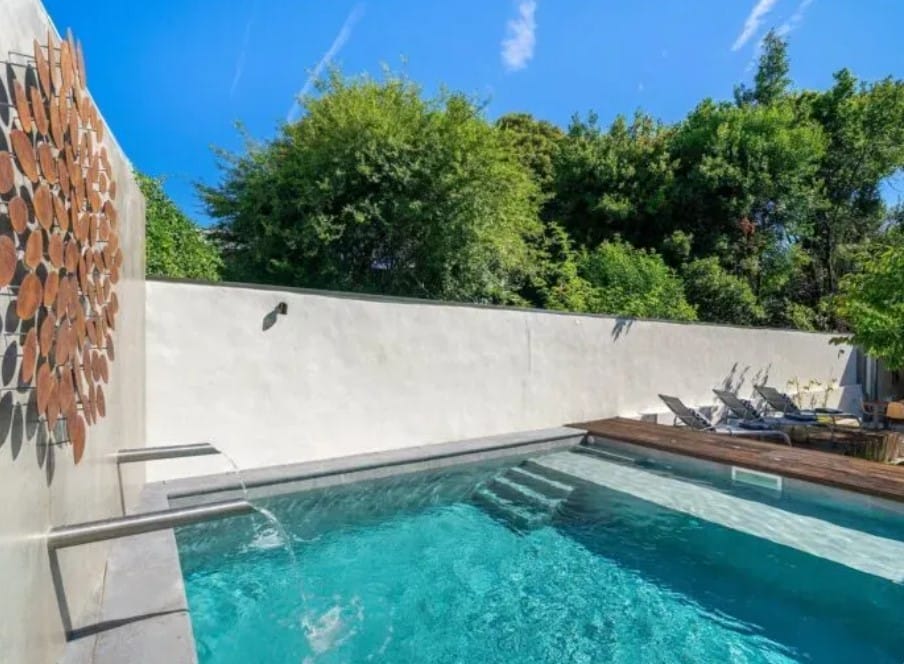
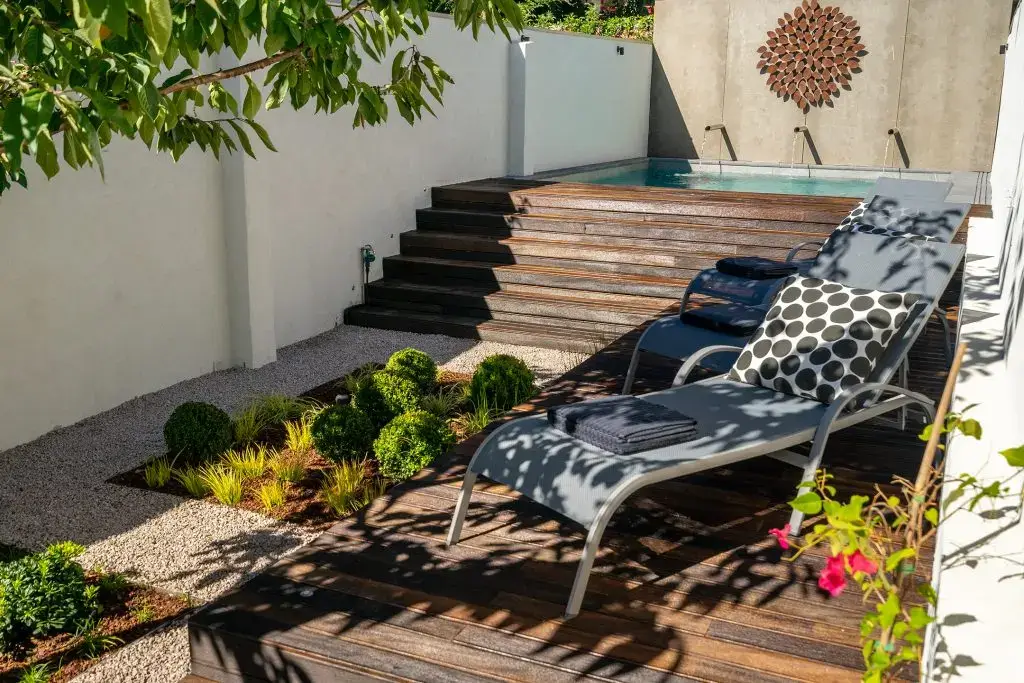
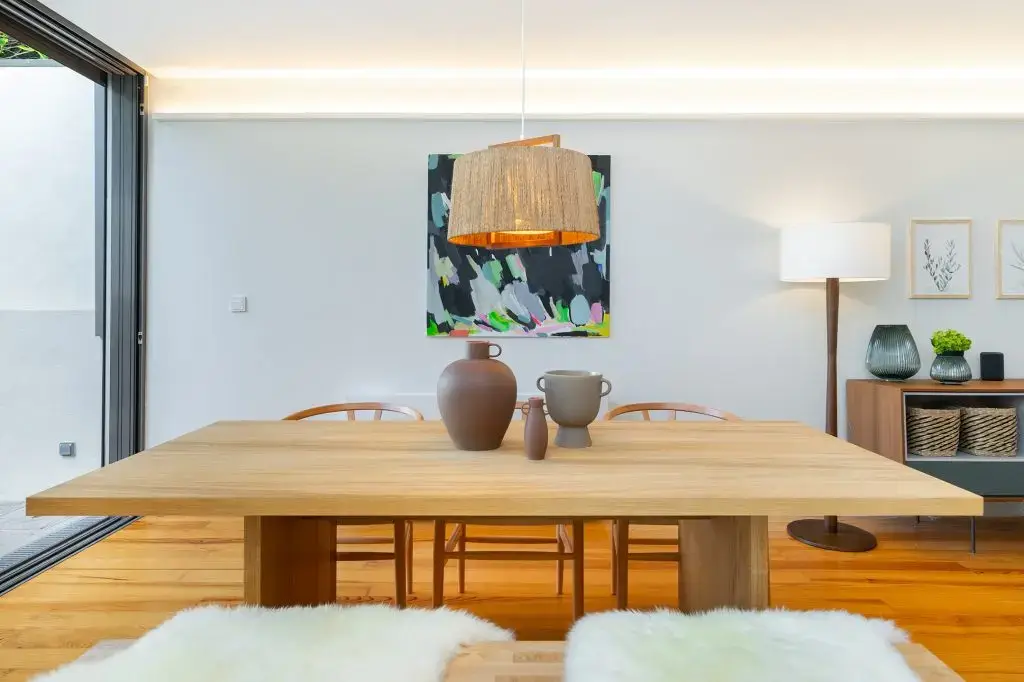
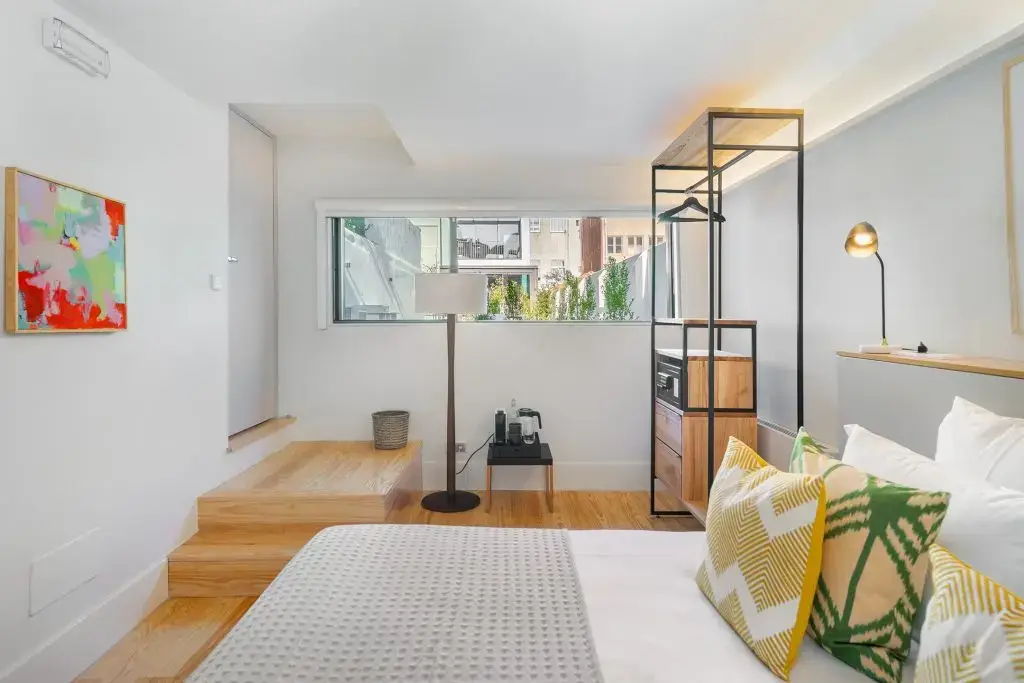
Villa Almada Gallery: Your Porto Base With a Private Pool
A whole villa with its own pool, terrace and garden in central Porto. Swipe to see more.


Getting Around Porto vs Lisbon, and the Best Way to Travel From Lisbon to Porto

An Alfa Pendular train at Lisbon Santa Apolónia. Photo: Threeohsix, CC BY-SA 4.0
Lisbon is spread over hills and you will use its transport most days. The metro has four lines and 56 stations, and it is backed up by trams, buses and a handful of historic lifts and funiculars that take the sting out of the steepest climbs. The airport is unusually close to the city, and the metro reaches downtown in around twenty minutes.
Porto’s metro is larger than you might expect, with six lines and 85 stations, and Line E runs straight from the airport into the city. In practice, though, most visitors walk the historic centre and only use the metro for the airport, the beaches and the stadium. Our guide to the Andante card explains which ticket you actually need.
Between the two cities, the train is the obvious choice. The Alfa Pendular tilting train was launched on this route in 1999, reaches up to 220 km/h and connects Lisbon Santa Apolónia and Oriente with Porto Campanhã in about three hours. Tickets are sold on the official CP Comboios de Portugal site and are best booked a few days ahead. Coaches take longer, and driving only makes sense if you want to stop at Coimbra or Aveiro on the way.
Travelling Between Lisbon And Porto
- Train: about three hours on the Alfa Pendular, the best all-round option
- Coach: an hour or so slower than the train
- Car: worth it only for a road trip via Coimbra, Aveiro or Óbidos
- Flying: an hour in the air but rarely faster door to door
- Open-jaw flights: fly into one city and home from the other to avoid doubling back
Best Day Trips: Lisbon or Porto for Sintra, the Douro Valley and the Coast?
Both cities have excellent day trips, and for some guests this is what decides it. From Lisbon, Sintra is the headline: a UNESCO-listed hill town of palaces, castles and romantic gardens, under an hour away by train. The Cascais line runs along the coast to the beaches, and further afield there is the walled town of Óbidos and the Roman temple at Évora.
From Porto, the Douro Valley is the reason many people come at all. Terraced vineyards line the river inland, and you can reach them by train, by river cruise or on a quinta tour; our guide to getting from Porto to the Douro Valley compares the options. Closer in, Braga and Guimarães are each about an hour away, and Aveiro, with its canals and painted boats, is an easy trip south.
If you love palaces and the coast, Lisbon’s day trips are stronger. If wine and countryside appeal more, Porto’s are hard to beat.
Where to Stay in Porto vs Lisbon: The Best Areas to Base Yourself in Each City

A quiet street in Alfama, Lisbon. Photo: Alvesgaspar, CC BY-SA 3.0
Casa Almada is in Lisbon’s old town, with Tram 28 at the bottom of the street. Check availability.
Where you stay shapes both trips more than almost anything else, because both cities are hilly and both reward being able to walk out of the door into the old town. In Lisbon, the classic bases are Baixa and Chiado for convenience and Alfama for atmosphere; staying further out costs you time on public transport. Our Lisbon team’s guide to the best neighbourhoods in Lisbon covers each one.
In Porto, the flat part of central Porto around Baixa and the streets above the old town are the easiest base, with Ribeira on the doorstep and far fewer hills to climb home at night. Both cities have plenty of hotels, but for families and small groups a whole apartment or villa usually works out better, with a kitchen, space to spread out and a place to sit that is not the bed.
If you are doing both cities, we can look after you at each end. These are our two properties, both run by the same team with the same standards.
In Porto: Villa Almada
- A whole villa with a private pool, terrace and garden
- Two suites with super king beds, each with its own bathroom
- Sleeps 6 plus 2 infants
- Daily breakfast and daily cleaning included
- A short walk from Porto’s old town
- From €269 a night
In Lisbon: Casa Almada
- A whole 220 m² apartment in Lisbon’s old town
- Three bedrooms and two bathrooms, with super king beds that split into singles
- Sleeps 9 guests plus 2 infants, with 3 toddler beds available
- A rooftop terrace with views over the Lisbon skyline
- Tram 28 at the bottom of the street and the cathedral around the corner
- São Jorge Castle about ten minutes on foot
- From €219 a night, see Casa Almada
Best Place to Stay in Porto and Lisbon: Villa Almada vs Casa Almada Compared
If you are splitting your trip between the two cities, the simplest plan is to stay with the same team at both ends. Villa Almada in Porto and Casa Almada in Lisbon are both Espais Roca homes, restored and furnished to the same standard, and both are designed for families and friends who want space, a proper kitchen and somewhere to come back to that feels like a home rather than a hotel room.
They are different kinds of stay, though: one has a pool, the other has more bedrooms and a rooftop, and the right choice depends on the size of your group.
| Compare | Villa Almada, Porto | Casa Almada, Lisbon |
|---|---|---|
| Type of stay | A whole villa with a private pool, terrace and garden | A whole 220 m² apartment with a rooftop terrace |
| Location | Central Porto, in the garden of the Canto de Luz Maison, a short walk from the old town | Lisbon’s old town, with Tram 28 at the bottom of the street and the cathedral around the corner |
| Sleeps | 6 guests plus 2 infants | 9 guests plus 2 infants |
| Bedrooms and bathrooms | 2 suites with super king beds, each with its own bathroom | 3 bedrooms with super king beds and 2 bathrooms |
| Standout feature | Your own private pool in the city centre | Rooftop terrace with city views and original art by local Lisbon artists |
| For families | Private garden and pool, full kitchen, washer and dryer | Baby cot, high chair, 3 toddler beds, toys, puzzles and board games |
| Entertainment | Smart TV, Netflix, popcorn machine and Alexa | Netflix, Xbox with games, Alexa and air conditioning throughout |
| Included | Daily breakfast and daily cleaning | Wine fridge, fully equipped kitchen and a business-friendly work space |
| Best for | Families and couples who want a pool and hotel-style service | Larger families and groups of friends who want room to spread out |
| Price from | €269 a night | €219 a night |
Casa Almada, Our Home in Lisbon
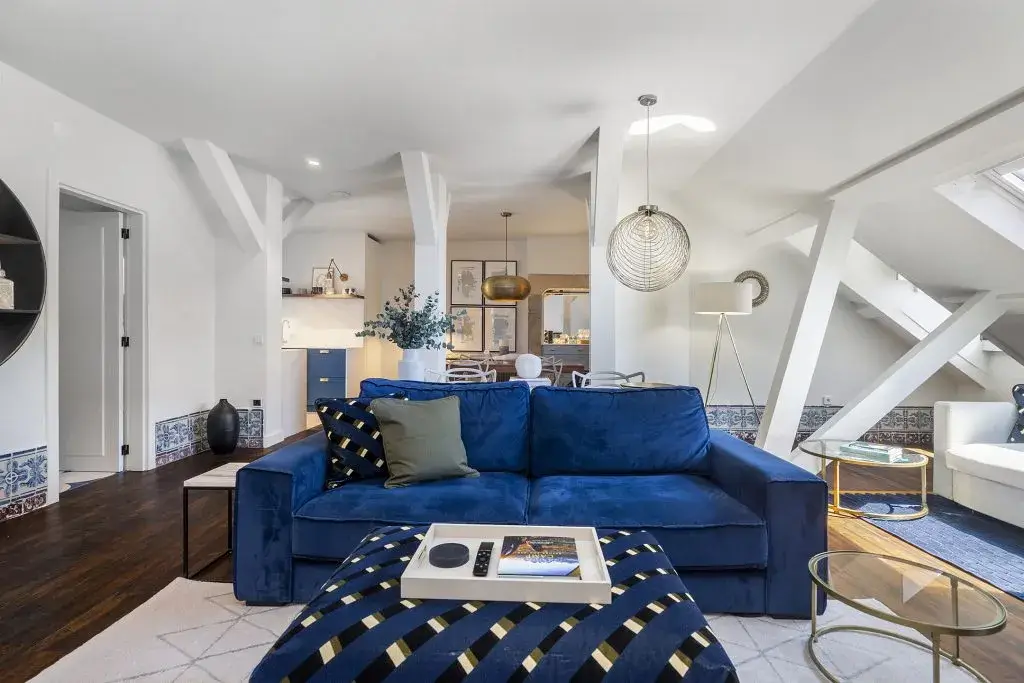
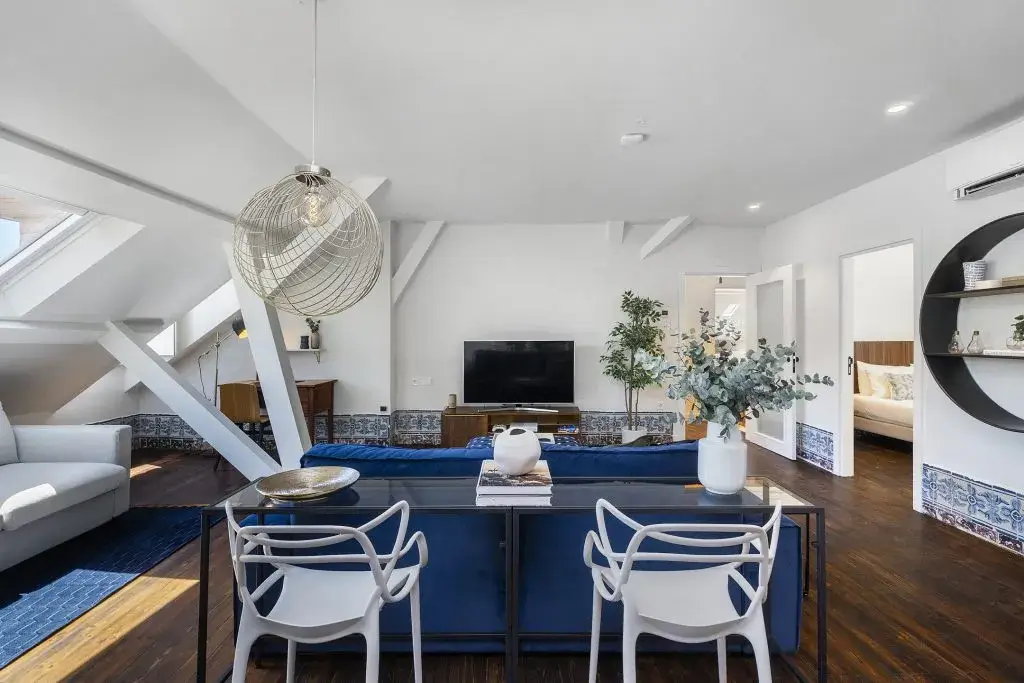
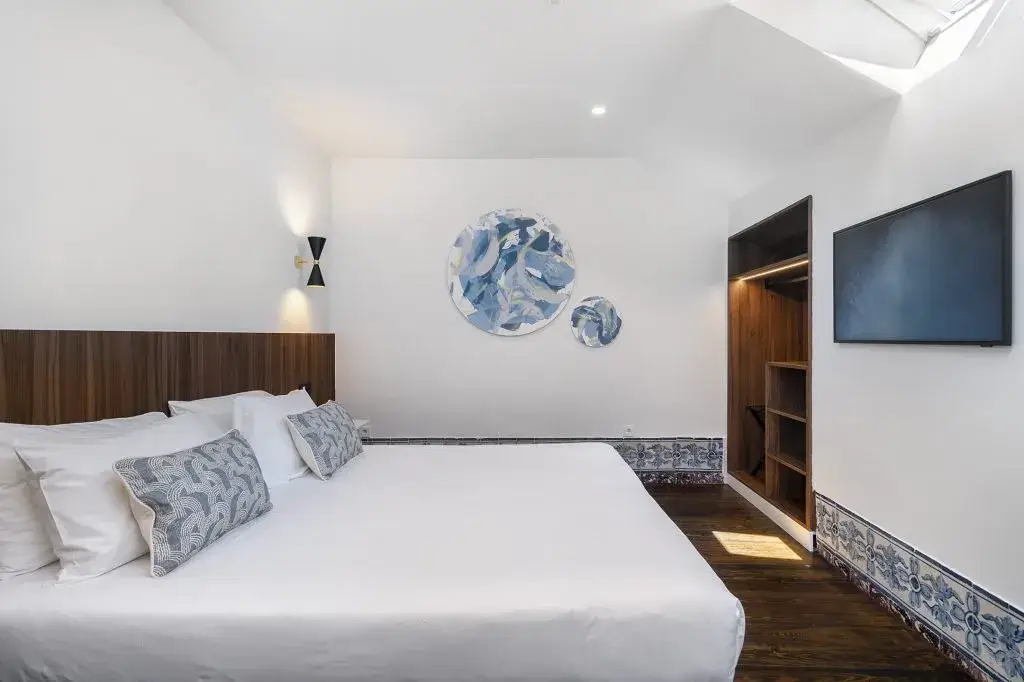
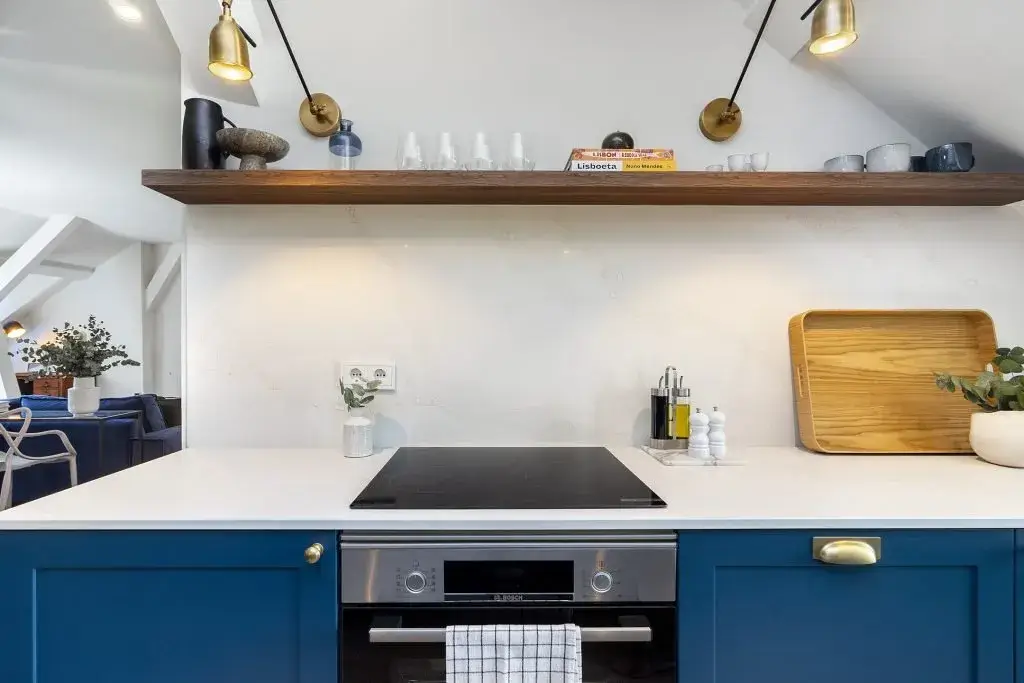
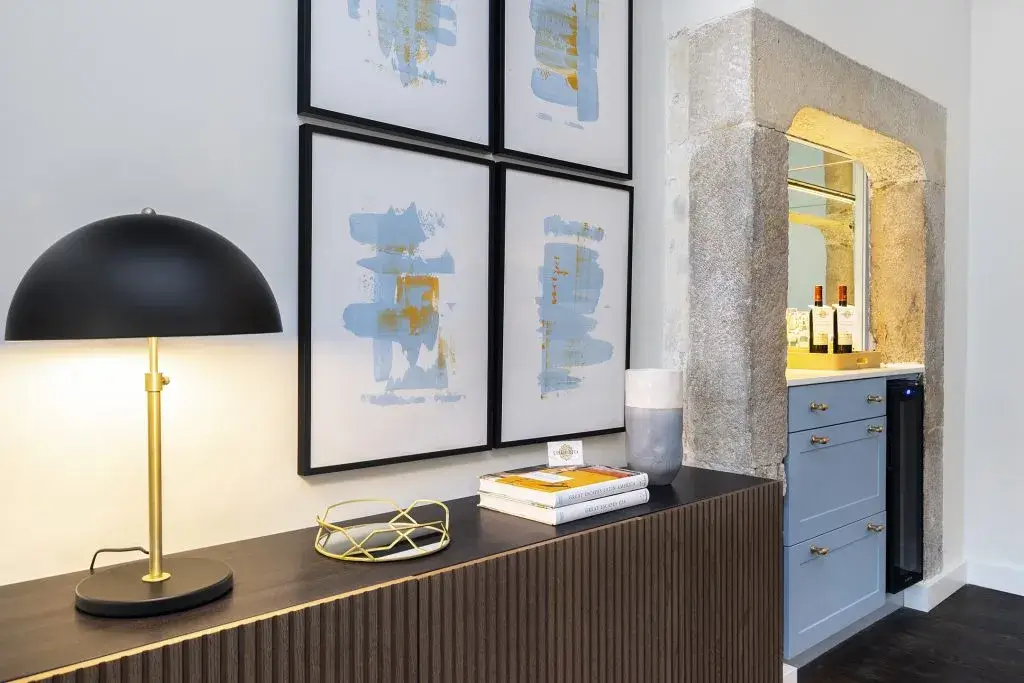
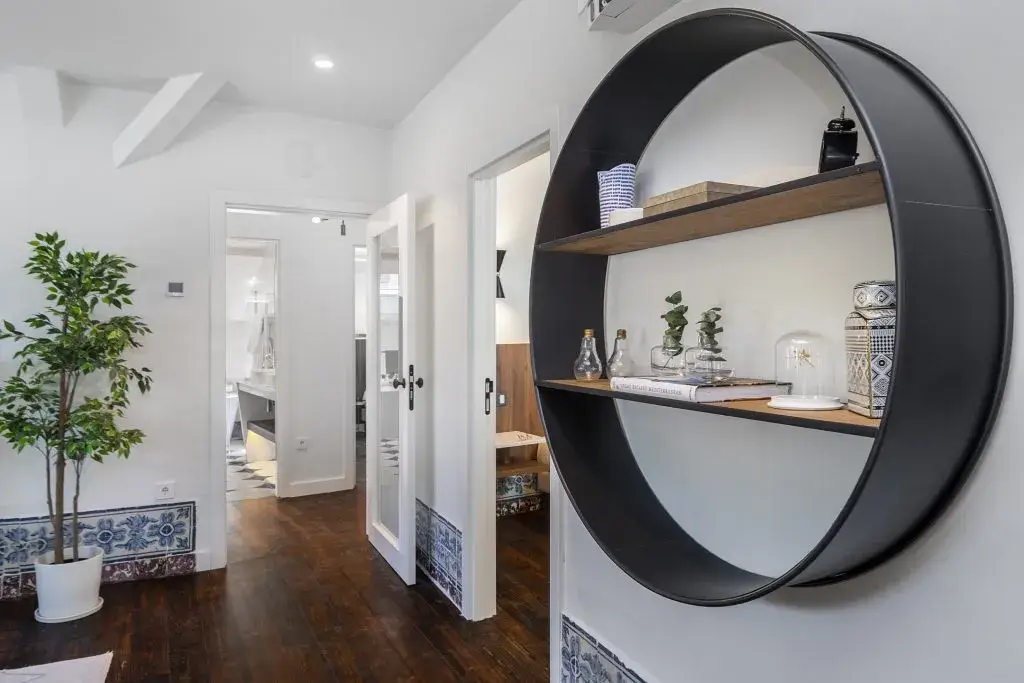
Casa Almada is a 220 m² apartment in the old town, restored with bespoke furnishings and filled with abstract and contemporary artwork by local Lisbon artists. The rooftop terrace looks out over the city skyline and is the part of the apartment guests talk about most. Inside there are three bedrooms, two bathrooms, a modern dining room and a fully equipped kitchen, with air conditioning throughout.
It is set up properly for children, with a baby cot, a high chair, baby plates and cutlery, three toddler beds, toys, puzzles, family board games and an Xbox loaded with games, plus a large golf umbrella for the occasional Lisbon shower. We usually greet guests in person, and for late arrivals there is self check-in with a personal door code. Tram 28 stops at the bottom of the street, the cathedral is around the corner, and São Jorge Castle is about ten minutes on foot.
Casa Almada Gallery: Your Lisbon Base in the Old Town
A whole apartment for up to 9 guests, a short walk from the old town. Swipe to see more.
“Espais Roca have a handful of holiday properties dotted across Europe and I can honestly say they all deliver such an amazing experience. The attention to detail is incredible.”
westlee wallace · Family, holiday · ★★★★★ 5/5 on Google
Porto or Lisbon: Which Is Better to Visit for Your Trip?
If you only have three or four days and this is your first time in Portugal, choose the city whose strengths match the trip you want rather than the one with the longer list of sights.
Choose Lisbon If
- It is your first trip to Portugal and you want the most variety
- You like museums, monuments and a full itinerary
- Beaches and the coast are part of the plan
- You want nightlife and late dinners
- Sintra is on your list
Choose Porto If
- You have a long weekend and want to walk everywhere
- Food, port and wine are the point of the trip
- You want the Douro Valley
- You prefer a calmer, more romantic pace
- Value for money matters
If you have a week, stop choosing and do both. The train makes it easy, the two cities complement each other, and seeing one after the other is the best way to understand either.
Lisbon and Porto Itinerary: How to Split 5, 7 or 10 Days Between the Two Cities
Most of our guests who combine the two give Lisbon a day or two more than Porto, because it has more to see and its day trips take longer. Porto needs three days to see well, and four if you want the Douro Valley or a trip to Braga. Our guide to how many days you need in Porto has the detail for that end of the trip.
| Trip length | Lisbon | Porto | Notes |
|---|---|---|---|
| 5 days | 3 days | 2 days | Tight; skip day trips |
| 7 days | 4 days | 3 days | Room for Sintra |
| 8 days | 4 days | 4 days | Adds the Douro or Braga |
| 10 days | 5 days | 5 days | Both cities at an easy pace, with day trips from each |
Which city first? It matters less than people think. If you are flying from the UK, look at open-jaw flights into one city and home from the other, which saves a three-hour journey back. If you have a choice, finishing in Porto tends to suit people well, because its slower pace is a good way to end a trip.

A Note From Susan
“Guests often tell me they came to Porto for two days as an add-on to Lisbon and wished they had given it longer. My advice is to see both if you can, give Lisbon the first half of the week, and let Porto be the place you slow down at the end. Book the train as soon as your dates are fixed, because the best fares go early.”
Susan, founder of Espais Roca
“Great staff and wonderful rooms. Breakfast is incredible. Very nice locations. We loved our time there.”
Robert Fitzgerald · Couple, holiday · ★★★★★ 5/5 on Google
Porto vs Lisbon: Frequently Asked Questions
Is Porto Or Lisbon Better For A First Visit?
Lisbon is the better choice for most first visits because it has more sights, more variety and easy day trips to Sintra and the coast. Porto suits a first visit if you have only a long weekend, love food and wine, or want a slower and more walkable trip.
Is Porto Better Value Than Lisbon?
Yes, Porto usually offers better value, and the difference is clearest in accommodation and restaurants. Everyday costs such as coffee, pastries and public transport are modest in both cities, so where you stay makes the biggest difference to what you spend.
Is Porto Prettier Than Lisbon?
Many visitors find Porto the more beautiful of the two, with its tiled churches, granite old town and the Dom Luís I bridge over the Douro. Lisbon has more grand viewpoints and a brighter, sunnier look. It comes down to whether you prefer atmosphere or light.
How Many Days Should I Spend In Lisbon And Porto?
Allow seven to eight days to see both properly, giving Lisbon four days and Porto three or four. With five days, split it three and two and skip the day trips. With ten days you can see both at an easy pace and add day trips from each.
Should I Go To Porto Or Lisbon First?
It matters less than your flights. Book an open-jaw ticket into one city and home from the other to avoid travelling back. If you can choose, starting in Lisbon and finishing in Porto works well, because the slower pace in Porto is a relaxing way to end the trip.
How Do You Get From Lisbon To Porto?
The Alfa Pendular train is the best option and takes about three hours from Lisbon Santa Apolónia or Oriente to Porto Campanhã. Coaches take longer, driving suits a road trip with stops, and flying is rarely quicker once you add airport time.
Is Porto Or Lisbon Better For Families?
Both work well. Lisbon has more for children to do, including the Oceanarium and nearby beaches, while Porto is easier to manage day to day because distances are shorter and the pace is gentler. Staying in an apartment or villa with a kitchen makes either city easier with children.
Can You Do Porto As A Day Trip From Lisbon?
You can, but we would not recommend it. The train takes about three hours each way, leaving only a few hours in Porto. Staying at least two nights lets you see the old town, cross the river to the port lodges and enjoy the city in the evening.
Make Porto Your Base
Villa Almada is a whole villa with its own pool, kitchen and garden in central Porto, a short walk from the old town and the river. Sleeps 6 plus 2 infants, with daily breakfast and daily cleaning included. From €269 a night.
Check AvailabilityPhotography by Diego Delso and Alvesgaspar (CC BY-SA 3.0) and Threeohsix (CC BY-SA 4.0), via Wikimedia Commons.