
Braga sits about 55 km north of Porto and is one of the easiest day trips in Portugal. Here is how to get there, what it costs, and what is actually worth your time once you arrive.
Planning your stay?
Luxury Villa Stays at Villa Almada — check availability and book direct.
At A Glance
The train is the best way to get from Porto to Braga: roughly one hour from São Bento or Campanhã, running most of the day, and cheaper than any other option.
- Braga is about 55 km north of Porto, comfortably a day trip
- Train: around 1 hour on the urban line, the simplest option
- Bus: similar journey time, occasionally cheaper, less frequent
- Car: roughly 45 minutes on the A3, useful for Bom Jesus and Sameiro together
- Allow 6 to 8 hours to do Braga properly, or make it an overnight if you want the evening
Braga is one of the oldest cities in Portugal, founded by the Romans as Bracara Augusta, and it has been the religious centre of the country for most of the time since. That history shows: the cathedral is the oldest in Portugal, the old town is dense with baroque churches, and the hillside sanctuary of Bom Jesus do Monte is a UNESCO World Heritage Site. It is also a university city, which keeps the squares busy and the food cheap.
From a base in central Porto it is genuinely straightforward. We send guests at Villa Almada up there regularly, usually on the train, and the walk from Rua do Almada to São Bento station takes about six minutes. If you are still working out how many days to give the region, our guide to where to stay in Porto covers which districts put you closest to the stations.
This guide covers all three ways of getting from Porto to Braga, what each realistically costs and takes, the five things worth seeing when you arrive, and how long to allow.
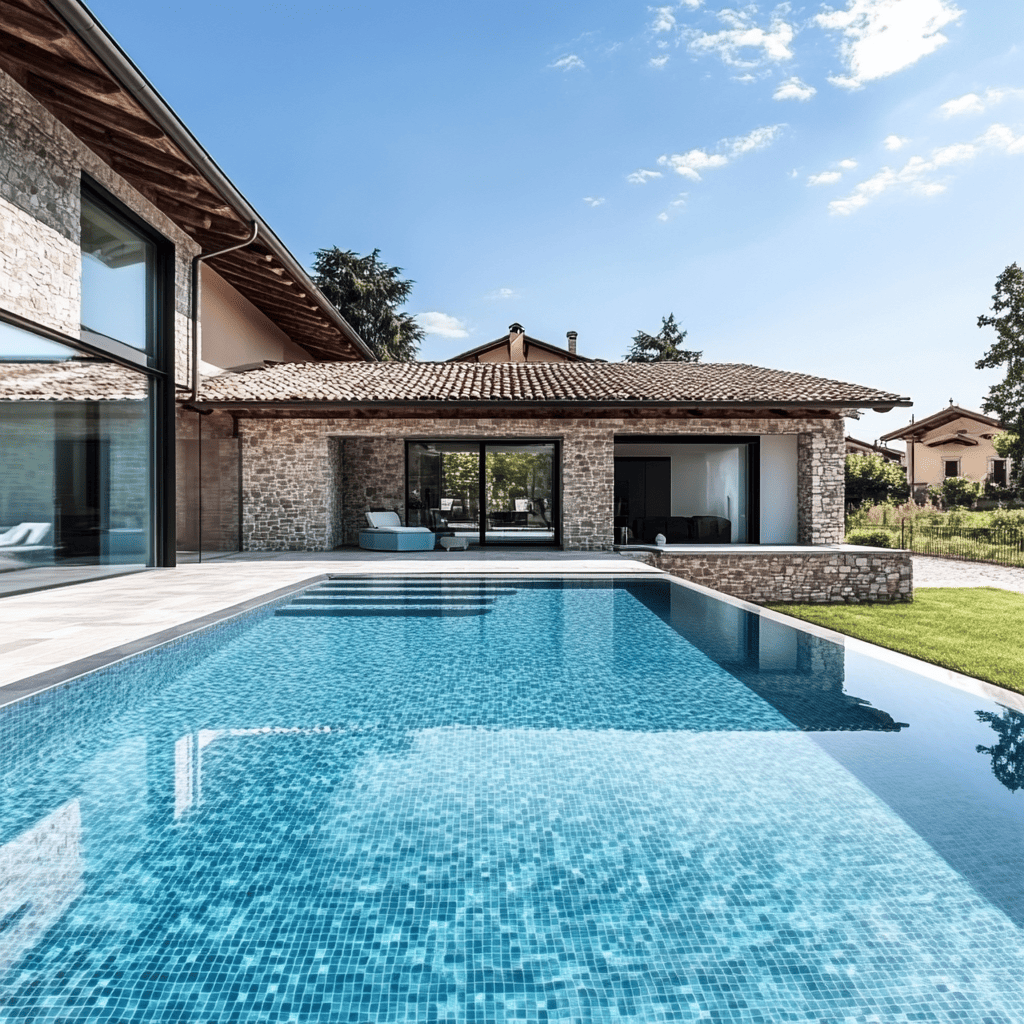
Making Porto your base? Villa Almada is a private villa with its own pool and garden on Rua do Almada, six minutes from São Bento station. Sleeps 6 plus 2 infants, daily breakfast included. From €269 a night.
See the Villa RentalGetting from Porto to Braga: Every Option Compared
All three options land you in central Braga within about an hour. The choice comes down to whether you want to visit Bom Jesus do Monte on the same trip, and how many of you are travelling.
| Option | Journey time | Departs from | Best for |
|---|---|---|---|
| Train (Linha do Minho) | ~1 hour | São Bento or Campanhã | Almost everyone; simplest and cheapest |
| Bus | ~1 hour | Campanhã coach terminal | Occasional cheaper fares, direct to some suburbs |
| Car | ~45 min via A3 | Anywhere | Combining Braga with Bom Jesus, Sameiro and Guimarães |
| Guided tour | Full day | Central Porto pickup | Braga and Guimarães together with no planning |
Journey times are typical rather than guaranteed. Check Comboios de Portugal (CP) for current train times and fares before you travel, as timetables change seasonally.
Porto to Braga by Train
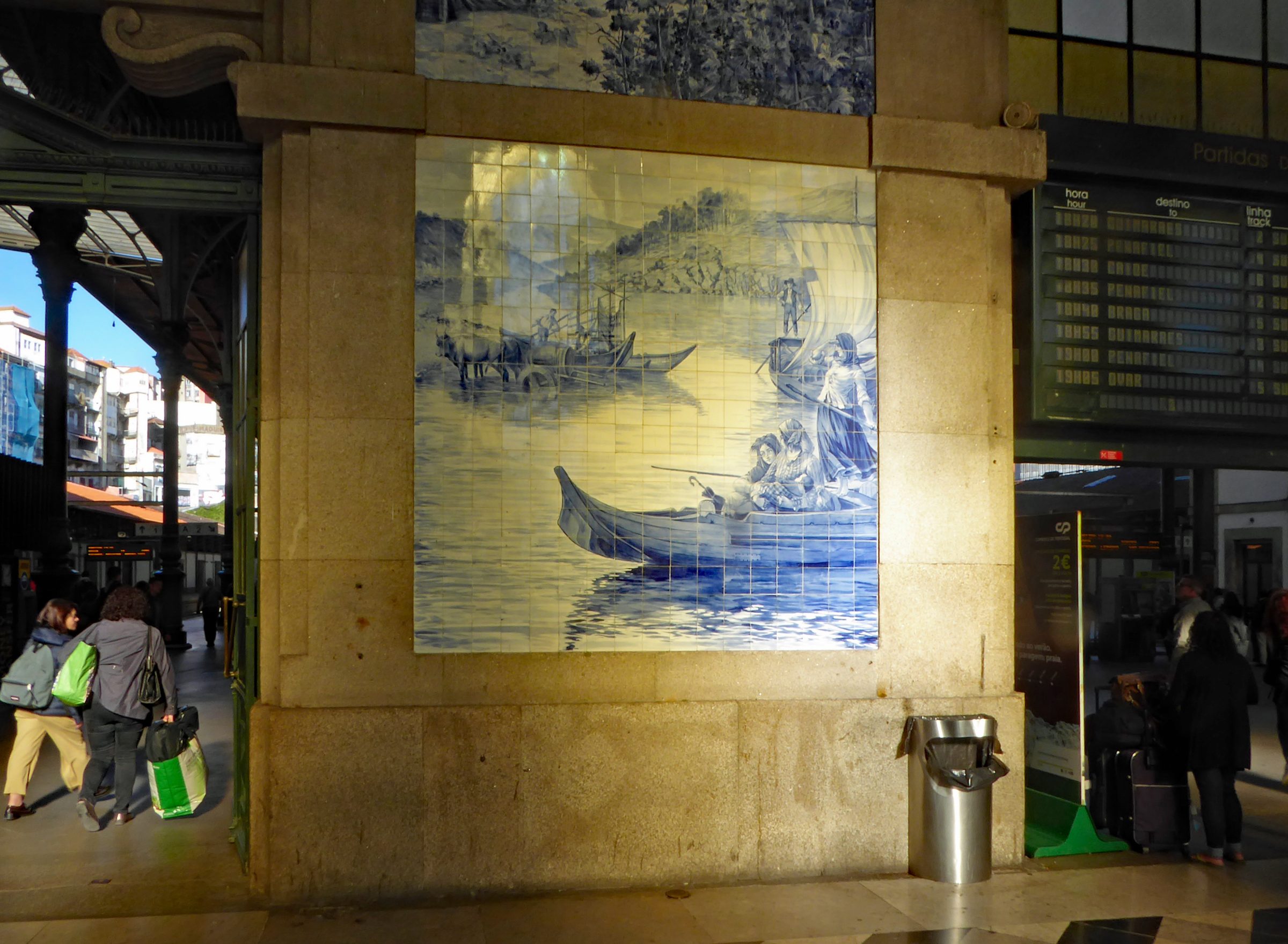
The train is what we recommend to almost everyone. Services run on the urban line north from Porto and take roughly an hour, with departures through most of the day rather than at scattered intervals. You do not need to book in advance for the urban service, which means you can decide over breakfast that today is the Braga day.
Trains leave from two stations. São Bento is the beautiful one in the middle of town, the one with twenty thousand azulejo tiles in the entrance hall, and it is the more convenient departure point if you are staying centrally. Campanhã is the larger interchange to the east and is where longer-distance services originate. Some Braga trains start at Campanhã and call at São Bento a few minutes later, so check which your service uses.
Braga’s station sits about a fifteen minute walk from the historic centre, or a short bus ride if you would rather not. If you are travelling on from Braga to Guimarães, note that there is no direct line between the two, so it means returning towards Porto and changing.
For getting to the station itself, the Andante card covers Porto’s metro and buses, though the Braga train is a separate CP ticket.
Porto to Braga by Bus
Coaches run from the terminal near Campanhã and take a similar hour, sometimes slightly less when the motorway is clear. Fares are occasionally lower than the train, particularly if you book ahead online, and some services drop you closer to specific parts of Braga than the railway station does.
The drawback is frequency and flexibility. Buses run less often than the urban train, and a missed connection costs you more of the day. For a day trip where you want to keep your options open, the train remains the easier choice. The bus makes more sense if you have found a good advance fare or if your accommodation is closer to Campanhã than to São Bento.
Porto to Braga by Car
Driving takes around 45 minutes on the A3 motorway, which is tolled. Hiring a car for a single day trip is rarely worth it if Braga is your only destination, because parking in the old centre is limited and the train is simpler.
Where the car earns its place is if you want Bom Jesus do Monte and the Sameiro sanctuary on the same day, both of which sit on hills outside the city, or if you plan to combine Braga with Guimarães. Doing that circuit by public transport is possible but eats the day. With a car you can see all three comfortably between breakfast and dinner.
Before You Set Off
- Check the return timetable before you leave Porto, not when you are ready to come home
- Braga is inland and runs a few degrees warmer than Porto in summer, cooler in winter
- The Bom Jesus stairway is long and steep; there is a funicular if you would rather not climb
- Many churches close for a long lunch, so build the afternoon around the gardens and squares
- Sunday morning is quiet and atmospheric but several places open late
Best Things to Do in Braga
Braga is compact enough to walk, with the exception of Bom Jesus and Sameiro, which are outside the centre. These five are the ones we would prioritise on a single day.
1. Bom Jesus do Monte
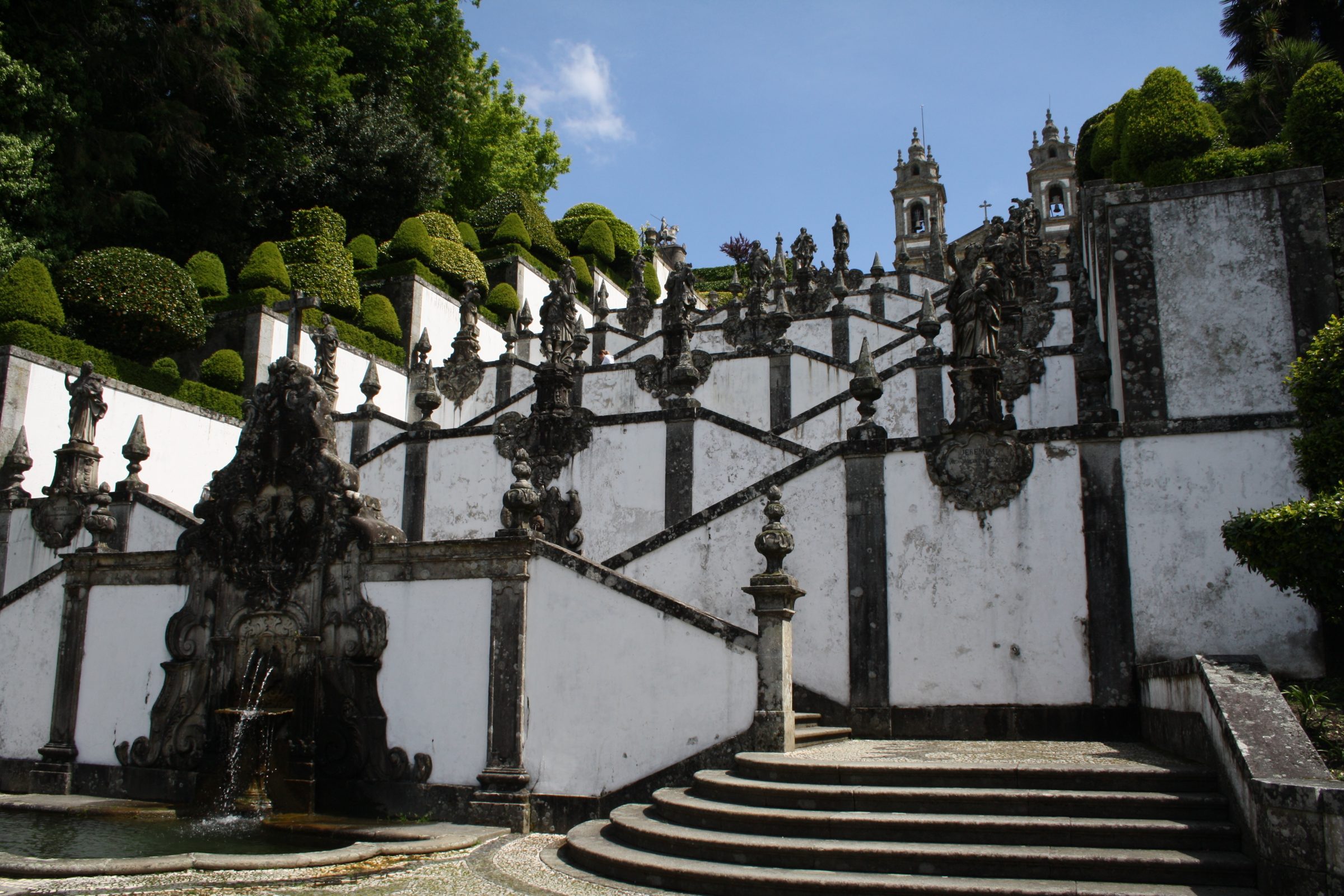
The single reason most people come. A baroque pilgrimage sanctuary on a wooded hillside above the city, reached by a zigzagging stone stairway that climbs in a series of landings, each with fountains representing the senses and the virtues. It was inscribed as a UNESCO World Heritage Site in 2019, and photographs do not really convey the scale of it.
If you would rather not climb, the water-powered funicular has been running since 1882 and is the oldest of its kind in the world, which makes the ride a small attraction in itself. Our suggestion is to take the funicular up, look around the church and the grounds at the top, and walk down the stairway, which is the direction that gives you the view.
2. Braga Cathedral (Sé de Braga)
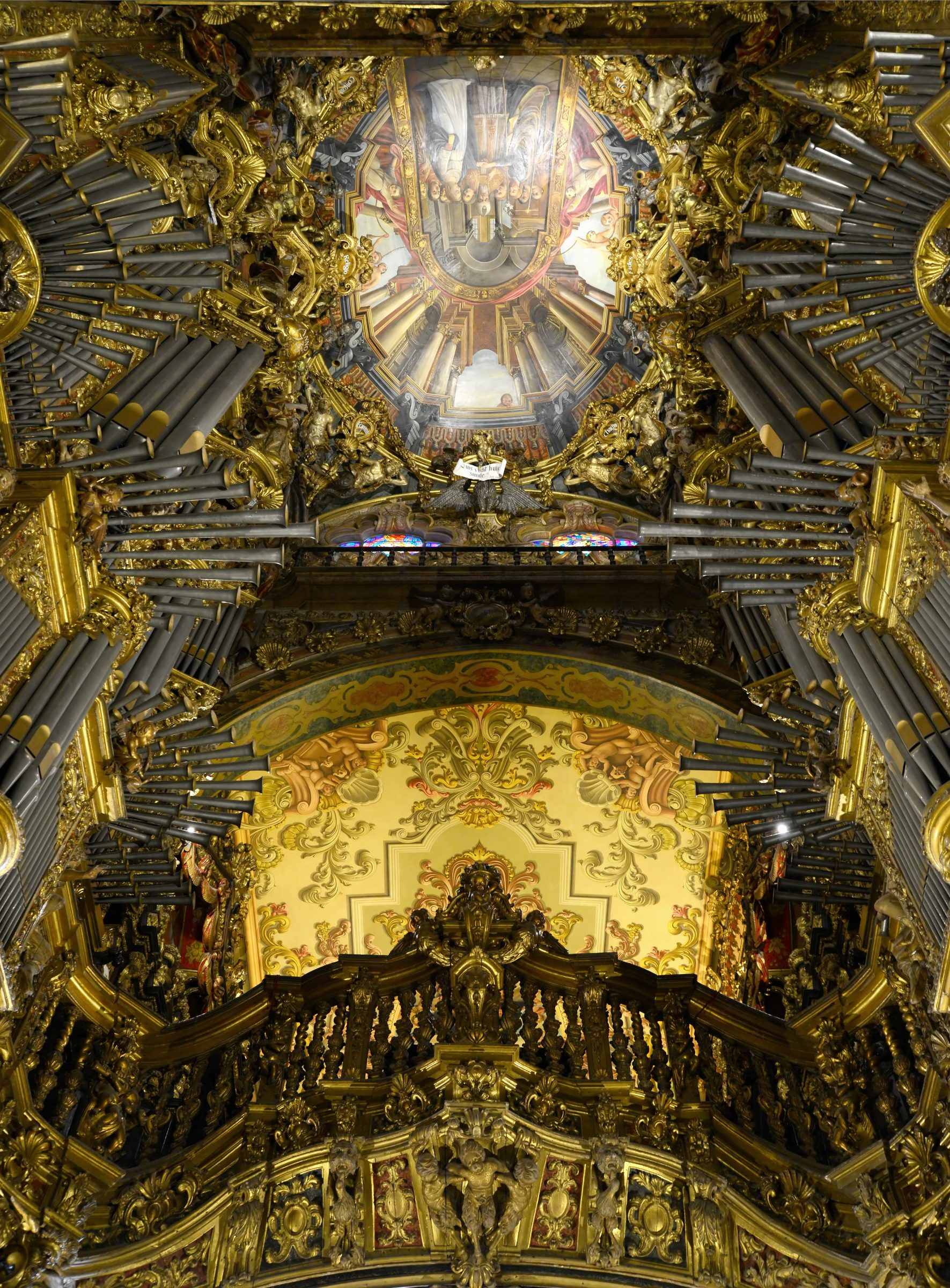
The oldest cathedral in Portugal, begun in the eleventh century and added to more or less continuously since, which is why the exterior reads Romanesque and the interior is full of baroque. The treasury museum holds a genuinely impressive collection of religious art, and the chapel of the kings contains the tombs of the parents of Portugal’s first king.
Practically, it sits at the heart of the old town and takes about an hour with the museum, less without. Entry to the cathedral itself is generally free, with a charge for the treasury and the choir; check current prices on arrival as they are reviewed periodically.
3. Jardim de Santa Bárbara
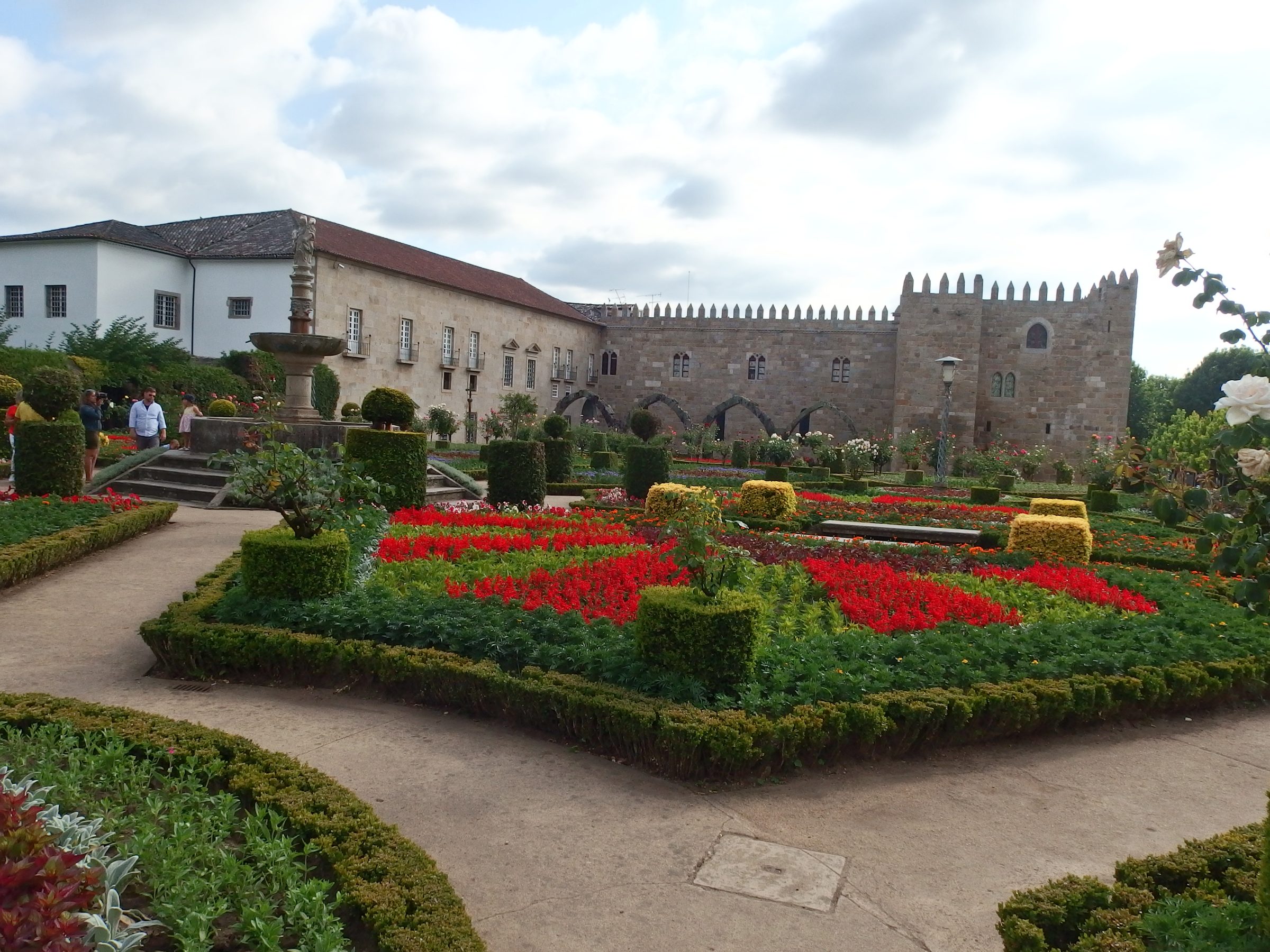
A small formal garden laid out against the medieval wing of the Archbishop’s Palace, with clipped box hedging, seasonal bedding and a great deal of colour from late spring onwards. It is the prettiest corner of central Braga and takes fifteen minutes.
The cafes along the arcade beside it are a reasonable lunch stop, and the garden is a good place to sit if you have climbed Bom Jesus in the morning. If you like this sort of thing, our guide to Porto’s parks and gardens covers the equivalents back in the city.
4. Praça da República and the Old Town
The main square anchors the pedestrianised centre, with cafes under the arcades on two sides. Café A Brasileira and Café Vianna have both been trading here for well over a century and are the traditional stop for a coffee and a pastry.
From the square, the streets running west take you past the cathedral, a run of baroque churches and the Roman remains at Termas Romanas do Alto da Cividade. Braga is dense enough that wandering without a plan works better here than in most Portuguese cities, and the whole old town can be covered in a couple of hours.
5. Sanctuary of Sameiro
A second hilltop sanctuary a few kilometres beyond Bom Jesus, larger and much plainer, with the widest view in the region on a clear day. It is a pilgrimage site rather than an architectural one, and on a good afternoon you can see across the Minho.
This is the one that really needs a car. Reaching it by public transport is awkward, and it is the natural second stop if you have driven up for Bom Jesus. Skip it if you are on the train and short of time.
Your Porto Base in the Old Town
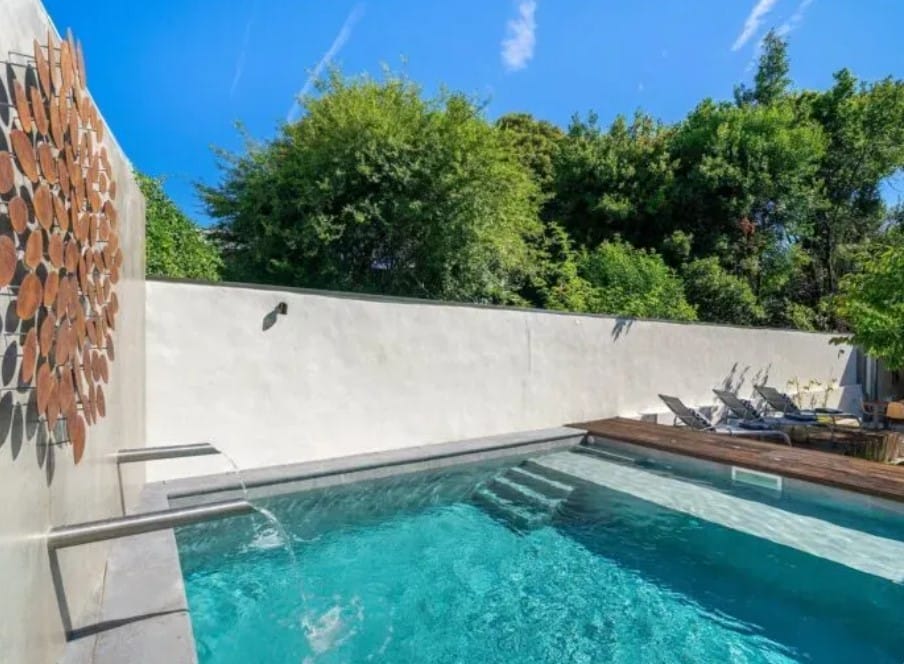
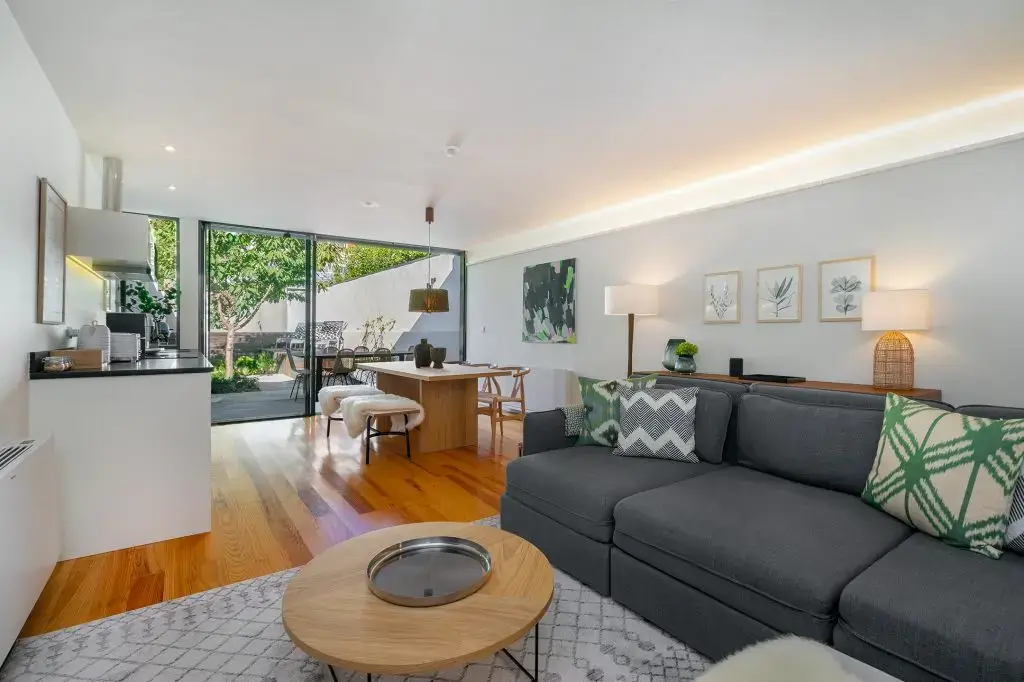
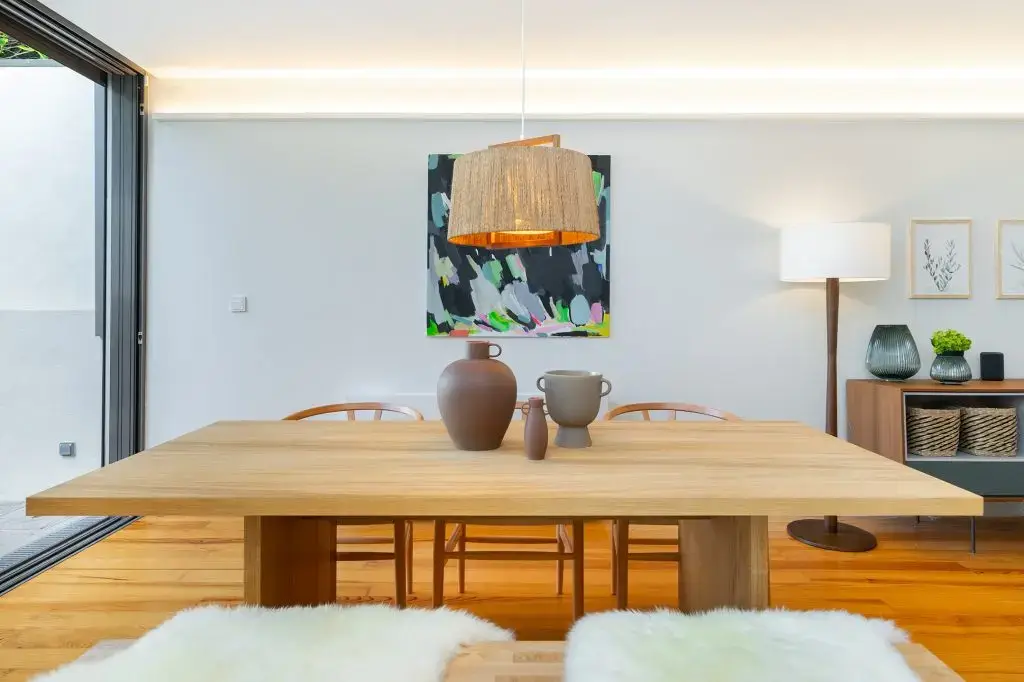
Villa Almada, a private villa with pool and garden on Rua do Almada, six minutes from São Bento.

How Long to Spend in Braga
Six to eight hours covers the city comfortably. A workable shape is a mid-morning train, Bom Jesus first while you still have energy for the stairway, lunch near Praça da República, the cathedral and old town in the afternoon, and a train back in time for dinner in Porto.
If you are driving and want Sameiro and Guimarães as well, you are looking at a full day and an early start. Braga also works as an overnight if you would rather see the old town in the evening, when the day-trippers have gone and the students come out, but for most visitors it is a day trip and none the worse for it.
A Sensible Day Trip Shape
- Around 9am: train from São Bento, roughly an hour
- Late morning: bus or taxi to Bom Jesus, funicular up, walk down
- Lunch: Praça da República or the arcade by the Santa Bárbara garden
- Afternoon: cathedral, treasury museum, old town wander
- Late afternoon: coffee and a pastry before the walk back to the station
- Around 6pm: train back to Porto, dinner in Ribeira
Braga to Porto: Getting Back
The return runs on the same line and takes the same hour. Trains thin out later in the evening, so if you are planning dinner in Braga rather than Porto, check the last service before you sit down. The bus follows a similar pattern.
Coming back into São Bento puts you in the middle of Porto, which is convenient if you are staying centrally. From the station it is a short flat walk up to Rua do Almada, or ten to twelve minutes downhill to Ribeira if you want dinner by the river.

A Note From Susan
“Guests often ask whether Braga or Guimarães is the better day out. If you only have one free day, I would send you to Braga, because Bom Jesus is the thing you will remember and the train is so easy. Take the funicular up and walk down. Everyone who does it the other way round arrives at the top too hot to enjoy the church.”
Susan, host at Villa Almada
“Awesome lodging in the heart of Porto. The service is 6 stars if possible. While all the staff were outstanding, Susan and Hannah were incredibly kind and helpful during our stay. I would not stay anywhere else when returning to Porto.”
— DM B (Dave), Local Guide · ★★★★★ 5/5 on Google
Frequently Asked Questions
How Do You Get From Porto To Braga?
The train is the simplest option, taking roughly one hour from São Bento or Campanhã station on the urban line north. Buses from the Campanhã coach terminal take about the same time, and driving via the A3 motorway is around 45 minutes.
How Long Is The Train From Porto To Braga?
About one hour on the urban service. Trains run through most of the day and you do not need to book the urban line in advance, so you can decide on the morning. Check Comboios de Portugal for the current timetable, which changes seasonally.
Is Braga Worth A Day Trip From Porto?
Yes, and it is the day trip we recommend most often. Braga is 55 km away, reachable in an hour, and holds Portugal’s oldest cathedral plus Bom Jesus do Monte, a UNESCO World Heritage sanctuary. Six to eight hours covers it comfortably.
What Is Braga Famous For?
Braga is Portugal’s religious capital and one of its oldest cities, founded by the Romans as Bracara Augusta. It is best known for Bom Jesus do Monte, the baroque hillside sanctuary with its zigzag stairway, and for having the oldest cathedral in the country.
How Do You Get To Bom Jesus Do Monte From Braga?
Bom Jesus sits on a hill a few kilometres east of the centre, reached by city bus or taxi in about 15 minutes. From the base you can climb the stone stairway or take the water-powered funicular, which has run since 1882 and is the oldest of its type in the world.
Should You Visit Braga Or Guimarães From Porto?
Braga if you only have one day, because the train connection is better and Bom Jesus is the stronger single sight. Guimarães suits a second day trip. There is no direct rail link between the two, so combining them in one day really needs a car.
Do You Need To Book Porto To Braga Train Tickets In Advance?
Not for the urban service, which you can buy on the day at the station. Advance booking is worth it for long-distance services and for coaches, where online fares are sometimes cheaper than buying at the terminal.
Is Braga Cheaper Than Porto?
Generally yes. Braga is a university city with fewer visitors, so coffee, lunch and museum entry all tend to cost less than the equivalent in central Porto. It is a reasonable place to have a bigger lunch than you would on the Porto riverfront.
How Far Is Braga From Porto?
About 55 km north of Porto. That translates to roughly one hour by train or bus, or around 45 minutes by car on the tolled A3 motorway.
A Private Villa Six Minutes From The Station
Villa Almada has its own pool and walled garden on Rua do Almada, a short flat walk from São Bento and every day trip that leaves from it. Sleeps 6 plus 2 infants, daily breakfast and cleaning included. From €269 a night.
Check AvailabilityPhotography by Scott Crowe, Alvesgaspar, Palickap and Hans Birger Nilsen, used under Creative Commons licences.