
The Short Answer
Planning your stay?
Luxury Villa Stays at Villa Almada — check availability and book direct.
Porto is Portugal’s second city, home to around 231,000 people in the city itself and roughly 1.7 million across its metropolitan area. It sits in the green north of the country, at the mouth of the Douro river on the Atlantic coast, and it grew from a Roman port called Portus Cale into a UNESCO World Heritage city famous for port wine. The climate is mild and Atlantic, with warm dry summers and cool, wet winters.
Insider Tip
The city of Porto is smaller than its reputation suggests. The population of the city proper actually peaked in 1981 and has fallen since, as families moved out to the suburbs. So the “big city” feeling really comes from the wider metropolitan area. For a visitor, that is good news: the historic core you came to see is compact and easy to explore on foot.
If you are trying to get a quick, clear picture of Porto, its size, where it sits, what the weather does and how it came to be, this guide pulls it together in one place. Portugal’s second city packs a lot of story into a small footprint.
People often arrive knowing only two things: port wine comes from here, and the old town is pretty. Both are true, but they barely scratch the surface of a city that has been trading, building and reinventing itself for two thousand years.
Below you will find Porto’s location and geography, its population by year, its climate, a short history, and the neighbourhoods worth knowing before you visit. Everything you need to understand the city at a glance.
Where Is Porto? Geography and Map
Porto sits in the north-west of Portugal, on the country’s Atlantic coast, right where the Douro river meets the ocean. It is about 313 kilometres north of Lisbon, roughly three hours by train, and only around 160 kilometres south of the Spanish city of Vigo.
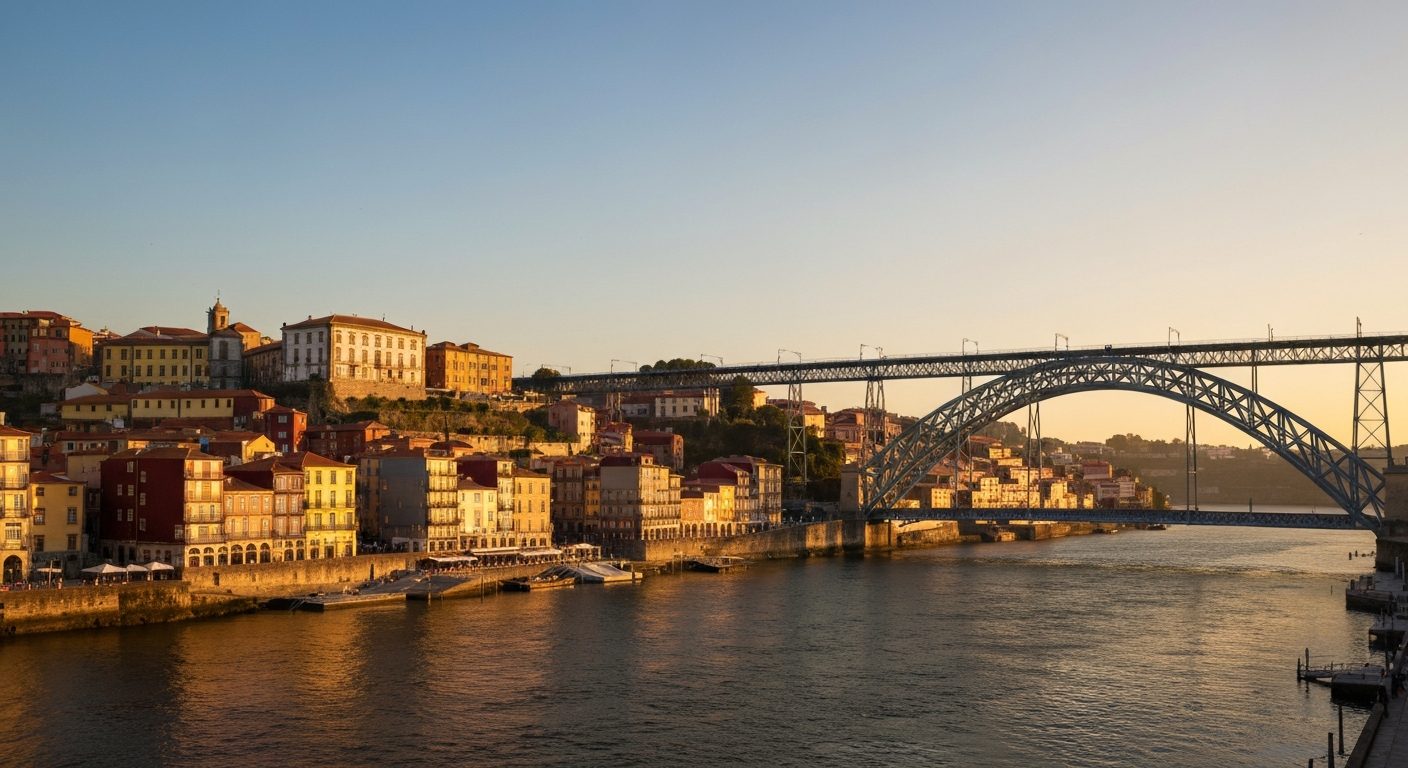
The city is built across steep hills on the north bank of the Douro. Directly across the river is Vila Nova de Gaia, technically a separate city, where the famous port wine lodges line the waterfront. The two are joined by the double-decker Dom Luís I Bridge, one of Porto’s defining images.
Porto is the capital of its own district and the heart of the wider Norte region. It works as the gateway to two of northern Portugal’s biggest draws: the Douro Valley wine country upriver, and the Atlantic beaches along the coast. If sand is on your list, our guide to the beaches near Porto covers the closest ones.
For getting around once you arrive, the compact centre is walkable and the metro handles longer hops. Our Porto metro map guide lays out the lines and zones.
Porto’s Population: How Many People Live There?
The population of Porto is around 231,000 people in the city proper, based on the most recent census. That makes it Portugal’s second-largest city after Lisbon. The number climbs dramatically when you widen the lens.
The Greater Porto urban area holds well over 1.3 million people, and the full Porto Metropolitan Area is home to roughly 1.7 million. So while the city itself is mid-sized, the region around it is one of the largest population centres on the Iberian Peninsula.
Here is how the city’s population has changed over time. Notice the peak in 1981 and the steady decline since, as people moved out to the surrounding suburbs.
| Year | City of Porto population (approx.) | Trend |
|---|---|---|
| 1900 | ~167,000 | Growing port city |
| 1950 | ~281,000 | Rapid growth |
| 1981 | ~327,000 | Historic peak |
| 2001 | ~263,000 | Suburban shift |
| 2011 | ~238,000 | Continued decline |
| 2021 | ~231,800 | Roughly stable |
These are approximate census figures for the municipality (concelho) of Porto. The takeaway is simple: the historic city has actually shrunk from its peak, while the metropolitan region has grown. For a visitor, the part that matters, the walkable UNESCO core, has stayed compact.
Why the decline? It is a familiar European story. As Porto modernised, many families moved out to newer, roomier homes in the surrounding municipalities like Vila Nova de Gaia, Matosinhos and Gondomar, while the historic core shifted towards students, smaller households and tourism. The resident headcount fell, but the wider region kept growing and the city’s visitor numbers climbed.
Porto’s Climate: Mild, Atlantic and Wetter Than the South
Porto has a warm-summer Mediterranean climate with a strong Atlantic influence. In plain terms: moderate temperatures all year, warm dry summers, and cool winters that bring real rain. It is greener and wetter than the Algarve in the south, and rarely extreme in either direction.

Summer highs sit around 25C in July and August, the driest months of the year. Winter highs hover near 14C, and from November to February the city sees a lot of rain, often more than 15 wet days a month. Spring and autumn are mild and changeable.
- Warmest months: July and August, highs around 25C and very little rain.
- Wettest months: November to February, cool and often grey.
- Best all-round: late May, June and September, warm with fewer crowds.
- Sea temperature: the Atlantic stays cool, around 18C even in late summer.
For a full month-by-month breakdown of temperatures, rain and what to pack, see our Porto weather guide. The short version: pack layers and a light rain shell whatever the season.
A Short History of Porto: From Roman Port to World Heritage
Porto’s history stretches back around two thousand years. The Romans built a settlement here called Portus Cale, a name that eventually gave the whole country of Portugal its title. From the start, this was a place defined by its port and its river.
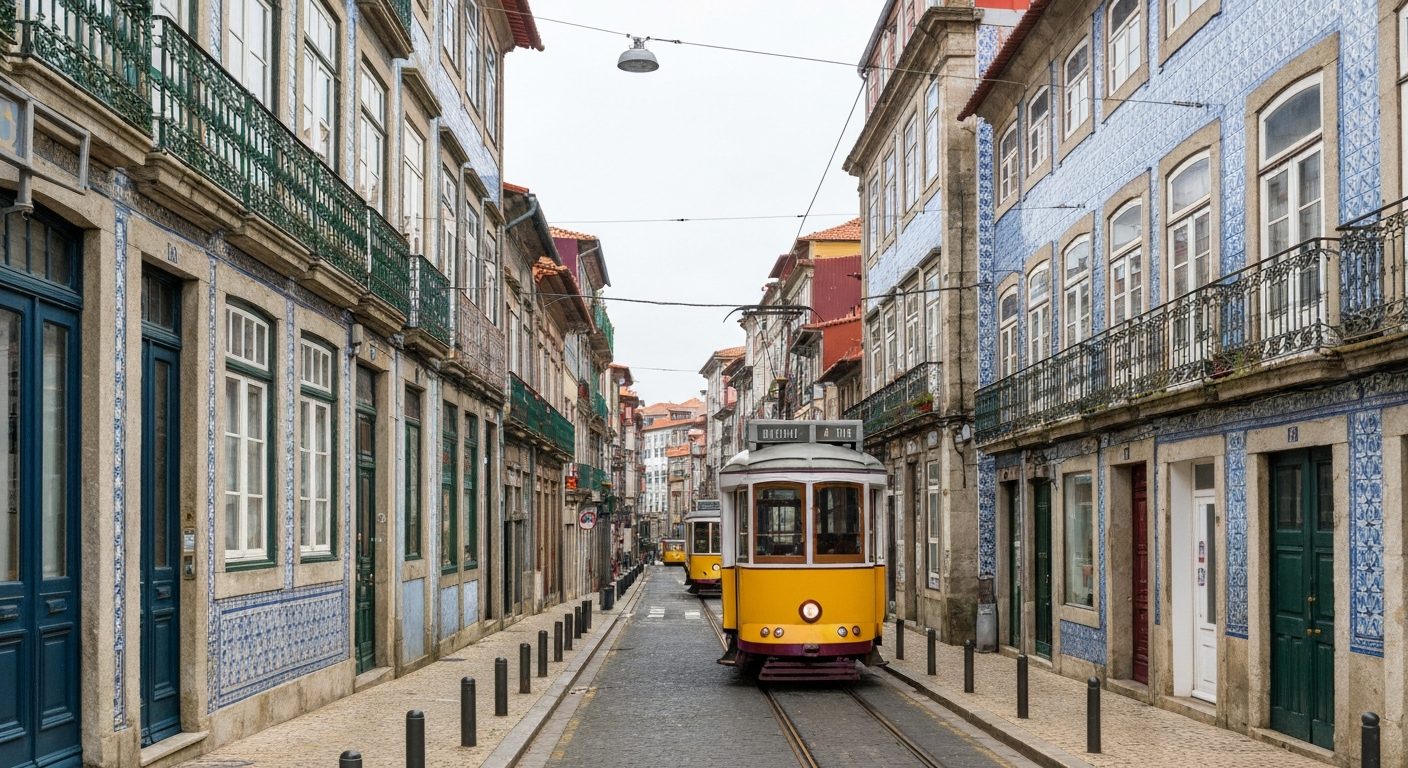
Through the Middle Ages Porto grew into a busy trading and shipbuilding centre. In the Age of Discovery its shipyards helped launch Portuguese voyages, and the hard-working locals earned the nickname “tripeiros” (tripe-eaters) after giving away their best meat to the fleet and keeping the offal for themselves. The dish tripas à moda do Porto is still on menus today.
The trade that made Porto world-famous was port wine. From the 17th century, British merchants shipped fortified wine from the Douro Valley down to the lodges in Gaia and out across the world, and many of the big port houses still carry British names. Here is the story in brief.
- Roman era: the port of Portus Cale is founded at the mouth of the Douro.
- Middle Ages: Porto becomes a major trading and shipbuilding city.
- 17th to 18th century: the port wine trade booms, tying Porto to Britain.
- 19th century: grand bridges, markets and boulevards reshape the city.
- 1996: the historic centre is named a UNESCO World Heritage Site.
In 1996, UNESCO recognised the Historic Centre of Porto as a World Heritage Site, protecting the tangle of medieval streets around Ribeira and the riverfront. That is the postcard Porto most visitors picture.
Notable Neighbourhoods of Porto
Porto is a city of distinct districts, each with its own character. Knowing a few of them makes the map click into place.
- Ribeira: the medieval riverfront, all colourful houses and narrow lanes, and the heart of the UNESCO zone. See our Ribeira guide.
- Baixa (Downtown): the central hub around Aliados and São Bento, with the main shops, cafes and grand civic buildings.
- Cedofeita and Bonfim: creative, arty inner neighbourhoods full of galleries, indie shops and good food.
- Foz do Douro: where the river meets the sea, with promenades, seafood and the closest city beaches.
- Boavista: a business and cultural district anchored by the striking Casa da Música concert hall.
- Vila Nova de Gaia: across the river, home to the port wine lodges and the best views back at Porto.
Most first-time visitors base themselves in or near the centre, which keeps Ribeira, Baixa and the river within easy walking distance. For a deeper look at what to see across these areas, our guide to the best things to do in Porto is a good next read.
Why Porto Is Famous: Key Facts at a Glance
If you want the highlights to drop into conversation, or just a sense of what makes the city tick, these are the facts that matter.
- It named a country: “Portugal” comes from the Roman Portus Cale, right here.
- Home of port wine: the fortified wine is made in the Douro and aged in Gaia’s lodges.
- UNESCO World Heritage: the historic centre has been protected since 1996.
- The Francesinha: Porto’s legendary layered sandwich, drowned in a beer-and-tomato sauce.
- Iconic bridges: the Dom Luís I Bridge is the city’s signature, with five more spanning the Douro.
- Second city: Portugal’s second-largest city and the capital of the north.
Add the beaches, the Douro Valley on the doorstep and one of Europe’s most walkable old towns, and it is easy to see why Porto has become one of the continent’s favourite short-break cities.
Planning a Stay in Porto
Understanding the city is the easy part. The bigger decision is where to base yourself, because in a compact, walkable place like Porto, location changes everything about the trip.
Staying central means the Ribeira, the river, the markets and the metro are all within reach on foot, and you spend your days exploring rather than commuting. Planning a stay? See our Porto pool villa, a private villa with its own pool right in the heart of the city.
Stay in the Heart of Historic Porto
Villa Almada is a luxury family villa with a private pool on Rua do Almada, walkable to Ribeira, the Douro and the UNESCO old town. Sleeps 6 plus 2 infants, with daily breakfast and no booking fees when you book direct.
Check Dates & Book Direct