
At A Glance
Planning your stay?
Luxury Villa Stays at Villa Almada — check availability and book direct.
Porto’s best parks and gardens range from the formal Jardins do Palácio de Cristal to the 83-hectare Parque da Cidade, and all but Serralves are free to enter.
- Jardins do Palácio de Cristal — formal gardens with the best Douro view in the city
- Parque da Cidade — Porto’s largest park, 83 hectares running to the Atlantic
- Serralves — contemporary art museum with 18 hectares of grounds (ticketed)
- Everything else is free to enter, roughly sunrise to sunset
- Villa Almada is 8 minutes’ walk from Cordoaria, 15 from Palácio de Cristal
Porto is a compact city, and a hilly one, which makes its green spaces feel more valuable than the map suggests. You can walk the historic centre end to end in half an hour, but you will do it on granite cobbles and up a good deal of gradient, and by mid-afternoon most people are looking for somewhere to sit under a tree.
The good news is that the city has more park than visitors expect, and the best of it is genuinely close to the middle. Three places are worth building a morning around: the formal gardens of the Palácio de Cristal on their hillside above the Douro, the vast Parque da Cidade running down to the Atlantic, and the Serralves contemporary art park out towards Boavista. Another three — Virtudes, Jardim do Morro and Cordoaria — are worth twenty minutes each if you are passing, and two of them have views you will remember longer than the museums.
This guide covers all six: what each one is actually like, what it costs, when to go, and how long it takes to reach from the centre of Porto.
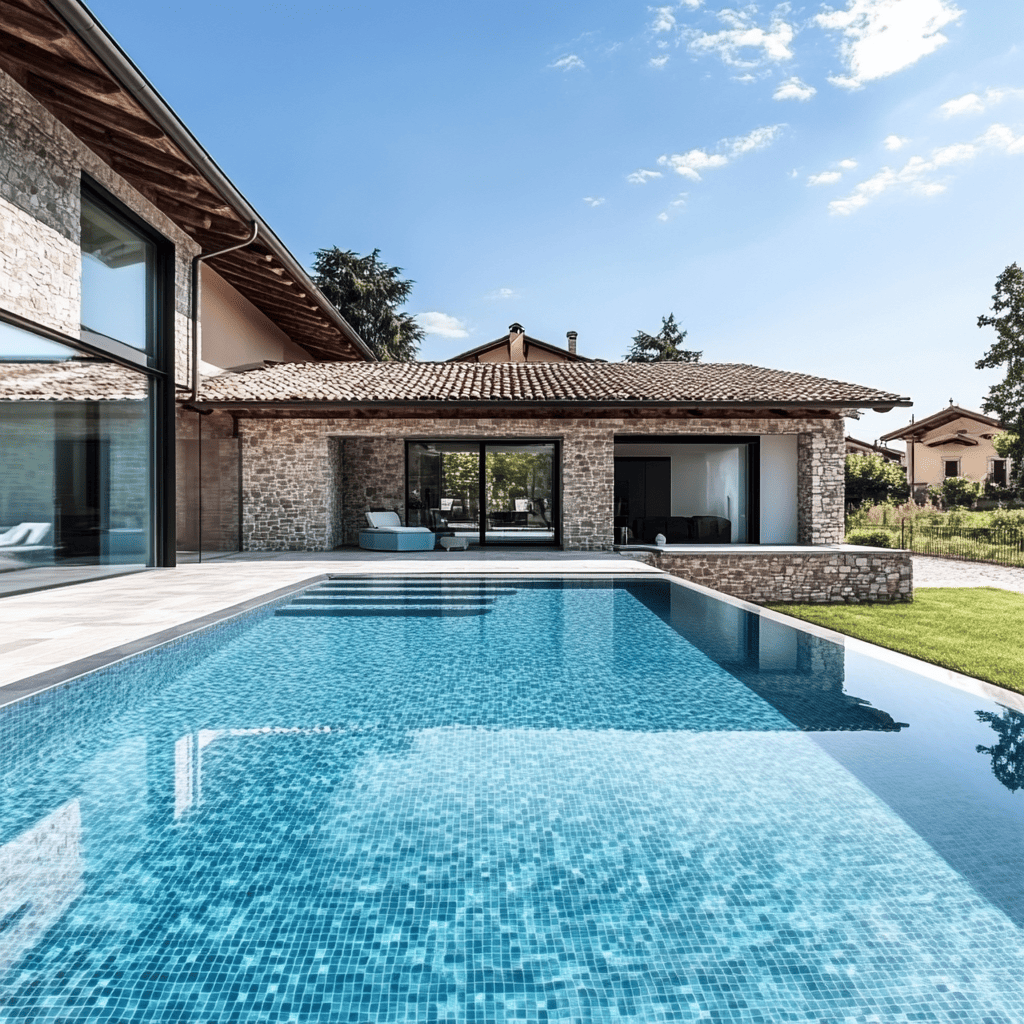
Looking for somewhere to stay? Villa Almada is a luxury family villa with a private pool in the garden of the Canto de Luz Maison. Sleeps up to 6 plus 2 infants, with daily breakfast and hotel-style service. From €269/night.
See the Villa & PoolPorto’s Parks and Gardens Compared
Six green spaces worth your time, what each is good for, and how long it takes to reach them from central Porto.
| Park or garden | Best for | Entry | From Villa Almada |
|---|---|---|---|
| Jardins do Palácio de Cristal | Formal gardens, peacocks and the best Douro view in the city | Free | ~15 min walk |
| Parque da Cidade | Space to run about; 83 hectares running down to the Atlantic | Free | ~25 min by metro or bus |
| Serralves Park and Gardens | Contemporary art, the Art Deco villa and formal grounds | Ticketed (museum park) | ~25 min by bus or taxi |
| Parque das Virtudes | Terraced slopes and the local sunset spot | Free | ~12 min walk |
| Jardim do Morro | The postcard view back over Porto from the Gaia side | Free | ~20 min walk via the bridge |
| Jardim da Cordoaria | Shade in the middle of town, five minutes from anywhere | Free | ~8 min walk |
Public gardens generally open from around sunrise to sunset and hours shift with the season, so they close appreciably earlier in December than in July. Serralves keeps museum hours and charges admission. Check before making a special trip.
Jardins do Palácio de Cristal

If you only have time for one, make it this one. The Palácio de Cristal gardens sit on a hillside west of the centre, laid out formally in the nineteenth century and never really altered since. Rose beds, box hedging, ornamental ponds, an avenue of camellias, and peacocks that wander the lawns with complete indifference to visitors and will occasionally display if the mood takes them.
The Crystal Palace that gave the gardens their name was demolished in the 1950s and replaced by the domed Pavilhão Rosa Mota, which is not to everyone’s taste but does at least give you a landmark to navigate by. The gardens themselves are the point.
Walk to the southern edge and the ground falls away into what is, for our money, the finest view in Porto: the Douro directly below, the Dom Luís I Bridge to the left, Ribeira stacked up behind it and the port lodges of Gaia on the far bank. Come an hour before sunset and the whole thing turns the colour of the wine they make across the water.
Practicalities: free, open roughly sunrise to sunset, about fifteen minutes on foot from Villa Almada. Paths are paved and mostly gentle, though the site is on a slope by definition. There is a café near the pavilion and a library in the grounds. Allow an hour, or two if you are the sort to sit.
Parque da Cidade

Porto’s largest park by a wide margin: 83 hectares of lawn, lake and woodland running from the edge of the city all the way down to the Atlantic. It is the only urban park in Portugal that reaches the sea, and walking the length of it to come out at the beach is a genuinely good way to spend a morning.
The design is deliberately naturalistic — no formal beds, no statuary, just meadow grass, dry stone walls, three lakes and a lot of winding path. That makes it the opposite of Palácio de Cristal in character, and much the better option if you have children who need to run somewhere without you saying “mind the flowerbed” every thirty seconds.
It is also where Porto goes to exercise. Expect runners, cyclists and dog walkers at any hour, and a genuinely local atmosphere rather than a tourist one. If you are staying a week and want one morning that feels like ordinary Portuguese life, this is it.
Practicalities: free, roughly twenty-five minutes from the centre by metro or bus, and easily combined with a swim or lunch at Matosinhos. Bring water — it is large and the facilities are spread out. See our guide to how the Andante card works before you travel, as the park sits outside the central fare zone.
Serralves Park and Gardens

Serralves is the one you pay for, and the one most worth paying for. Eighteen hectares of grounds surrounding two very different buildings: the pink Art Deco Casa de Serralves from the 1930s, and Álvaro Siza Vieira’s stark white contemporary art museum from the 1990s. The gardens knit them together — formal parterres and a rose garden near the house, then woodland, a working farm and open meadow as you move away from it.
Sculpture is placed through the grounds, so a walk here is half garden visit and half exhibition. The treetop walkway, added more recently, takes you through the canopy at roughly eight metres and is the part children remember.
Practicalities: ticketed, with options for the park alone or a combined park-and-museum ticket, and prices change periodically — check the Serralves website rather than trusting a figure you read on a blog. Roughly twenty-five minutes from the centre by bus or taxi. Some of the woodland paths are steep and uneven, so it is the least pushchair-friendly of the six. Allow half a day if you are doing the museum too.
Parque das Virtudes

A steep terraced garden cut into the hillside between the centre and the river, and the closest thing Porto has to a locals-only park. Each terrace is a long grassy shelf facing west over the Douro, which means that from about six in the evening it fills quietly with students, couples and people carrying supermarket beer, all facing the same direction.
It is not a manicured garden and it is not trying to be. The appeal is the angle of the light and the fact that almost nobody visiting Porto for three days finds it. If you want one evening that does not feel like sightseeing, come here with something to drink and stay until the sun has gone.
Practicalities: free, about twelve minutes’ walk from Villa Almada, mostly downhill on the way there. The terraces are reached by steps, so it is not accessible for wheelchairs or pushchairs. Busiest on warm evenings and at weekends.
Jardim do Morro
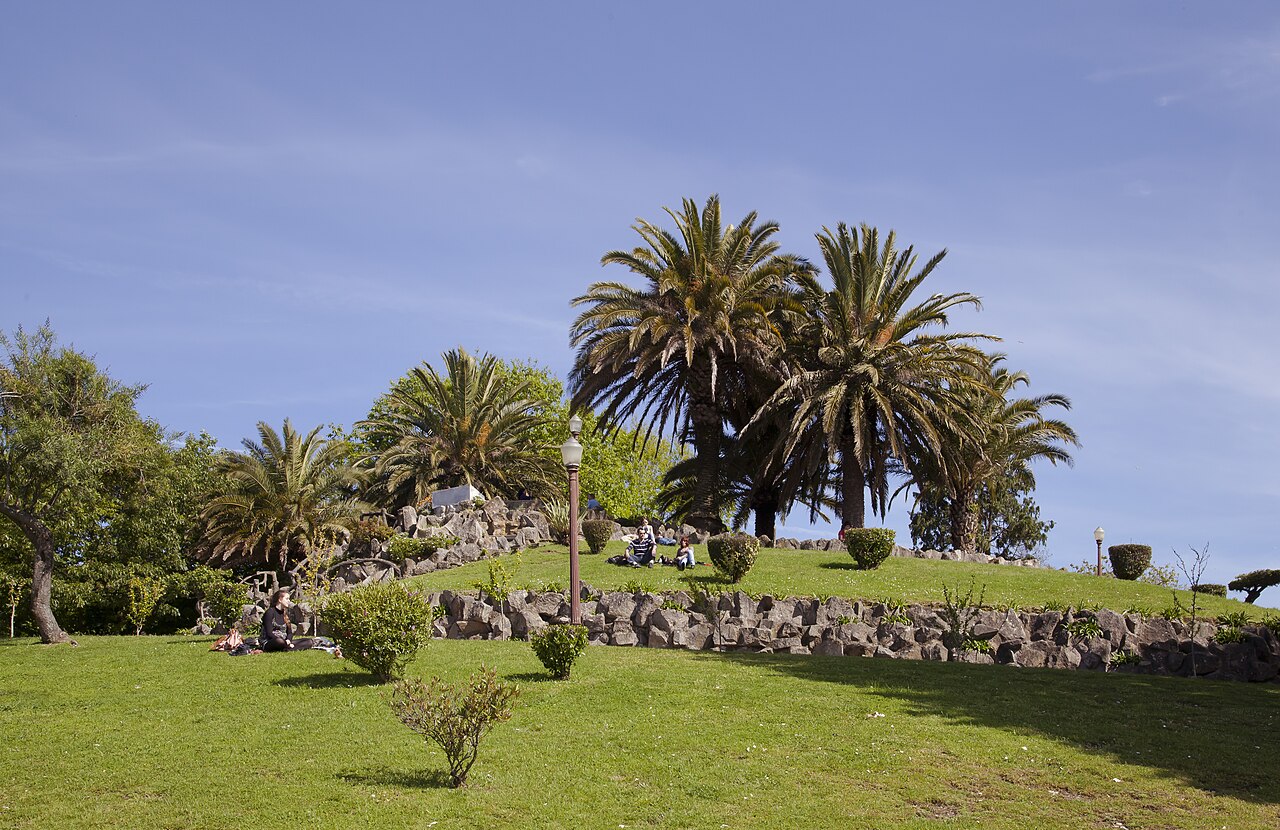
Technically this one is not in Porto at all — it is in Vila Nova de Gaia, across the river. Walk over the upper deck of the Dom Luís I Bridge and it is immediately on your right: a small hillside garden, a bandstand, some grass, and the single best view of the Porto skyline that exists.
Everything is laid out in front of you at once — the tiered houses of Ribeira, the cathedral, the Clérigos Tower, the bridge itself in the foreground. This is the photograph you have already seen of Porto, and it was almost certainly taken from here. It is correspondingly popular, particularly at sunset, so come early if you want the bench rather than a patch of grass behind forty other people.
Practicalities: free, always open, roughly twenty minutes on foot from Villa Almada across the bridge, or one stop on the metro to Jardim do Morro station if you would rather not walk the upper deck. Combine it with the port lodges below and you have an afternoon. See also our guide to the view from Jardim do Morro.
Jardim da Cordoaria
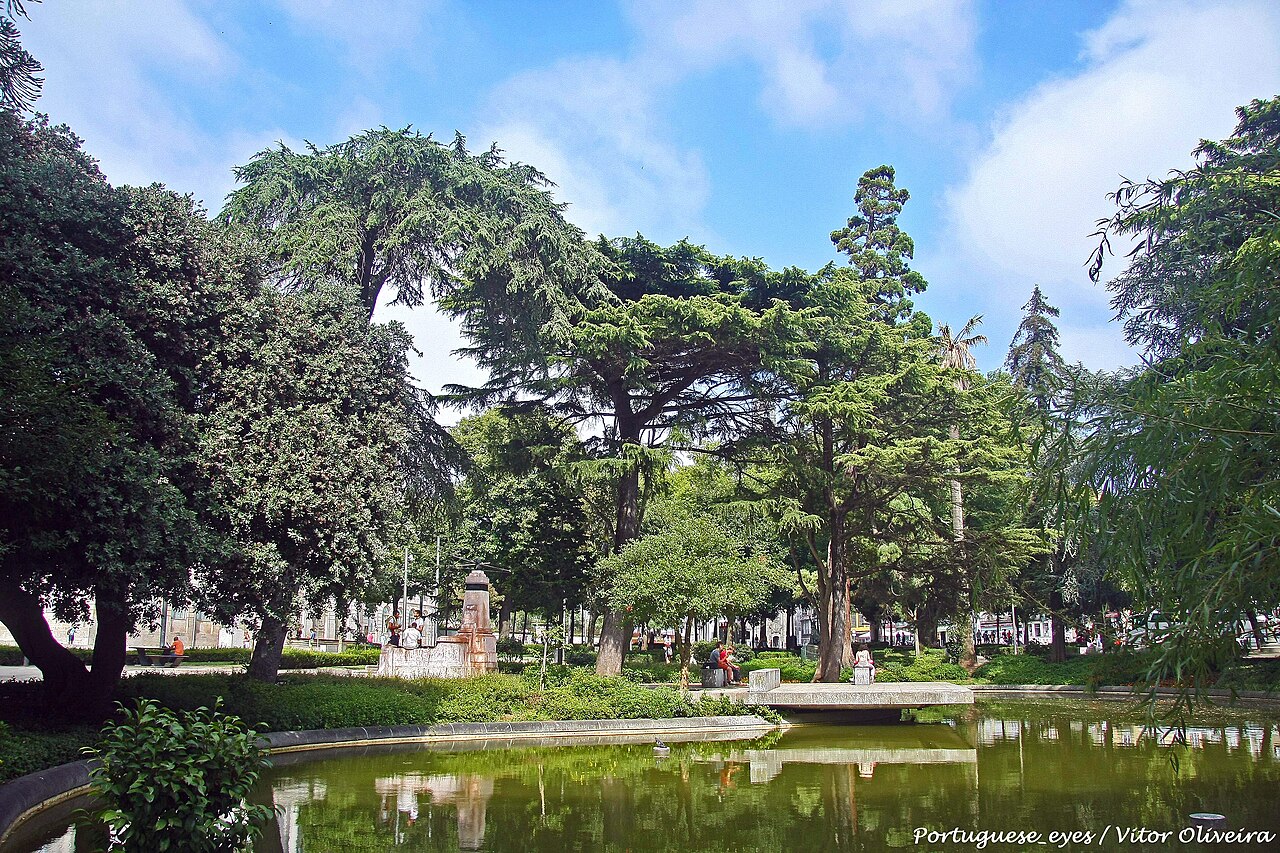
The most useful park in Porto, if not the most beautiful. Cordoaria sits directly below the Clérigos Tower in the middle of everything — palm trees, a small pond, gravel paths, benches, and a set of rather startling sculpted figures by Juan Muñoz that people either love or walk straight past.
Nobody makes a special trip here. What it is good for is the twenty minutes in the middle of a walking day when you have climbed one hill too many and need to sit in shade with a coffee. From Villa Almada it is eight flat minutes, which makes it the default morning stop before the day properly begins.
Practicalities: free, always open, level ground and fully accessible. Cafés on all sides. Quiet in the morning, busier at lunchtime with students from the university buildings nearby.
Which Park for Which Kind of Day
If you only have one free morning, the choice depends less on the parks than on who you are travelling with.
- Best with young children: Parque da Cidade, for the sheer space and the lack of anything breakable. More family ideas in Porto here.
- Best for a view: Jardim do Morro for the skyline, Palácio de Cristal for the river. Virtudes if you want the view without the crowd.
- Best for a picnic: Virtudes at golden hour, or Parque da Cidade if you want a table and space to spread out.
- Best in the rain: Serralves, because you can retreat into the museum when it starts and the grounds look better wet than most places do dry.
- Best for running: Parque da Cidade, comfortably. It is the only one with the distance for it.
- Best if you have twenty minutes: Cordoaria, every time.
Hidden Garden Corners Most Visitors Miss
Beyond the six above, a few smaller pockets are worth knowing about if you are here for more than a long weekend.
- Jardim das Oliveiras — a small terrace of olive trees within the Palácio de Cristal grounds that most people walk past on the way to the viewpoint.
- Jardim Botânico do Porto — the university botanical garden in a nineteenth-century estate, with camellias, greenhouses and far fewer visitors than it deserves.
- Quinta do Covelo — a wooded park north-east of the centre that is almost entirely local, with proper woodland rather than lawn.
- Jardim de São Lázaro — Porto’s oldest public garden, small, walled and formal, ten minutes from Bolhão and usually almost empty.
Practical Tips
Cost. Every park in this guide is free except Serralves, which is a ticketed museum park. There is no city garden pass and none is needed.
Opening hours. Public gardens run roughly sunrise to sunset, which in practice means gates closing around 7pm in midwinter and closer to 9pm in July. Jardim do Morro is open ground and never closes. Serralves keeps museum hours.
When to go. Early morning and the hour before sunset are both better than the middle of the day, particularly between June and September when there is very little shade on the open lawns. Spring is the best season outright — the camellias at Palácio de Cristal and the Jardim Botânico are worth timing a trip around. For month-by-month conditions see our Porto weather guide.
Picnics. Allowed everywhere. Mercado do Bolhão is the best place to assemble one, and Porto tap water is perfectly good to drink, so there is no need to buy bottled.
Dogs. Welcome on leads in the public parks. Parque da Cidade is the most dog-friendly of the six by some distance.
Accessibility. Cordoaria is flat and fully accessible. Palácio de Cristal, Parque da Cidade and Jardim do Morro have paved main paths and are manageable with a pushchair, though all three sit on slopes. Virtudes is reached by steps only, and parts of Serralves are steep and unsurfaced.
Getting there. Everything except Parque da Cidade and Serralves is walkable from the historic centre. For those two, the metro and bus network is straightforward once you have a travel card — and note that Parque da Cidade sits outside the central fare zone.
From Villa Almada
Villa Almada is on Rua do Almada, in the middle of the historic centre, which puts three of these six within a comfortable walk and the other three within half an hour on public transport.
Cordoaria is eight flat minutes away — genuinely flat, which is worth saying in a city where most addresses involve a climb. Virtudes is about twelve, Palácio de Cristal about fifteen, and Jardim do Morro roughly twenty if you walk over the upper deck of the bridge. A reasonable day is Cordoaria first thing, Palácio de Cristal in the late afternoon and Virtudes for the sunset, which covers three of the best without ever getting on a tram.
“Awesome lodging in the heart of Porto. The service is 6 stars if possible. While all the staff were outstanding, Susan and Hannah were incredibly kind and helpful during our stay. I would not stay anywhere else when returning to Porto.”
— DM B (Dave), Local Guide · ★★★★★ 5/5 on Google
Your Private Porto Villa
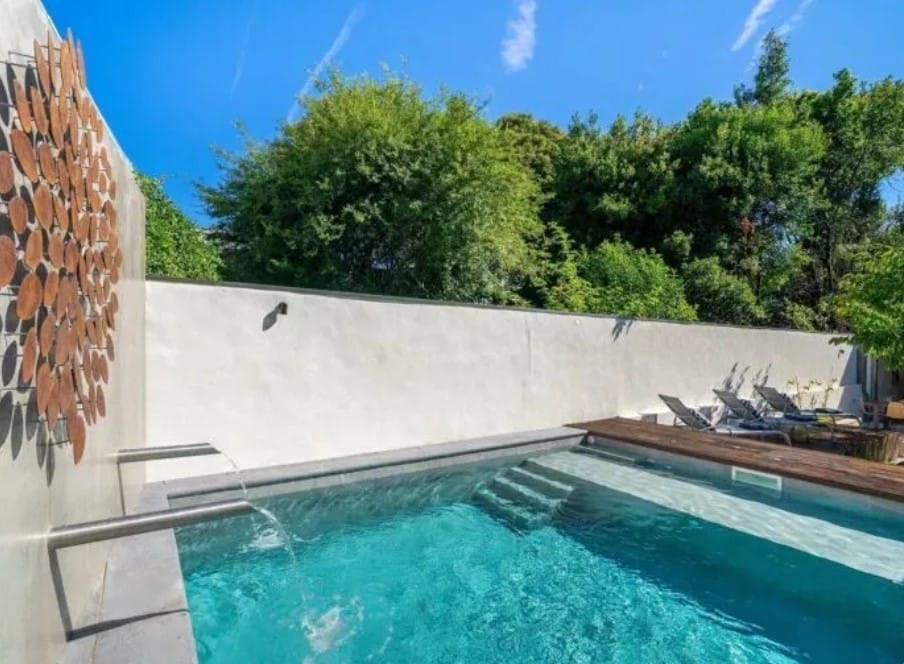
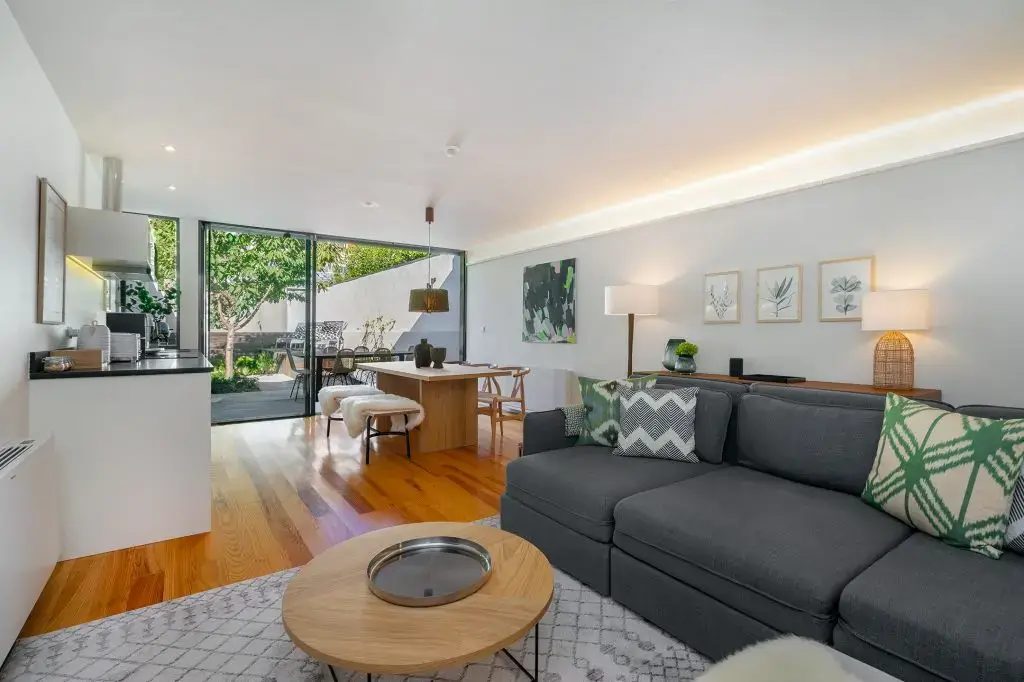
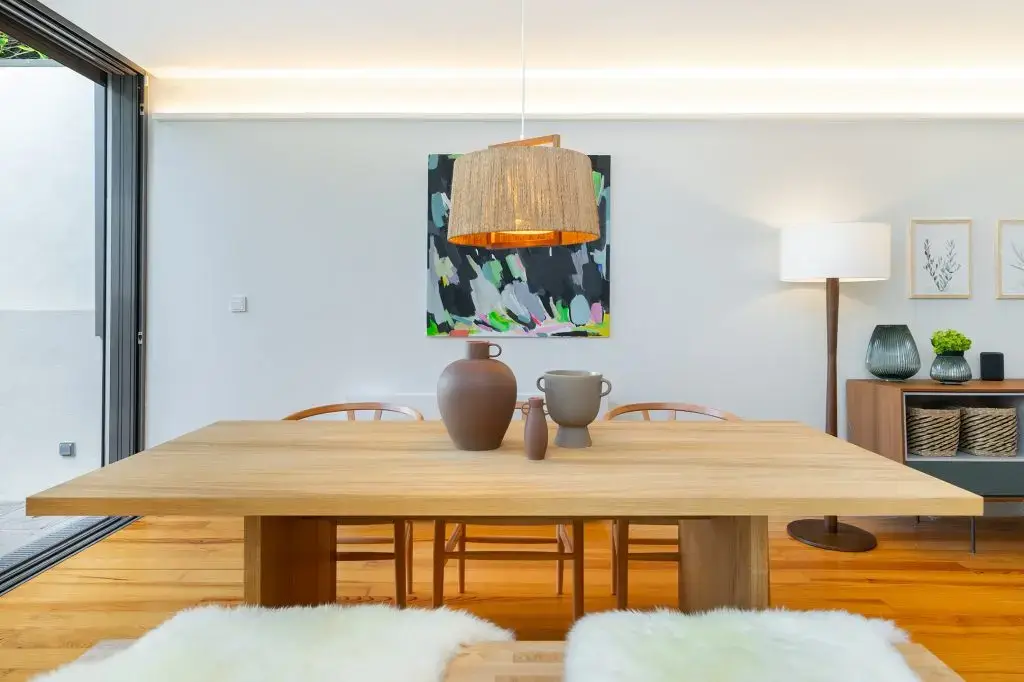
Villa Almada, a luxury family villa with private pool, in the garden of the Canto de Luz Maison.

Frequently Asked Questions
What are the best parks in Porto?
The Jardins do Palácio de Cristal are the best all-round choice, combining formal gardens with the finest Douro view in the city. Parque da Cidade is the largest at 83 hectares and the best for families, Serralves is the most rewarding if you like contemporary art, and Jardim do Morro has the single best view of the Porto skyline.
Are Porto’s parks free to enter?
All the public parks and gardens are free, including Palácio de Cristal, Parque da Cidade, Virtudes, Jardim do Morro and Cordoaria. Serralves is the exception: it is a ticketed museum park, with separate options for the grounds alone or a combined park-and-museum ticket.
Which Porto park has the best view?
Jardim do Morro, on the Gaia side of the Dom Luís I Bridge, has the best view of the historic Porto skyline. From the Porto side, the viewpoint at the southern edge of the Palácio de Cristal gardens looks straight down the Douro. Parque das Virtudes has a similar westward river view with far fewer people.
When are Porto’s gardens open?
Public gardens generally open from around sunrise to sunset, so gates close near 7pm in midwinter and closer to 9pm in high summer. Jardim do Morro is open ground with no gates and is accessible at any hour. Serralves keeps museum opening hours, which vary by season.
Can you picnic in Porto’s parks?
Yes, picnics are allowed in all the public parks. Mercado do Bolhão is the best place to put one together, and Parque das Virtudes at sunset or Parque da Cidade for the space are the two best spots to eat it. Porto tap water is safe to drink.
Are dogs allowed in Porto’s parks?
Yes, dogs are welcome on leads in the public parks. Parque da Cidade is the most dog-friendly, with the space and the local dog-walking culture to match.
Are Porto’s parks wheelchair and pushchair accessible?
Jardim da Cordoaria is flat and fully accessible. Palácio de Cristal, Parque da Cidade and Jardim do Morro have paved main paths and are manageable, though all sit on slopes. Parque das Virtudes is reached by steps only and is not accessible, and several Serralves woodland paths are steep and unsurfaced.
What is the best time of year to visit Porto’s gardens?
Spring is the best season, when the camellias at Palácio de Cristal and the Jardim Botânico are in flower and temperatures are comfortable for walking. Summer works if you go early or late, since the open lawns offer little shade in the middle of the day. Autumn is quiet and often still warm.
Villa Almada sits a flat eight-minute walk from Jardim da Cordoaria and about fifteen from the Palácio de Cristal gardens, which is the point of staying in the middle of Porto rather than out of town. It is a private villa with its own pool and garden, sleeping six plus two infants.
Also worth reading: the villa as a family base, family-friendly things to do in Porto, the best beaches near Porto, how the Andante transport card works and getting in from Porto Airport.