
At A Glance
Planning your stay?
Luxury Villa Stays at Villa Almada — check availability and book direct.
Porto in winter is mild, green and atmospheric, with daytime highs of around 14 to 17°C from November to February, Christmas lights, port lodges and long lunches, and a private villa makes the wetter days easy.
- Average highs: 17.1°C in November, 14.4°C in December, 13.8°C in January, 15.0°C in February
- December is the wettest month, with around 181 mm of rain on average
- Snow in the city itself is very rare, and frost is uncommon
- Highlights: São Martinho chestnuts, the Christmas lights, New Year’s Eve on the Aliados and Carnival in February
- Villa Almada’s private pool can be heated on request, with breakfast served every morning
Porto in winter is a different city from the one in the summer photographs, and in many ways a better one. The granite streets shine after the rain, the Douro runs full and fast under the bridges, and the smell of roasting chestnuts drifts out of carts on every corner. Days are mild rather than cold, lunches run long, and the port lodges, cafés and tiled churches were built for exactly this kind of weather. If you want the full list of things to do in Porto in winter, we keep a separate guide to it.
From November to February each month in Porto has its own character, and a private villa suits every one of them. The reason is space: somewhere warm to come back to after a wet afternoon, a kitchen for slow breakfasts, and room to spread out when the rain sets in. For the rest of the year, our guide to Porto weather month by month covers every season.
We have hosted guests at Villa Almada through several winters now, and the ones who come between November and February often tell us it was their favourite visit to the city.
Planning a winter stay? Villa Almada is a whole villa with its own pool and garden in central Porto, with daily breakfast and the pool heated on request. Sleeps 6 plus 2 infants. From €269 a night.
See the Villa & PoolPorto Weather in Winter: Temperature, Rainfall and Sunshine From November to February
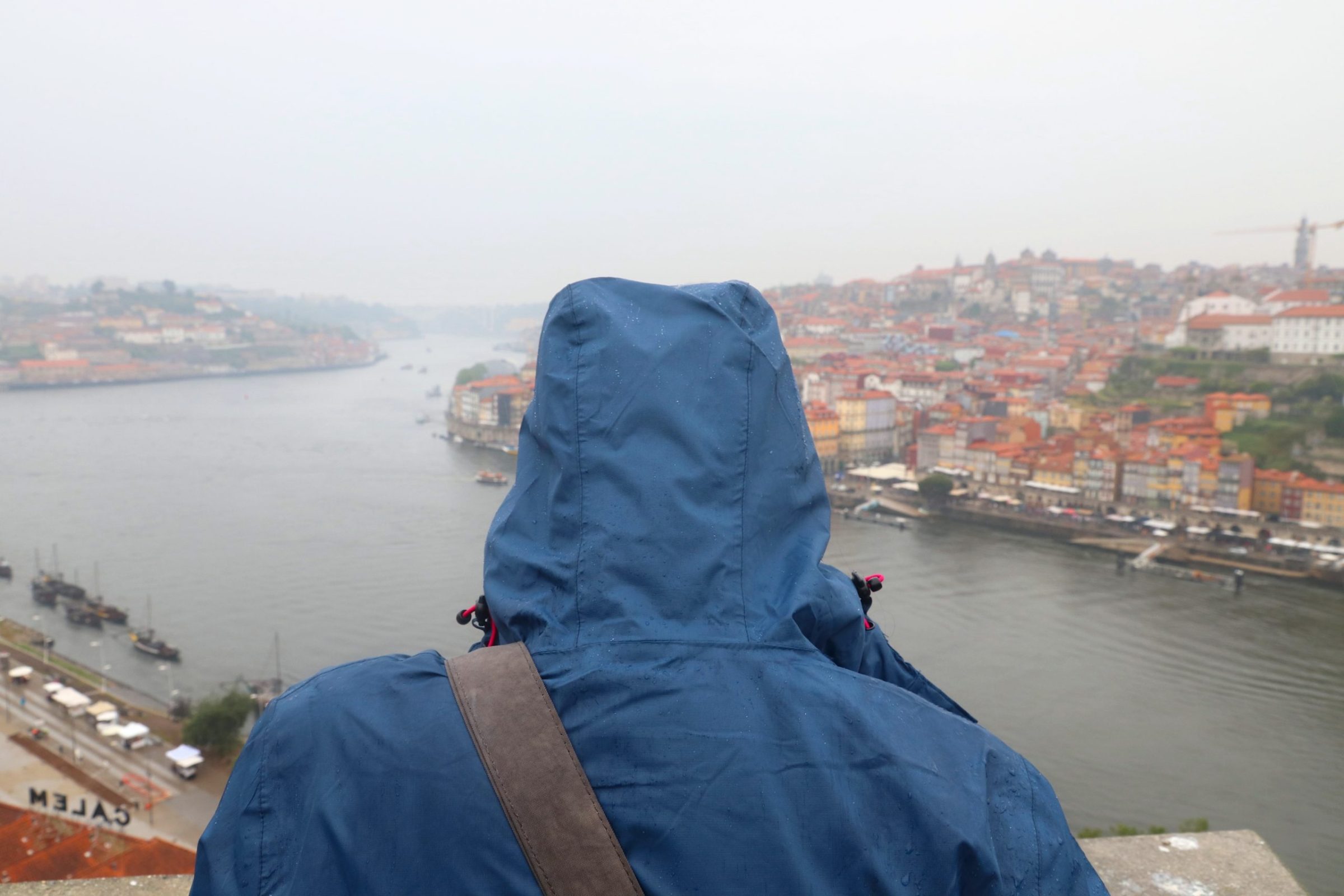
A misty winter afternoon over the Douro. Photo: Tupungato, CC BY 3.0
Somewhere warm to come back to: check winter dates at Villa Almada.
Porto has an Atlantic climate, which means mild winters and plenty of rain rather than real cold. The figures below are the long-term averages recorded by Portugal’s national weather service, IPMA, at its Porto station. They show a city that rarely drops near freezing, with afternoons that are often pleasant enough for a coffee outside between showers.
| Month | Average high | Average low | Rainfall | Sunshine |
|---|---|---|---|---|
| November | 17.1°C | 8.9°C | 172 mm | 139 hours |
| December | 14.4°C | 6.9°C | 181 mm | 124 hours |
| January | 13.8°C | 5.2°C | 147 mm | 124 hours |
| February | 15.0°C | 5.9°C | 111 mm | 129 hours |
Two things stand out. First, the temperature barely moves: the difference between the warmest and coldest winter month is only a few degrees, so a jacket and a warm layer see you through the whole season. Second, the rain comes in spells rather than every day. A wet morning is often followed by a bright, washed-clean afternoon, and the light on the river after a shower is the reason so many photographers come in winter.
Rain is heaviest in November and December and eases through January and February, when the days start to lengthen again. Snow in the city itself is very rare, and although the hills inland can see a dusting, Porto’s winters are defined by showers and soft light rather than frost.
Porto in November: São Martinho Chestnuts, New Wine and Autumn Colour in the Douro
November is the warmest of the winter months, with average highs of around 17°C, and it often feels more like a late autumn than a winter. The first proper rains arrive, the trees in the city’s parks turn gold, and the seafront at Foz is at its most dramatic when Atlantic swells roll in.
The date to know is 11 November, the feast of São Martinho. Across Portugal it is marked with a magusto: roasted chestnuts, shared outdoors, with a glass of the year’s new wine. In Porto the chestnut sellers are out in force through the month, and their smoking carts are one of the small pleasures of the season.
November is also a lovely time for the Douro Valley. The grape harvest is over, and the terraced vineyards along the river turn shades of red, copper and gold before the leaves drop. It is a beautiful, unhurried time to visit a quinta, and our guide to getting from Porto to the Douro Valley compares the train, river and road options. By the end of the month, the Christmas lights are switched on across the city centre, on Saturday 28 November in 2026.
Porto in December: Christmas Lights, Festive Food and New Year’s Eve on the Aliados
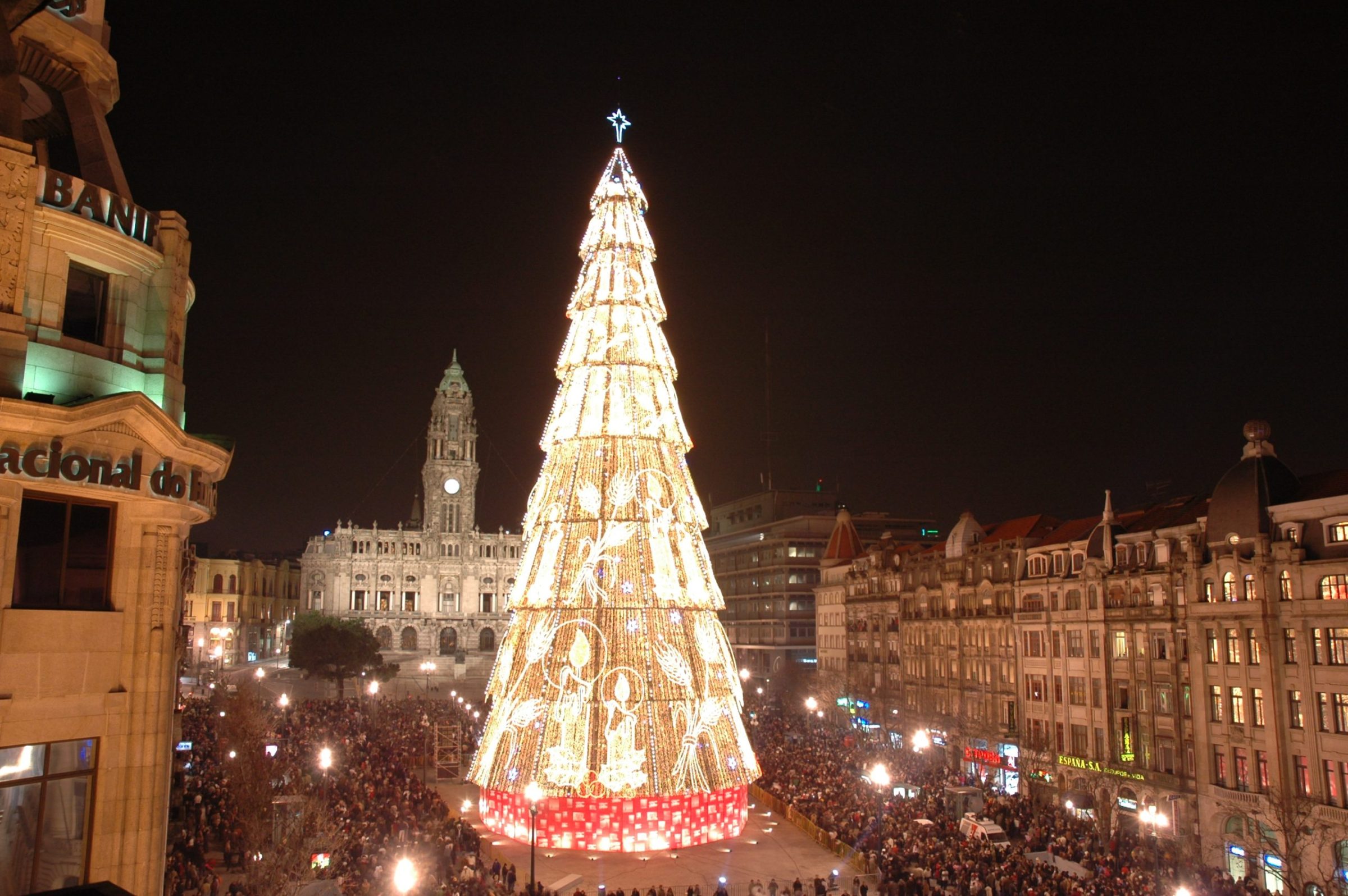
The Christmas tree on Avenida dos Aliados at New Year. Photo: Josep Renalias, CC BY-SA 3.0
Staying for the festive season? Check December dates at Villa Almada.
December is Porto at its most festive. The streets of Baixa are strung with lights, the Avenida dos Aliados gains a giant illuminated Christmas tree, and shop windows along Rua de Santa Catarina fill with decorations. It is also the wettest month of the year, so plan your days around a mix of outdoor wandering and warm interiors.
Christmas in Porto is a family affair centred on food. On Christmas Eve, Portuguese families sit down to bacalhau, the salt cod that is the country’s signature dish, followed by sweets such as rabanadas, a kind of spiced French toast, and bolo-rei, the ring-shaped king cake studded with candied fruit that is eaten from Christmas through to the Epiphany. Pastry shops across the city bake them by the hundred.
New Year’s Eve brings the biggest party of the winter. People gather on the Avenida dos Aliados, in front of the city hall, for live music and fireworks at midnight, and the riverside at Ribeira fills up too. If you want to be in the middle of it, a base within walking distance of the centre means no taxis and no queues on the way home.
What to Eat in Porto in Winter
- Castanhas assadas: roasted chestnuts from street carts, sold in paper cones
- Francesinha: the layered sandwich under a hot tomato and beer sauce, made for cold days
- Caldo verde: the classic kale and potato soup, served almost everywhere
- Bacalhau: salt cod, the centrepiece of Christmas Eve
- Bolo-rei and rabanadas: the festive king cake and spiced French toast
- Port wine: a glass of tawny in a Gaia lodge is the perfect end to a wet afternoon
Porto in January: Dia de Reis, Port Lodges and Bright Days Between the Showers

Barrels in a port lodge in Vila Nova de Gaia. Photo: Peter from Wellesley, CC BY 2.0
January is the coolest month, with average highs just under 14°C and lows around 5°C, but it is also when Porto feels most like a city that belongs to the people who live in it. The festive season ends on 6 January, Dia de Reis, the Epiphany, when the last of the bolo-rei is eaten and groups of singers sometimes go from door to door with the traditional Janeiras songs.
This is the month for Porto’s great indoor experiences. The port lodges across the river in Vila Nova de Gaia run tours and tastings throughout the winter, and their cool, dark cellars are exactly the same in January as they are in July. The Palácio da Bolsa, the nineteenth-century stock exchange with its gilded Arab Room, is another rainy-day favourite, and the Serralves museum of contemporary art makes for a full afternoon.
January also rewards patience with the weather. Clear, crisp mornings after a night of rain bring the sharpest views of the year from the Dom Luís I bridge and the Serra do Pilar viewpoint, so keep an eye on the forecast and save your walking for the bright spells.
Porto in February: Carnival, Fantasporto and the First Signs of Spring
February is the driest of the four winter months, with around 111 mm of rain on average, and the days are noticeably longer by the end of it. Average highs climb back to around 15°C, and on sunny days the riverside terraces start to fill again.
Carnival falls in February in 2027, on the Tuesday before Lent, and it is celebrated with parades and fancy dress across northern Portugal, with some of the liveliest events in the towns around Porto. In the city itself, the season is better known for Fantasporto, the international film festival that has been held in Porto every year since 1981 and specialises in fantasy, science fiction and horror, drawing a devoted audience to its screenings in late winter.
February is also a good month for a longer stay with day trips. The roads and railways are easy, the historic centres of Braga and Guimarães are an hour away, and the Atlantic beaches are spectacular for a bracing walk even if swimming is out of the question.
Best Things to Do in Porto in Winter When It Rains
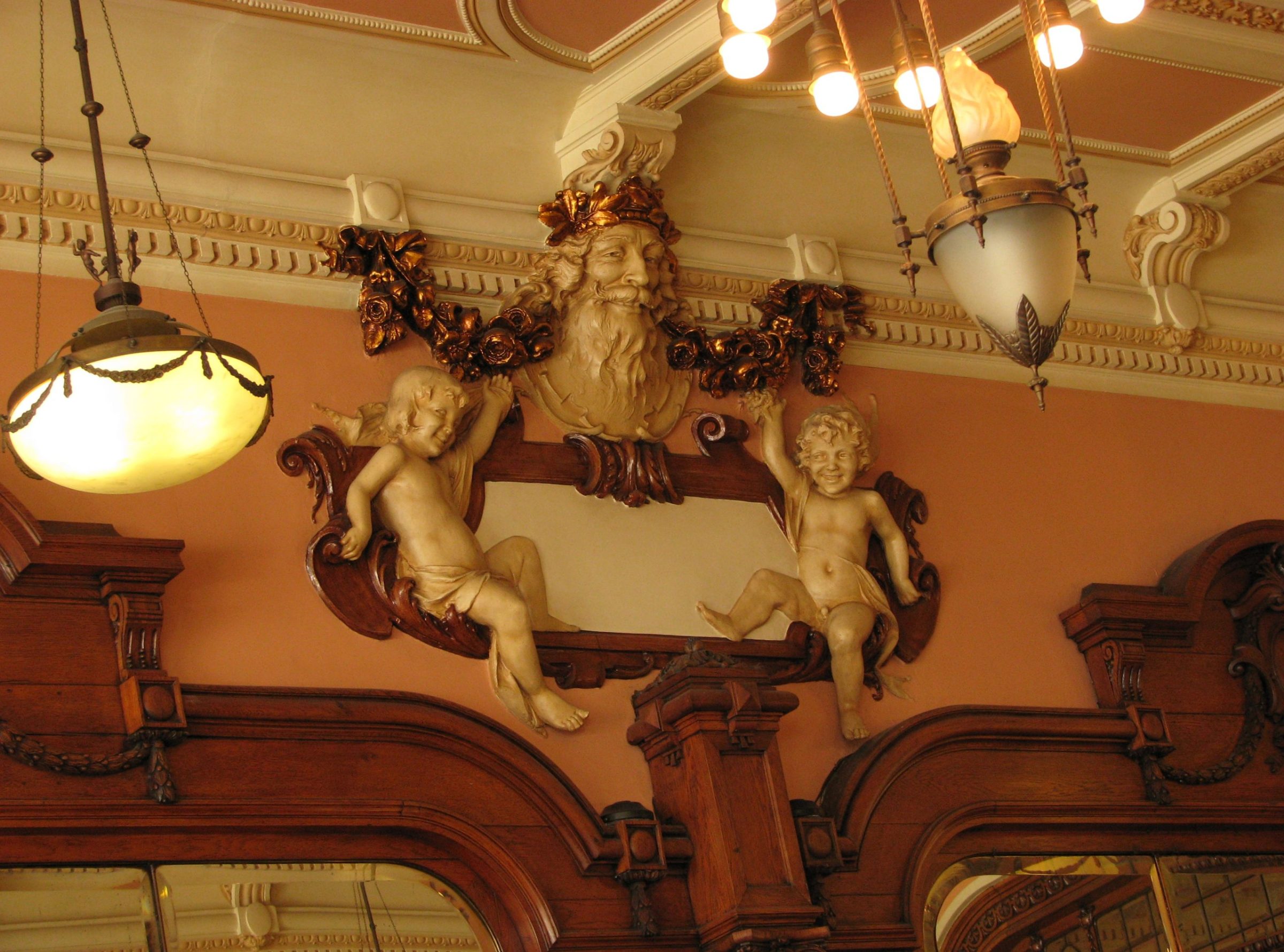
The carved interior of the Majestic Café. Photo: Davitof, CC BY-SA 3.0
Rain is part of a Porto winter, but the city has more than enough under cover to fill a wet day. The trick is to plan loosely, keep an indoor option in your pocket for every outing, and treat a downpour as an excuse for a long lunch.
Rainy Day Ideas in Porto
- Take a tour and tasting at a port lodge in Gaia
- Spend a morning in the Serralves contemporary art museum
- See the gilded Arab Room at the Palácio da Bolsa
- Have coffee and cake at the Majestic Café on Rua de Santa Catarina
- Browse the stalls at the restored Mercado do Bolhão
- Spend an evening at a fado house
When The Sun Comes Out
- Walk across the upper deck of the Dom Luís I bridge
- Watch the light change from the Serra do Pilar viewpoint
- Take the tram along the river to Foz for Atlantic waves
- Wander the lanes of Ribeira after the rain
- Climb the Clérigos tower for the view across the rooftops
- Spend an afternoon in the gardens of the Palácio de Cristal
Fado is one of the best things to do on a winter night. The small, candlelit rooms where it is performed feel even more intimate when it is raining outside, and a meal with live music can easily fill an evening. Our guide to fado venues in Porto lists the places we recommend to guests.
Why a Private Villa Is the Best Place to Stay in Porto in Winter
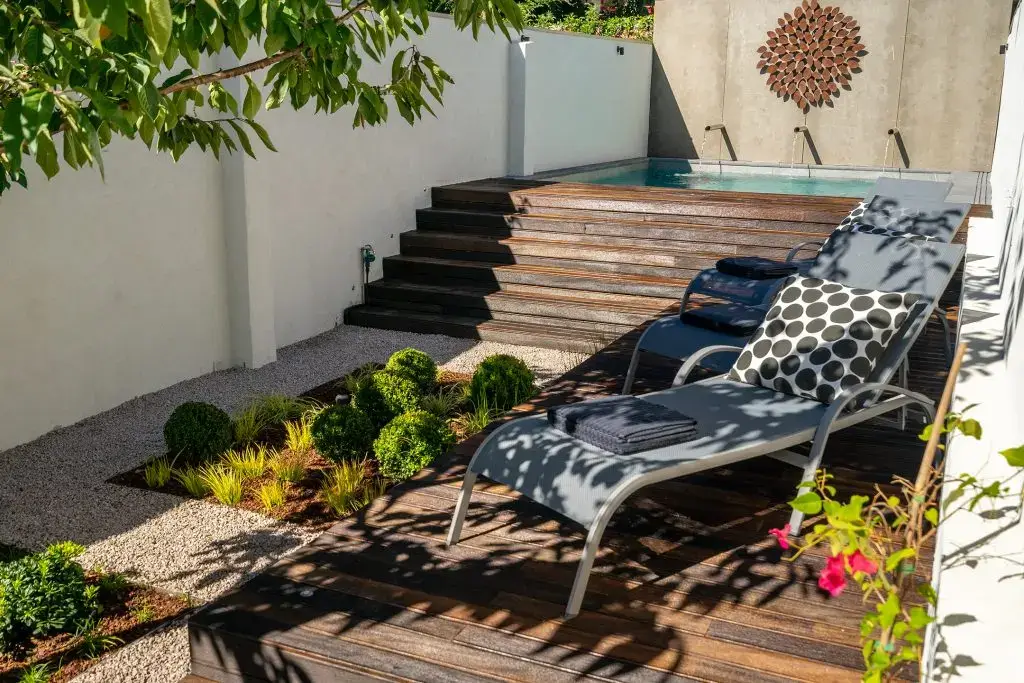
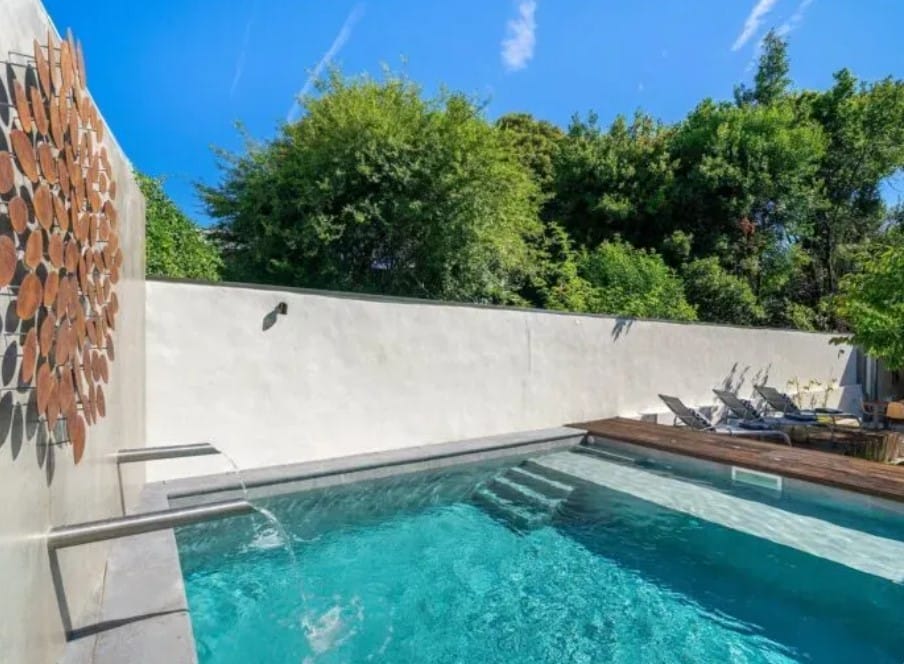
The private pool at Villa Almada, which can be heated on request.
A swim in your own heated pool after a day in the city: check dates at Villa Almada.
Winter changes what you need from a place to stay. In summer you spend almost every waking hour outside; in winter, the place you come back to matters far more. A hotel room is fine for a night, but after a wet afternoon you want somewhere to dry your coats, a kitchen to make tea, and a sofa that is not the end of the bed.
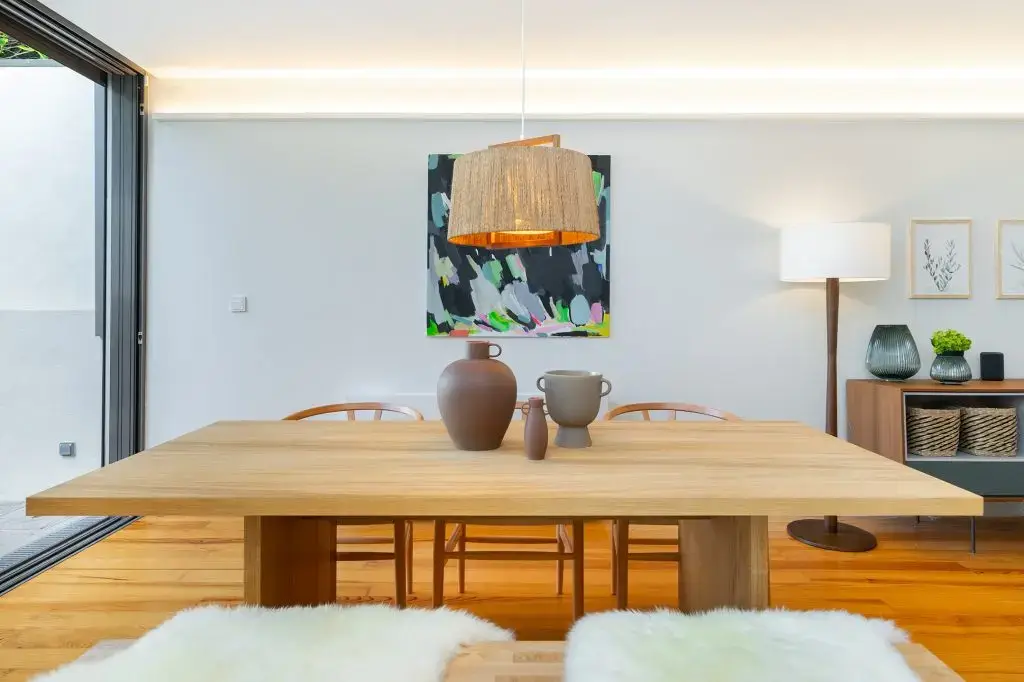
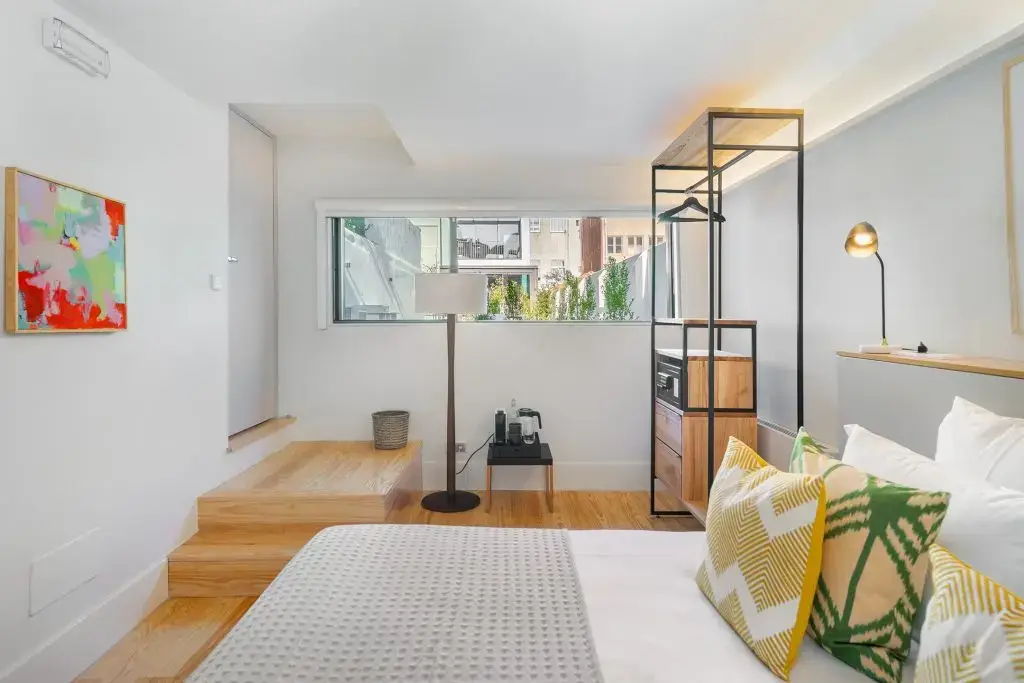
That is exactly what Villa Almada is built for. It is a whole villa in central Porto, set in the garden of our Canto de Luz Maison, with two suites that each have a super king bed and their own bathroom, an open-plan kitchen, living and dining room, and a private terrace, garden and pool. The pool can be heated on request, which turns a grey January afternoon into something to look forward to.
Breakfast is served every morning, either at the villa or in the Maison, and the villa is cleaned daily, so a winter stay feels looked after without losing the privacy of your own home. A washer and dryer take care of rain-soaked clothes, and a smart TV with Netflix, a popcorn machine and Alexa make the evenings in as good as the evenings out. Our winter villa stays page covers the family weeks and longer stays that suit this time of year.
Villa Almada In Winter
- A whole villa for up to 6 guests plus 2 infants
- Private pool, heated on request
- Two suites with super king beds and their own bathrooms
- Daily breakfast and daily cleaning included
- Full kitchen, washer and dryer for wet-weather days
- A short walk from the historic centre and the river
Villa Almada Gallery: Your Winter Base in Central Porto
A private villa with pool, garden and terrace. Swipe to see more.



What to Pack for Porto in Winter
Packing for Porto in winter is about layers and waterproofs rather than heavy coats. Temperatures stay mild, but the damp can make a still, grey day feel cooler than the thermometer suggests, and the city’s cobbles and steep lanes are slippery after rain.
Porto Winter Packing List
- A waterproof jacket with a hood, more useful than an umbrella on windy days
- Shoes with a good grip for wet granite and steep streets
- A warm jumper or fleece for evenings and inside older buildings
- A scarf and light gloves for the riverside after dark
- A swimsuit, if you are staying somewhere with a heated pool
- A compact umbrella for short walks between cafés
Older Porto buildings can feel cool inside, so a warm layer for the evening is worth packing even if the days are mild. At Villa Almada, the suites and living space are kept comfortable, and there is always somewhere to dry wet shoes by the morning.
Is Porto Worth Visiting in Winter? Porto in Winter vs Summer
Yes, and for many people it is the best time to go. Winter brings Porto’s food, wine and atmosphere to the fore, and the city’s best experiences, from port tastings to fado to long lunches, are all at their best when it is cool outside. Summer is the season for beaches and late evenings on the river; winter is the season for the city itself.
| Compare | Porto in winter | Porto in summer |
|---|---|---|
| Weather | Mild, 14 to 17°C by day, with rainy spells | Warm and mostly dry, with sea mist some mornings |
| Best for | Food, port lodges, museums, fado, city walks | Beaches, river cruises, rooftop evenings |
| Festivals | São Martinho, Christmas, New Year’s Eve, Carnival | São João in June, summer music festivals |
| Douro Valley | Autumn colour in November, peaceful quintas | Green vineyards and hot days |
| Ideal stay | 4 to 5 nights, with time for rainy-day plans | 3 to 4 nights, with a beach day |
If you are choosing between winter months, November suits people who want the Douro in autumn colour, December is for the festive season, January for city life and indoor culture, and February for longer days and the first hints of spring.

A Note From Susan
“Some of my favourite days in Porto are winter days. A walk along the river in the morning, lunch that turns into the whole afternoon, and then home to the villa as the lights come on. Ask us to heat the pool before you arrive, and bring a good book for the rainy hours. They are part of the charm of the season.”
Susan, founder of Espais Roca
“Wonderful hotel in a great area. Excellent breakfast, perfect for those who prefer a boutique, personal touch to their stay. We will definitely be back!”
Aimée Vachon · ★★★★★ 5/5 on Google
Porto in Winter: Frequently Asked Questions
What Is The Weather Like In Porto In December?
December in Porto is mild and wet, with average highs of around 14°C and lows of around 7°C. It is the rainiest month of the year, with about 181 mm of rain on average, but showers usually come in spells with bright periods in between.
Is Porto Worth Visiting In Winter?
Yes. Winter is a wonderful time for Porto, with mild days, Christmas lights, New Year celebrations and the port lodges, museums and restaurants at their best. Pack a waterproof and plan a few indoor options, and the rain becomes part of the experience.
Is January A Good Time To Visit Porto?
January is a good time for a city break built around food, wine and culture. It is the coolest month, with average highs just under 14°C, and bright days between the showers give some of the clearest views of the year over the river.
Does It Snow In Porto?
Snow in the city of Porto is very rare, and temperatures seldom drop below freezing. The hills further inland can occasionally see a dusting, but a Porto winter is defined by mild temperatures and rain rather than snow or frost.
How Cold Does Porto Get In Winter?
Not very. Average daytime highs stay between about 14 and 17°C from November to February, and average lows are around 5 to 9°C. The damp can make it feel cooler, so a warm layer and a waterproof jacket are all you need.
Which Is Warmer In Winter, Porto Or Lisbon?
Lisbon is a little warmer and drier in winter, with January highs typically between 14 and 19°C. Porto is slightly cooler and wetter, which is why it is greener, and both cities are mild compared with most of northern Europe.
What Should I Wear In Porto In Winter?
Wear layers: a jumper or fleece, a waterproof jacket with a hood and shoes with good grip for wet cobbles and steep streets. A scarf is useful by the river after dark, and a swimsuit is worth packing if your villa has a heated pool.
Can You Swim At Villa Almada In Winter?
Yes. The private pool at Villa Almada can be heated on request, so you can swim in winter. Let us know before you arrive and we will have it ready, which makes a wet afternoon in the city something to look forward to.
What Is Porto Like In February?
February is the driest of the winter months, with around 111 mm of rain and highs of about 15°C. The days are getting longer, Carnival brings parades to the region, and the Fantasporto film festival takes place in the city in late winter.
Spend This Winter in Porto at Villa Almada
A whole villa with its own pool, heated on request, plus a kitchen and garden in central Porto, a short walk from the old town and the river. Sleeps 6 plus 2 infants, with daily breakfast and daily cleaning included. From €269 a night.
Check Winter AvailabilityPhotography by Tupungato and Peter from Wellesley (CC BY), and Josep Renalias and Davitof (CC BY-SA), via Wikimedia Commons. Climate averages from IPMA, 1981 to 2010.